
Heads of State of Libya: Monarchy, Gaddafi Era, and Post-2011 Transition
Chronological overview of Libya's heads of state since 1951, covering King Idris, Muammar Gaddafi's unusual role, interim councils, rival authorities and the post‑2011 Presidential Councils.
This article summarizes the principal holders of Libya's head‑of‑state functions from independence in 1951 to the contemporary, post‑2011 period. Libya's highest office has changed form several times: a constitutional monarchy (1951–1969), a revolutionary system under Muammar al‑Gaddafi (1969–2011) in which leadership titles were atypical, and a series of transitional and competing institutions since 2011.
Image gallery
10 Images
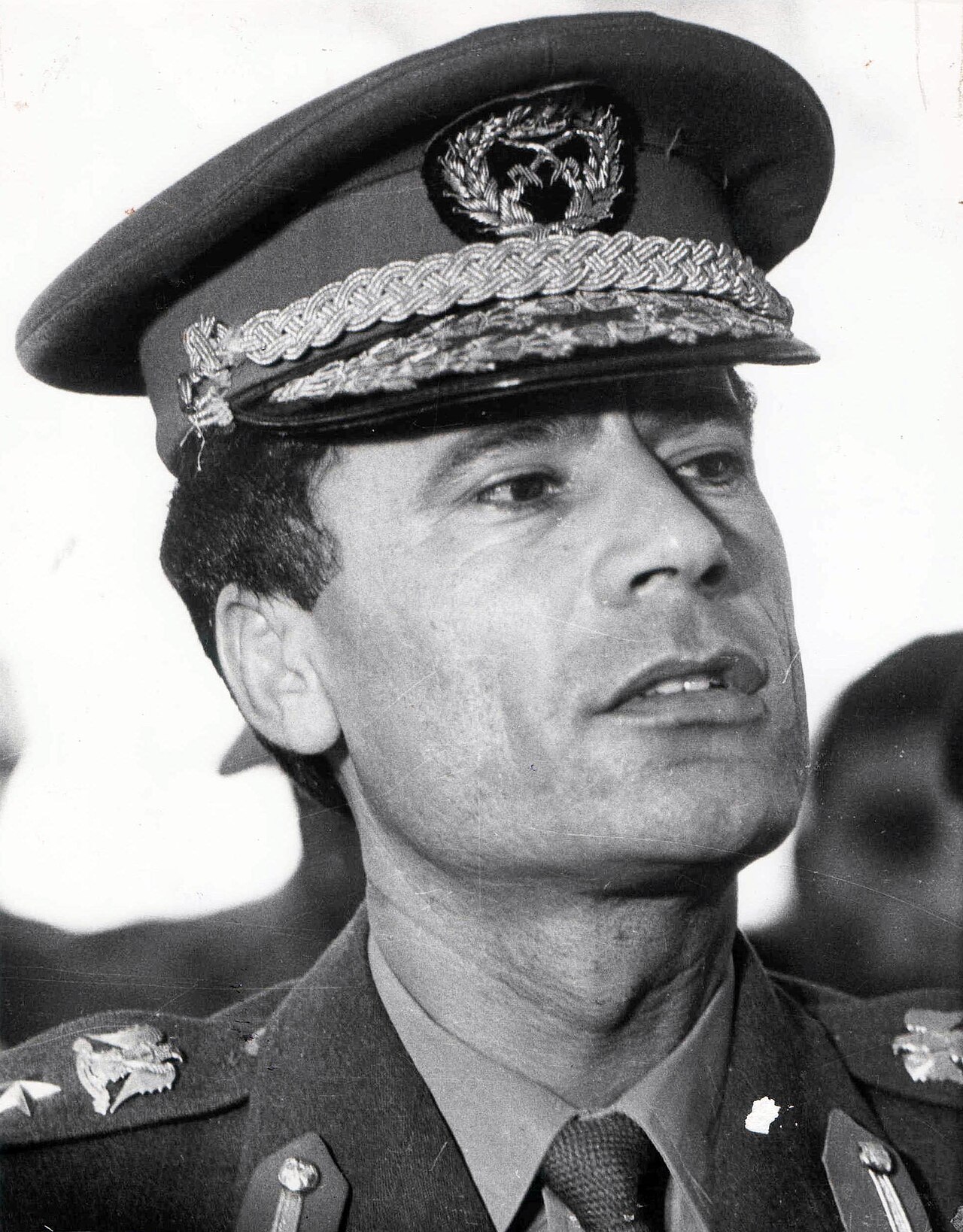


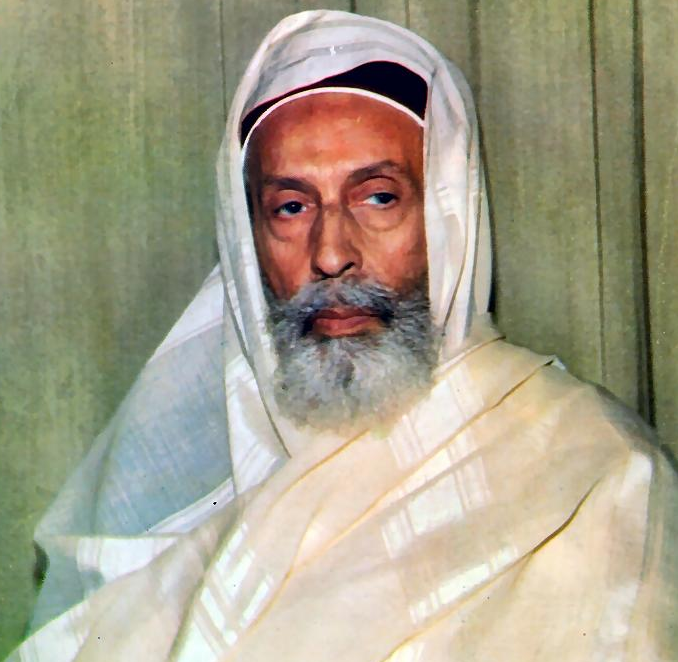


Key periods and characteristics
From 1951 until the 1969 coup, Libya was a kingdom with a sovereign as head of state. After 1969 the state adopted revolutionary institutions and later the "Jamahiriya" model, which downplayed conventional presidential titles and produced a mix of de facto and nominal heads of state. Since the 2011 uprising the country has seen interim councils, rival legislatures and internationally mediated Presidential Councils.
Principal heads of state (selected)
- King Idris I — constitutional monarch at independence (1951–1969).
- Muammar al‑Gaddafi — led the 1969 revolution and ruled Libya from 1969 until 2011; his official titles varied and he functioned as the country's dominant leader rather than a conventional president.
- Mustafa Abdul Jalil — Chairman of the National Transitional Council following the 2011 uprising (2011–2012).
- Mohamed Yousef al‑Magariaf and Nouri Abusahmain — successive presidents of the General National Congress (2012–2014).
- Aguila Saleh Issa — President of the House of Representatives based in Tobruk (from 2014), a leading figure in the eastern-based administration.
- Fayez al‑Sarraj — Chairman of the UN‑backed Presidential Council and head of the Government of National Accord (2016–2021).
- Mohamed al‑Menfi — Chairman of the Presidential Council of the interim Government of National Unity (from 2021).
Distinctions and notable facts
Because Libya's institutions have been reshaped repeatedly, "head of state" can mean different things: a monarch, the chair of a revolutionary council, the nominal speaker of a congress, or the chair of a Presidential Council. Between 2014 and 2021 especially, Libya experienced competing claims to national authority, with parallel administrations in the west and east. International mediation and UN facilitation have been prominent in attempts to unify Libya's leadership.
For a fuller chronological table and links to biographies, consult the dedicated list of Libya's heads of state here. This overview highlights how changes in constitutional form and recurrent conflict have shaped who is recognized domestically and internationally as Libya's head of state.
Author
AlegsaOnline.com Heads of State of Libya: Monarchy, Gaddafi Era, and Post-2011 Transition Leandro Alegsa
URL: https://en.alegsaonline.com/art/141625