
List of heads of state of Albania
Overview and context for Albania's heads of state: titles, historical periods, notable holders and how the office has changed from monarchy and communist rule to the modern presidency.
The heads of state of Albania have held a variety of titles and functions as the country moved from Ottoman rule and short-lived independence through monarchy, republican and communist systems to the present-day parliamentary republic. Today the office is known as the President of Albania; historically the role has also been filled by a prince, a king and collective presidiums or chairmen under different constitutions.
Image gallery
10 Images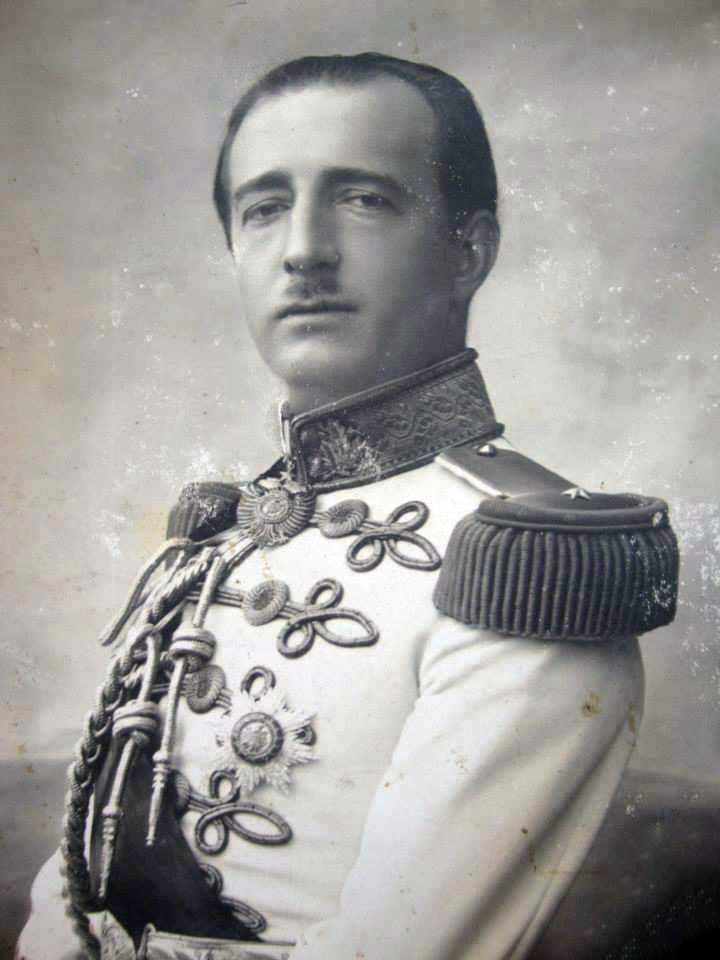


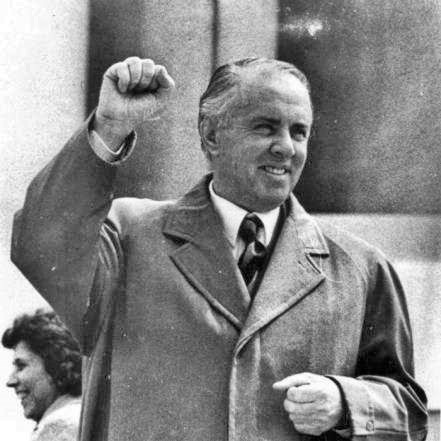
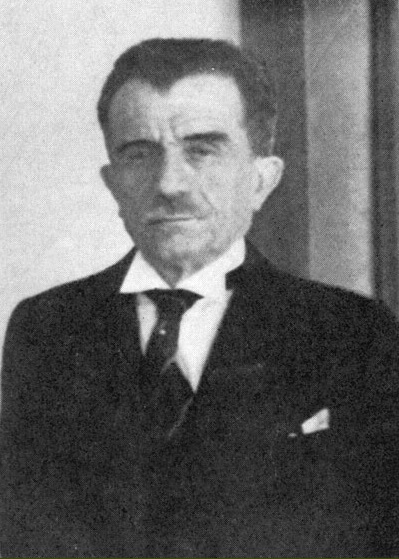


Titles and constitutional role
Depending on the constitution in force, the head of state has been a hereditary monarch, an elected president, or a collective body represented by a chairman. In the contemporary Albanian system the president is the formal head of state with defined constitutional powers such as representing the state internationally, appointing certain officials and promulgating laws, while executive government is led by the prime minister.
Major historical periods
- Early independence and brief principality/monarchy (early 20th century) — sovereign or monarchic title.
- Interwar republic and monarchy — republican institutions then a restored monarchy under a domestic monarch.
- Communist era — collective presidiums and party leadership exercised head-of-state functions.
- Post-1991 democratic republic — the modern presidency within a parliamentary system.
Well-known individuals associated with these changes include the first independence leaders, the short-reigned foreign prince who accepted the crown, the political figure who became Albania’s monarch in the interwar years, and the communist leader who dominated the mid-20th century state. Later, transitional and democratically elected presidents guided the country through post-communist reforms.
Lists of Albania's heads of state are typically presented in chronological order and include acting, interim and de facto holders as well as formal office-holders to reflect constitutional ruptures and regime change. For an official or compiled enumeration see the relevant national list: List of heads of state of Albania.
Understanding this succession illuminates how the office has shifted between symbolic and substantive power, how constitutional design shaped state leadership, and why transitional periods demand careful contextual notes when consulting lists of heads of state.
Author
AlegsaOnline.com List of heads of state of Albania Leandro Alegsa
URL: https://en.alegsaonline.com/art/141623