
List of cities in Colombia
Overview of Colombian cities: administrative structure, major urban centers by region, historical and economic roles, and guidance for finding lists of cities and towns.
This article surveys the cities of Colombia and explains how they are organized and commonly listed. For tabulated or alphabetical compilations see the pages for cities and towns. It describes the difference between urban localities and the municipal units that govern them and highlights notable urban centers by region and function.
Image gallery
10 Images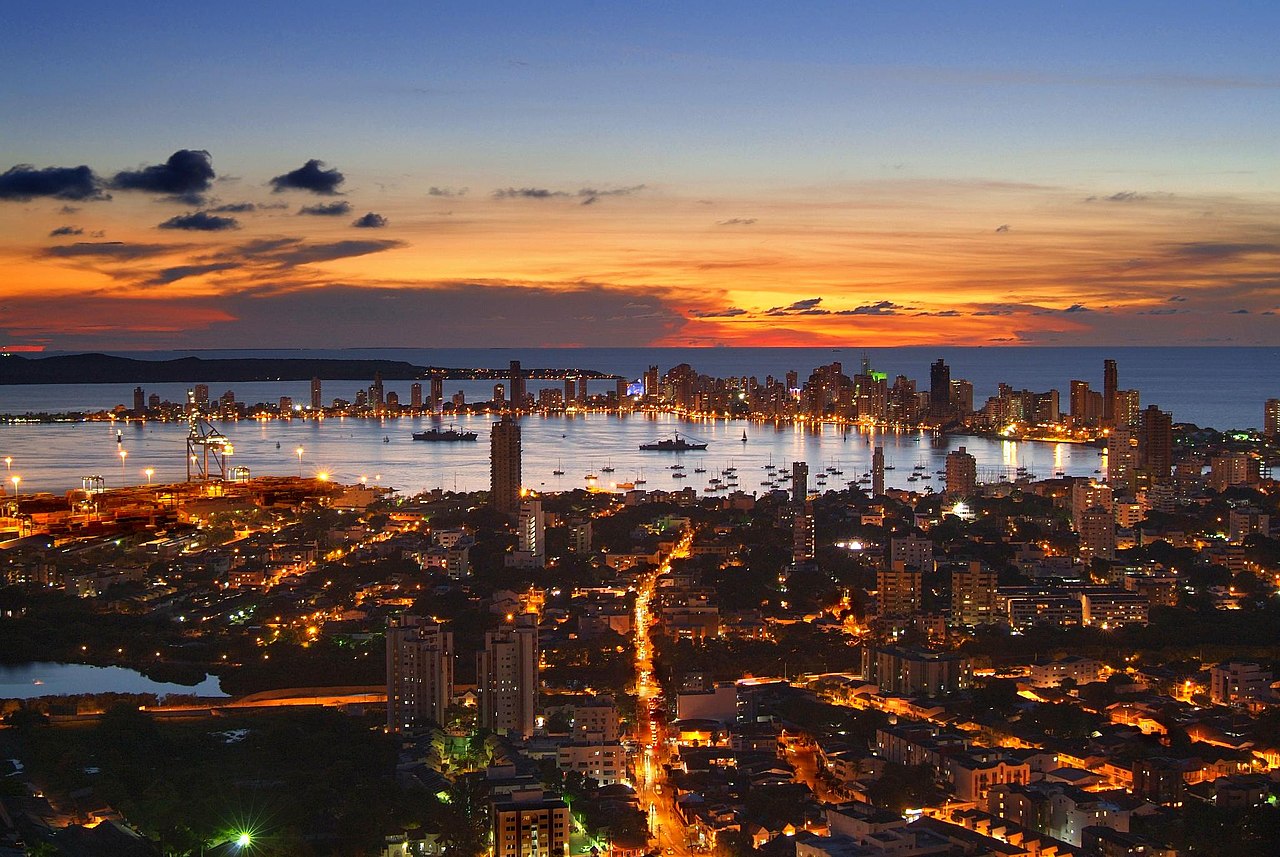



Overview
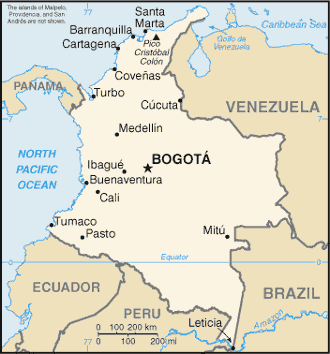
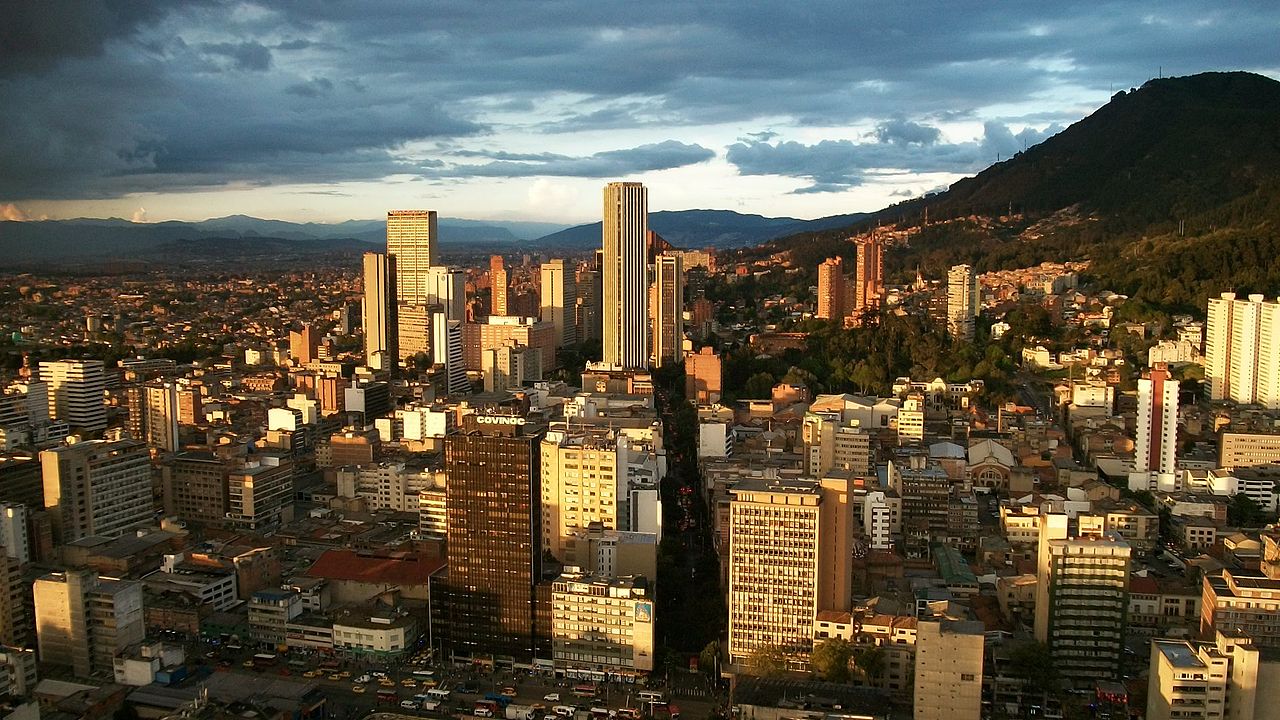
Colombia's urban network includes a handful of very large metropolitan areas and many smaller cities and towns. Bogotá is the national capital and the largest urban centre; other major metropolitan areas include Medellín, Cali, Barranquilla and Cartagena. Cities serve as administrative, economic, cultural and transport hubs for their regions.
Administrative structure and definitions
Colombia is divided into departments; each department contains municipalities, which may encompass a central urban area plus surrounding rural territory. In Spanish usage a distinction is often made between ciudad (city) and pueblo (town), but legally both may be part of the same municipal administration. Bogotá is administered as a Capital District distinct from ordinary departments.
Notable cities and regional roles
- Bogotá — political, cultural and financial capital.
- Medellín — industrial and innovation centre, known for its mild climate.
- Cali — major economic centre and a focal point of Colombian salsa culture.
- Barranquilla and Cartagena — important Caribbean ports; Cartagena is also a colonial walled city and UNESCO World Heritage Site.
- Buenaventura — principal Pacific port; other regional capitals serve surrounding agricultural and mining areas.
Organization of lists and practical uses
Lists of cities may be arranged by population, by department, by geographic region (Andean, Caribbean, Pacific, Orinoquía, Amazon) or by economic function. For compiled inventories and further detail consult the linked lists of cities and towns, which provide names and administrative affiliations useful for research, travel planning and demographic study.
Author
AlegsaOnline.com List of cities in Colombia Leandro Alegsa
URL: https://en.alegsaonline.com/art/141592