
Lieutenant Governor of Texas
The lieutenant governor of Texas is an elected statewide official who presides over the Texas Senate, influences legislative procedure and budgeting, and stands first in gubernatorial succession.
The lieutenant governor of Texas is an elected statewide official who serves as the Senate's presiding officer and as the state's first successor to the governor. Although formally part of the executive branch, the office is best known for its central role in the legislative process, giving the holder substantial influence over lawmaking and state priorities.
Image gallery
10 Images


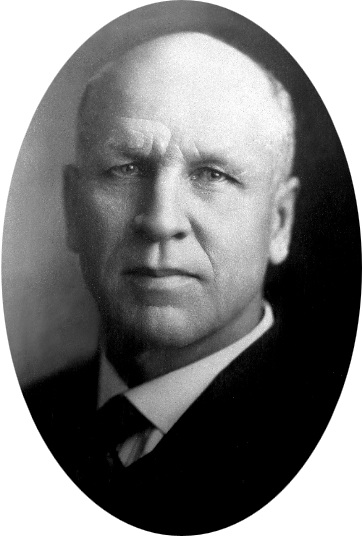
Overview and role
Unlike many states where the lieutenant governor's duties are largely ceremonial, the Texas lieutenant governor has a hands-on role in shaping legislation. The officer presides over the Texas Senate, interprets and enforces procedural rules, assigns bills to committees and determines the Senate calendar. In routine practice the lieutenant governor casts a vote primarily in order to break a tie.
Key powers and responsibilities
- Preside over the Texas Senate and manage floor proceedings.
- Assign senators to committees and name committee chairs.
- Refer bills to appropriate committees and control the order of business.
- Serve on and often chair influential legislative boards and commissions, such as budget-related bodies that shape spending priorities.
- Assume the duties of governor when the governor is out of state, incapacitated, or the office is vacant.
Election, term and succession
The lieutenant governor is chosen by statewide popular vote in partisan elections that are held independently of the governor's race; as a result, the two offices may be occupied by members of different political parties. Historically, the length of the term has changed over time. From the early years of statehood until the 20th century the position carried shorter terms; in the 1970s voters approved extending the term to align more closely with modern gubernatorial cycles. The lieutenant governor is first in the line of succession and becomes acting governor when required.
History and significance
The office dates to the state constitution and has evolved through both statutory changes and the traditions of the legislature. Because much of the lieutenant governor's practical authority comes from the internal rules of the Texas Senate and from positions on key legislative boards, the influence of any individual holder depends on political skill, relationships with legislators, and statewide standing. Observers often describe the Texas lieutenant governorship as unusually powerful compared with similar offices in other states.
Practical importance and notable features
Beyond presiding duties, the lieutenant governor helps set budgetary priorities, influences committee work, and can shape significant policy outcomes. The separate statewide election, procedural control of the Senate, and membership on budget and legislative panels combine to make the office a central node between the executive and legislative branches of Texas government. For more official information, consult state resources or the office's website via official channels.
Author
AlegsaOnline.com Lieutenant Governor of Texas Leandro Alegsa
URL: https://en.alegsaonline.com/art/141485