
Lewis Howard Latimer — Inventor, Draftsman, and Lighting Innovator
Lewis H. Latimer (1848–1928) was an African-American inventor and skilled draftsman who improved electric lighting technology, worked with leading inventors, and documented practical aspects of early electric systems.
Overview
Lewis Howard Latimer (1848–1928) was an African-American engineer, inventor and expert draftsman whose technical skill and practical inventions contributed to the spread of electric lighting in the late 19th century. He combined hands-on mechanical experience with ability in technical drawing and patent work, helping translate inventive ideas into commercial products.
Image gallery
2 Images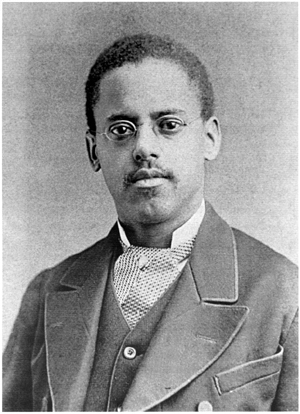

Early life and training
Born to parents who had escaped slavery, Latimer grew up in Massachusetts and served in the Union forces as a young man. He trained as a carpenter and then taught himself mechanical drawing, a skill that led him into patent work and the world of invention. His command of technical illustration opened doors to employment with patent agencies and inventors.
Work as draftsman and patent expert
Latimer prepared precise patent drawings and technical specifications for a variety of inventors and firms. His facility with drafting made him a trusted contributor to the patenting process — translating ideas into the legal and manufacturing documents necessary to protect and build new devices.
Contributions to electric lighting
Latimer is best known for practical improvements to incandescent lighting. He developed methods for manufacturing and mounting carbon filaments that made bulbs longer-lived and less expensive to produce, and he secured patents for those processes. He also wrote and illustrated technical explanations of electric lighting that helped engineers, investors, and the public understand how systems worked.
Legacy and significance
Latimer’s combination of inventive work, artistic drafting, and technical writing placed him at the center of early electrical innovation. He worked alongside or for prominent figures in telecommunications and electric light, and his inventions eased the path to wider adoption of incandescent lighting. Today he is remembered both for specific technical advances and for breaking professional barriers as an African-American engineer in a formative era of technology.
Author
AlegsaOnline.com Lewis Howard Latimer — Inventor, Draftsman, and Lighting Innovator Leandro Alegsa
URL: https://en.alegsaonline.com/art/141436