
Krishna Janmashtami
Krishna Janmashtami (also Gokulashtami) is the Hindu festival celebrating the birth of Krishna. Observed in August–September, it features fasting, midnight vigils, devotional drama, regional customs like Dahi Handi and Nandotsav.
Overview
Krishna Janmashtami, often shortened to Janmashtami or called Gokulashtami, commemorates the birth of Krishna, widely revered as the eighth avatar of Vishnu. Devotees observe the festival according to the lunar Hindu calendar, and it commonly falls in August or September. The birth is traditionally remembered at midnight, the hour when many communities hold special worship and song. The festival combines personal devotion, temple liturgy and public cultural performances centred on episodes from Krishna's early life.
Image gallery
10 Images




Date and timing
The date of Janmashtami is determined by the lunar tithi (ashtami, the eighth day) in the waning fortnight (Krishna Paksha) of the Hindu month that corresponds to late summer. Different regional calendars and local customs may place the observance in either the month of Shraavana or Bhadrapada depending on rules used to reckon the month. Because it is set by the moon, the exact Gregorian date changes each year and local religious authorities publish the timings for the fast and midnight puja.
Rituals and observances
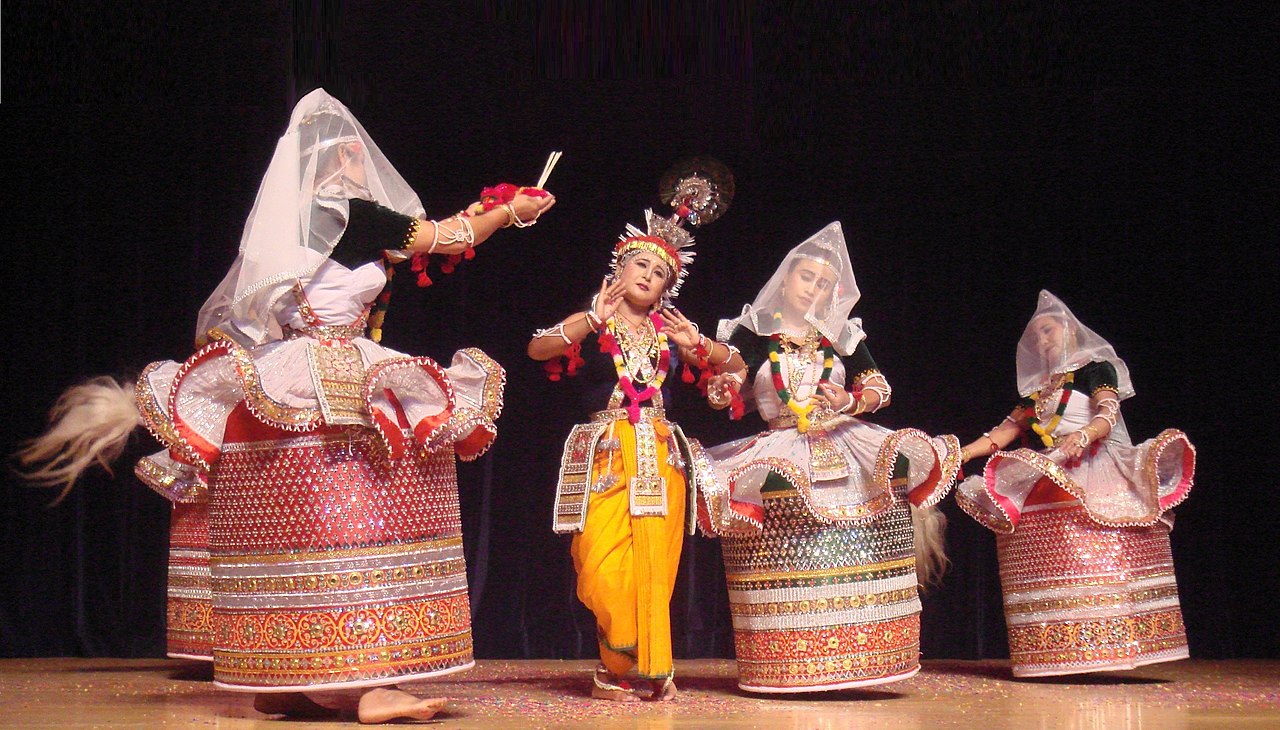
Practices vary, but common elements include fasting (upavasa) by individuals and families, a night-long vigil (ratri jagaran), recitation of sacred texts, devotional singing (bhajans) and the midnight puja marking Krishna's birth. Images and small baby Krishna icons are given ceremonial baths (abhisheka), dressed and placed in cradles; devotees offer sweets, butter and other prasadam. Devotional dances and dramatic enactments of Krishna's life known as Krishna Lila or Rasa Lila are especially popular in many regions.
Regional variations and cultural expressions
Across India and the wider diaspora, Janmashtami takes diverse forms. In North India and the Braj region (around Mathura and Vrindavan) temple rituals, processions and enactments of Krishna's childhood are elaborate. In western India, notably Maharashtra, the Dahi Handi tradition features groups forming human pyramids to break a pot of curd suspended high above the ground, recalling Krishna's fondness for butter. Community feasts, public plays, and children's performances are common, and the day after Janmashtami many places celebrate Nandotsav, commemorating Nanda—the foster father of Krishna—distributing gifts to villagers in joy at the birth.
Scriptural background and significance
The festival draws its narratives from devotional and Puranic texts, especially the Bhagavata Purana and other classical sources that recount Krishna's miraculous birth, childhood pastimes and later teachings. For devotees, Janmashtami is a celebration of divine lila (play), loving devotion (bhakti), the presence of the divine in the world, and the moral themes associated with Krishna's life. Midnight worship symbolizes the arrival of the divine into a troubled world and invites intimate devotional response.
Modern observance and global reach
Janmashtami is observed by Hindu communities worldwide. Temples, cultural organizations and faith groups—both traditional and modern movements such as ISKCON—stage midnight ceremonies, public dramas, and educational programmes about Krishna's life and teachings. The festival adapts to contemporary contexts while preserving core rituals: fasting, singing, scriptural recitation and community meals. For local timings and rules of observance, devotees consult regional religious calendars and authorities and resources on the Hindu calendar.
Practical notes for visitors and participants
- Participating in a midnight puja is a common way to observe the festival in temples and community centres.
- Fasting practices vary; some observe a strict fast until midnight, others take fruit or water and break the fast after the puja.
- Many events include offerings of sweets and milk products; plain respectful dress and awareness of local customs are advisable for visitors.
Further cultural links
Janmashtami connects religious devotion, classical and folk performing arts, and regional festal customs. The festival fosters communal bonds through shared rituals and charity, and remains one of the most widely celebrated occasions in Vaishnavism and Hindu popular practice. For those seeking to learn more about Krishna and related traditions, see references to Krishna in devotional literature and reputable resources on the festival and its observance.
Author
AlegsaOnline.com Krishna Janmashtami Leandro Alegsa
URL: https://en.alegsaonline.com/art/141046