
Kavalam Narayana Panicker: Malayalam playwright, director and theatre innovator
Overview of Kavalam Narayana Panicker (1928–2016), his theatre style, major plays and adaptations, Sopanam and Bhashabharati, awards, and his influence on modern Malayalam theatre.
Overview
Kavalam Narayana Panicker (28 April 1928 – 26 June 2016) was a prominent Indian dramatist, theatre director and poet working primarily in the Malayalam language. He wrote more than two dozen plays and became widely known for reinterpreting classical Sanskrit drama and Western works for the stage in a language and idiom rooted in Kerala's performing traditions. Panicker also led several institutional initiatives to promote performance practice and training in his region, and received national recognition for his contributions to Indian theatre.
Image gallery
6 Images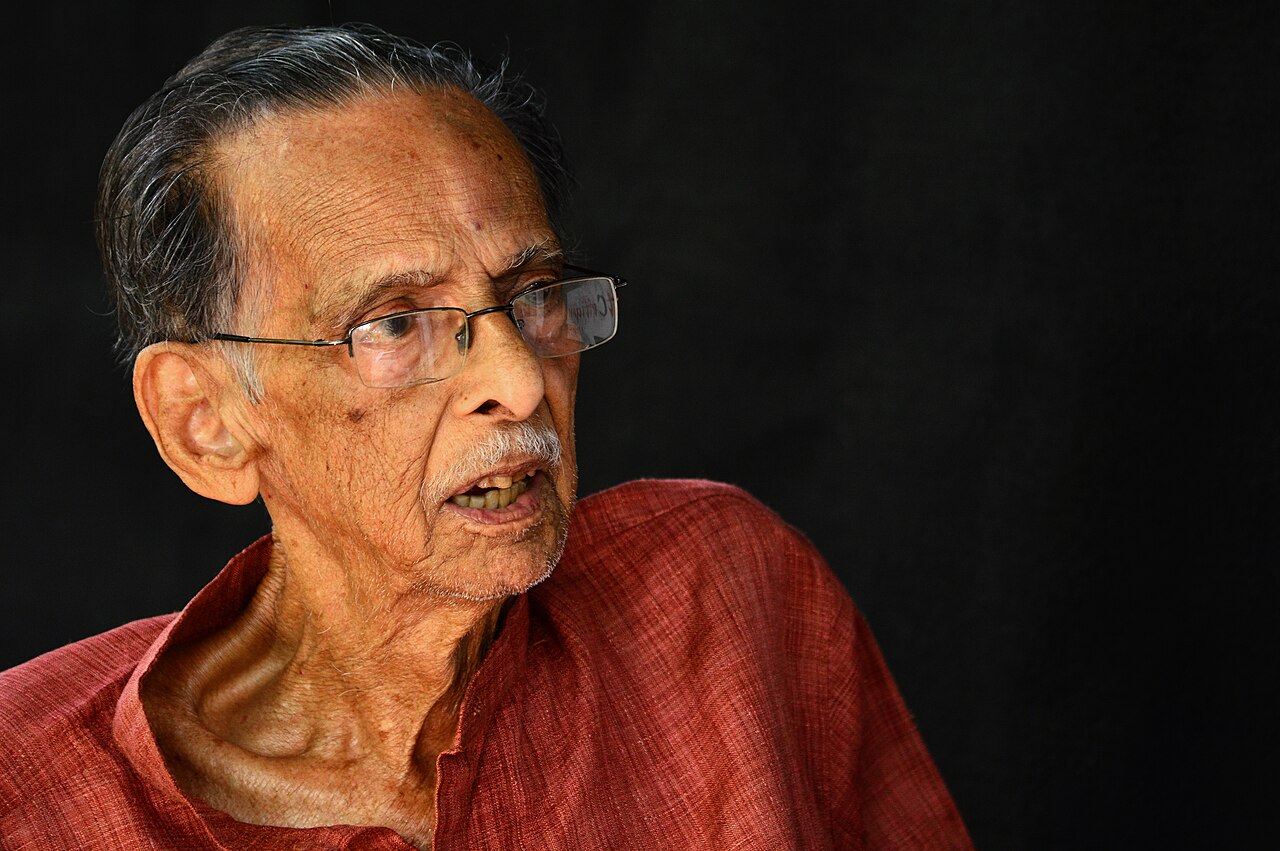


Artistic approach and characteristics
Panicker's productions combined classical texts with a contemporary theatrical sensibility. Rather than producing literal translations, he adapted source material into Malayalam while retaining the spirit of the originals. His work is often noted for:
- an emphasis on rhythm and lyricism in the spoken text, drawing on local meters and poetic forms;
- integration of traditional music, percussion and folk song, creating a close relation between spoken word and musical pulse;
- use of ritualized movement and ensemble choreography rather than individual star turns, placing the group at the core of stage action;
- simple, often symbolic stagecraft that relies on lighting, gesture and vocal texture more than elaborate scenery;
- reinterpretation of classical narratives to highlight moral, human and communal themes resonant for contemporary audiences.
Major plays and adaptations
Across a career that produced over twenty-six Malayalam plays, Panicker adapted works from Sanskrit playwrights such as Kalidasa and Bhasa, as well as drawing on Shakespearean and other sources. Notable productions include:
- Madhyamavyayogam (1979) – an adaptation of a classical episode with renewed musical and dramatic framing;
- Vikramorvasiyam (1981, revived 1996) – Kalidasa's play reworked for a Kerala stage idiom;
- Shakuntalam (1982) – another Kalidasa adaptation emphasizing lyrical narration;
- Karnabharam (1984, revived 2001) – a concentrated, intense staging of Bhasa's work;
- Uru Bhangam (1988) and adaptations of Swapnavasavadattam and Dootavakyam (1996) attributed to the classical repertoire.
Institutions and practice
Panicker founded and directed the theatre troupe Sopanam, which became a laboratory for his compositional methods and collective rehearsal practices. From Sopanam grew Bhashabharati: Centre for Performing Arts, Training and Research in Thiruvananthapuram, an organization aimed at training performers, documenting local forms and supporting research into performance traditions. Through these institutions he sought to sustain a living connection between traditional Kerala arts and modern stage practice.
Awards, influence and legacy
Panicker's work won important national recognition. He received the Sangeet Natak Akademi Award for Direction in 1983 and later the Akademi's highest honor, the Sangeet Natak Akademi Fellowship, as a lifetime achievement award in 2002. Beyond formal honors, his impact is visible in the renewed interest in adapting classical texts for regional theatre, in pedagogies that link music and dramaturgy, and in a generation of practitioners who continue to draw on folk and ritual resources to enrich contemporary performance in Kerala and India.
For further reading on his career and productions see additional resources and profiles. His blend of poetic language, musicality and ensemble work remains a key reference point in modern Indian theatre practice.
Author
AlegsaOnline.com Kavalam Narayana Panicker: Malayalam playwright, director and theatre innovator Leandro Alegsa
URL: https://en.alegsaonline.com/art/140741