
Jerome Kern: Architect of the American Musical
American composer Jerome Kern (1885–1945) shaped early 20th-century musical theatre and popular song, composing enduring standards and helping to integrate music with dramatic narratives.
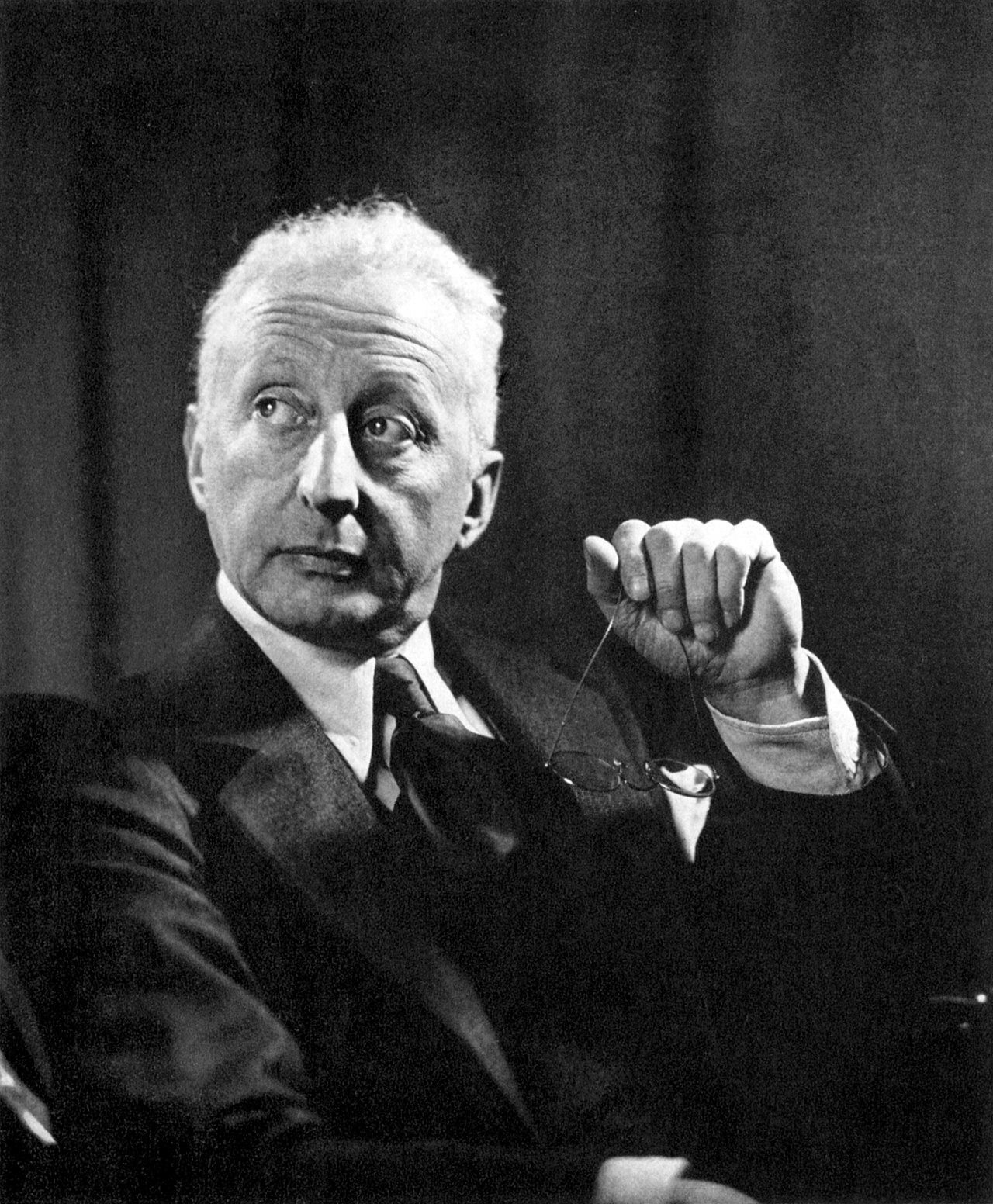
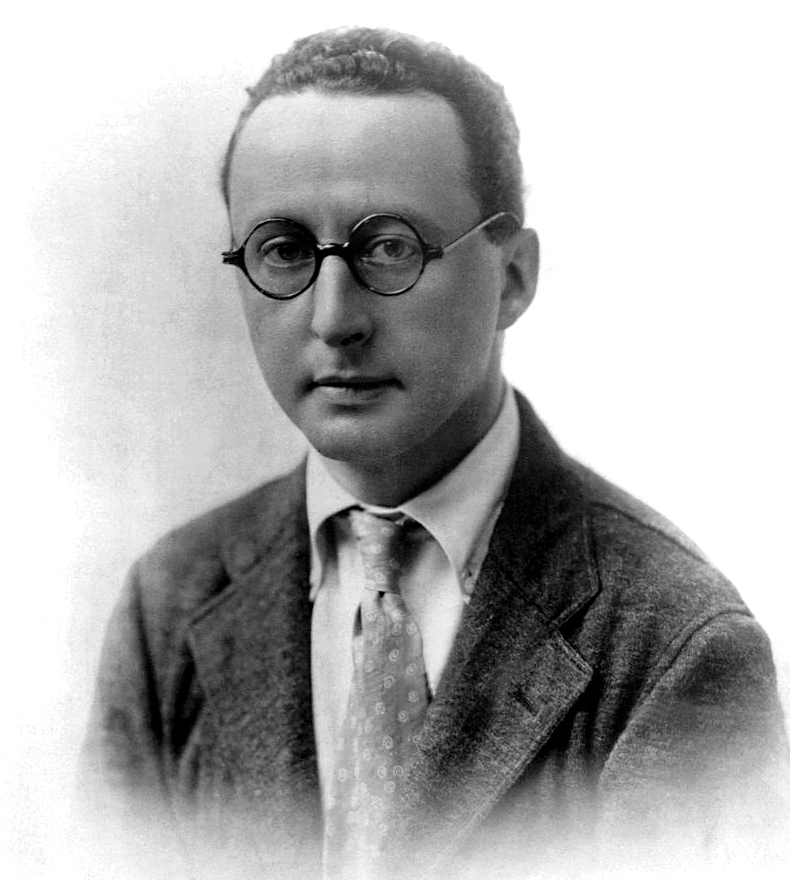
Jerome Kern (January 27, 1885 – November 11, 1945) was an American composer whose work helped define the sound and structure of modern musical theatre. Born and died in New York City, Kern wrote songs and scores for Broadway and Hollywood over several decades. He is widely regarded as a central figure in the transition from variety-driven shows toward musicals in which songs advance character and plot.
Image gallery
10 Images




Musical style and contributions
Kern combined memorable melodies with harmonies and structures drawn from both European art music and American popular idioms. Rather than treating tunes as isolated attractions, he sought to shape songs so they felt organic to a play's story. This emphasis on integration—matching music and lyrics to dramatic needs—was an important step toward the modern American musical. Kern also wrote pieces that became part of the standard popular repertoire and were later embraced by jazz performers and interpreters.
Notable works
Across his career Kern produced many songs and full scores that have endured. Highlights include show scores, film numbers and individual songs that entered the standard repertoire:
- Show Boat (1927) — a landmark musical that addressed serious themes and included songs such as "Ol' Man River" and "Can't Help Lovin' Dat Man."
- Roberta (1933) — contains "Smoke Gets in Your Eyes," a popular classic.
- Film and stage songs like "The Way You Look Tonight" (Academy Award winner) and "All the Things You Are," both widely recorded and performed.
Kern frequently collaborated with noted lyricists such as Oscar Hammerstein II, Dorothy Fields, Otto Harbach, and P. G. Wodehouse, forming partnerships that shaped both individual songs and complete shows.
During the 1930s and 1940s Kern's music reached a broad audience through recordings and motion pictures. "The Way You Look Tonight" won an Academy Award for Best Original Song, helping to cement Kern's place in both popular and film music history.
Legacy and influence: Jerome Kern is often called a founder of the American musical theatre tradition because of his insistence that music be integrated with dramatic action and character. His melodies continue to be performed in concert halls, revivals, jazz standards, and educational settings. Kern's work influenced composers who followed and remains a touchstone for those studying the development of American popular song and stagecraft.
Questions and answers
Q: Who was Jerome Kern?
A: Jerome Kern was an American songwriter.
Q: When was Jerome Kern born?
A: Jerome Kern was born on January 27, 1885.
Q: When did Jerome Kern die?
A: Jerome Kern died on November 11, 1945.
Q: How old was Jerome Kern when he died?
A: Jerome Kern was 60 years old when he died.
Q: Why is Jerome Kern called the father of American musical theater?
A: Jerome Kern is often called the father of American musical theater because he gave artistic importance to American popular music for the first time and led the development of the first truly American theater music.
Q: What is Jerome Kern remembered for?
A: Jerome Kern is remembered for the hundreds of songs he wrote for musical plays and movies.
Q: What do music historians say about Jerome Kern's impact on American popular music?
A: Music historians say that Jerome Kern gave artistic importance to American popular music for the first time and led the development of the first truly American theater music.
Author
AlegsaOnline.com Jerome Kern: Architect of the American Musical Leandro Alegsa
URL: https://en.alegsaonline.com/art/140391