
J. D. Tippit
Jefferson Davis "J. D." Tippit was a Dallas police officer killed on November 22, 1963. His shooting, on the same day as President John F. Kennedy's assassination, tied the local murder to the larger national tragedy.
Overview
Taken in the course of his duties on November 22, 1963, Jefferson Davis "J. D." Tippit was a patrol officer for the Dallas Police Department whose death became inseparable from the assassination of President John F. Kennedy. Tippit's killing occurred within hours of the presidential shooting and played a central role in the subsequent arrest and criminal case against Lee Harvey Oswald.
Image gallery
10 Images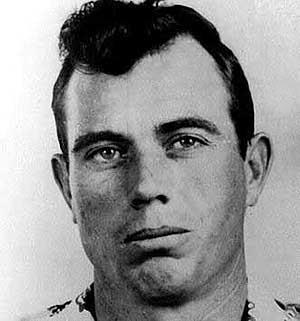




Career and background
Tippit served as a uniformed patrolman in Dallas. He was a local law-enforcement officer known to the community for routine street work and neighborhood patrols. Like many officers of his era, he balanced public duties with family life in the Dallas area.
Circumstances of the shooting
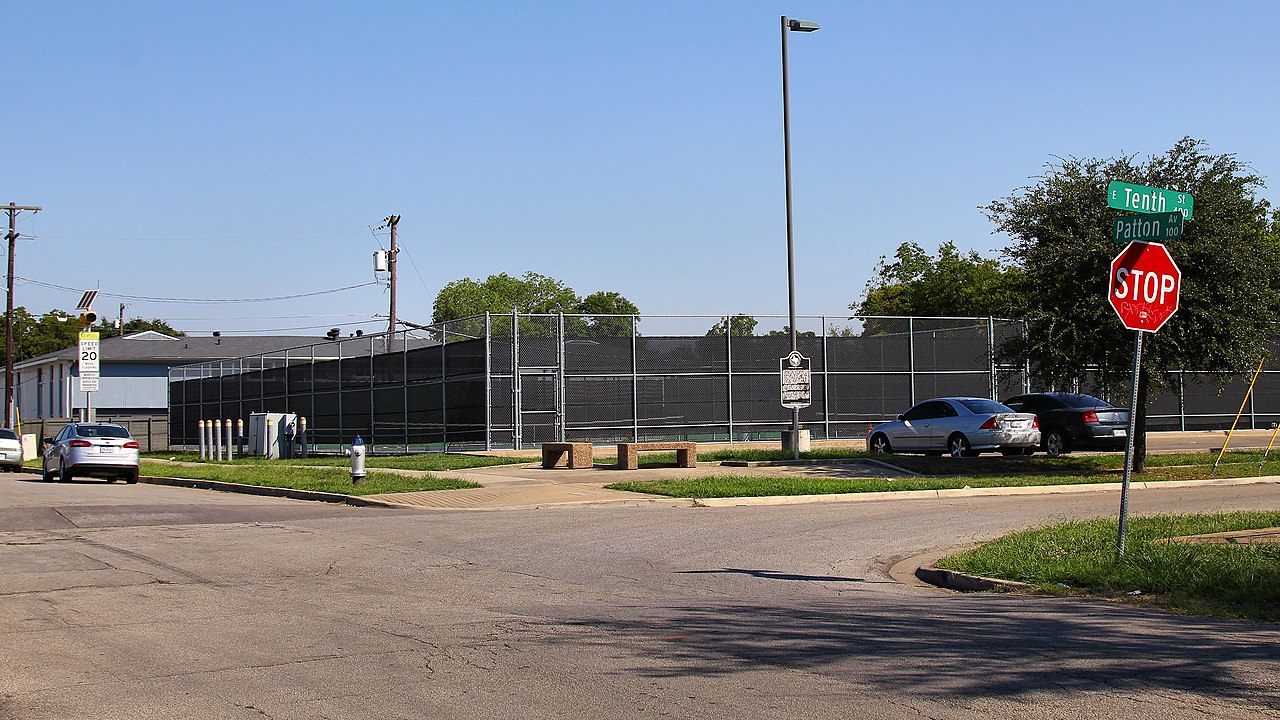
On the afternoon of November 22, Tippit stopped in the Oak Cliff neighborhood while on patrol. He was shot and killed during that encounter. Several civilians reported observing a man flee the scene, and the description they provided contributed to later developments in the case. The fatal shooting occurred a short time after President Kennedy had been shot in downtown Dallas.
Investigation and legal aftermath
Lee Harvey Oswald was arrested later that day and charged with the assassination of President Kennedy and, separately, with the murder of Officer Tippit. The linkage between the two crimes—through witness testimony, timing, and investigative evidence—was a focus of local and federal inquiries. Before Oswald could be tried for either killing, he was shot and killed by nightclub operator Jack Ruby while in police custody.
Significance and public response
Tippit's death deepened the shock felt in Dallas and across the United States and became part of official inquiries into the presidential assassination, including the Warren Commission's investigation. His killing has also been discussed extensively in accounts and analyses of that day, and it is frequently cited in debates over the sequence of events and the identity of those responsible.
Legacy
Officer Tippit is remembered by colleagues, family, and the community as an officer killed on duty. Memorials, remembrances and references in historical treatments of the 1963 events preserve his name in accounts of one of the most scrutinized days in modern American history.
Author
AlegsaOnline.com J. D. Tippit Leandro Alegsa
URL: https://en.alegsaonline.com/art/140152