
Ismail Petra of Kelantan
Sultan Ismail Petra (1949–2019) was the hereditary ruler of Kelantan, Malaysia, from 1979 to 2010. His reign ended following prolonged illness and succession by his son, Tengku Muhammad Faris Petra (Sultan Muhammad V).
Overview
Sultan Ismail Petra ibni Almarhum Sultan Yahya Petra (11 November 1949 – 28 September 2019) served as the Sultan of the north-eastern Malaysian state of Kelantan from 30 March 1979 until 13 September 2010. As hereditary monarch he occupied a constitutional and ceremonial role within the state's Malay and Islamic institutions, continuing a royal lineage that included his father, Sultan Yahya Petra.
Image gallery
1 Image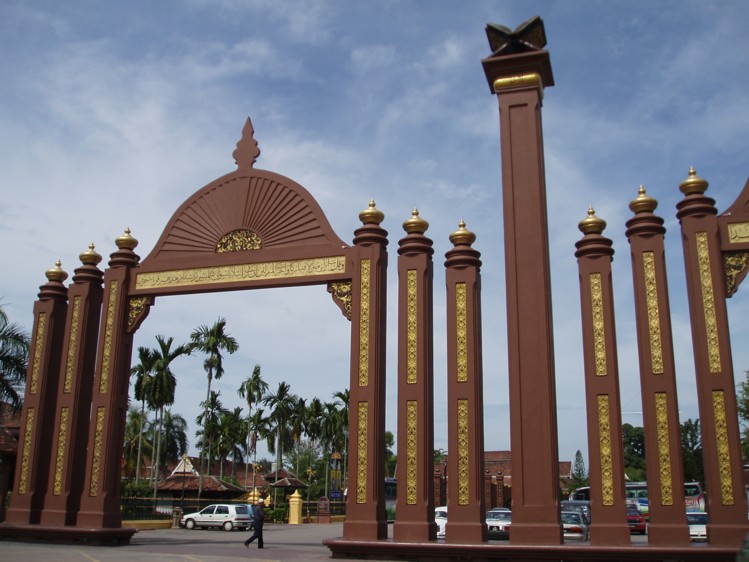
Key dates
- Born: 11 November 1949
- Accession: 30 March 1979
- End of reign / succession: 13 September 2010
- Died: 28 September 2019
Reign and role
During his reign Sultan Ismail Petra carried out duties typical of state sultans in Malaysia: presiding over ceremonial events, safeguarding Malay customs and Islam in Kelantan, and acting on the advice of the state government in constitutional matters. His period on the throne covered decades of social and political change in the state, where the palace remains a central symbol of local identity.
Illness and succession
In the years before 2010 the Sultan experienced serious health problems that limited his ability to perform public duties. After a period in which royal functions were exercised on his behalf, succession passed to his eldest son, Tengku Muhammad Faris Petra, who was proclaimed as Sultan Muhammad V. The transition was carried out under the rules and customs governing hereditary succession in the Kelantan royal house and the state's institutions.
Death and legacy
Sultan Ismail Petra died on 28 September 2019 at Raja Perempuan Zainab II Hospital, aged 69. His death marked the close of a reign lasting just over three decades. He is remembered in Kelantan for his role in preserving royal traditions and for his position within a family that continued to play a prominent part in Malaysia's constitutional monarchy; his son later served in the national office of Yang di-Pertuan Agong.
Further reading
For context on the state he ruled and the line of succession, see resources on Kelantan and on his successor, Sultan Muhammad V.
Author
AlegsaOnline.com Ismail Petra of Kelantan Leandro Alegsa
URL: https://en.alegsaonline.com/art/140113