
How to Marry a Millionaire (1953 film)
1953 American romantic comedy directed by Jean Negulesco, featuring Marilyn Monroe, Betty Grable and Lauren Bacall; follows three women who set out to find wealthy husbands. Nominated for an Academy Award.
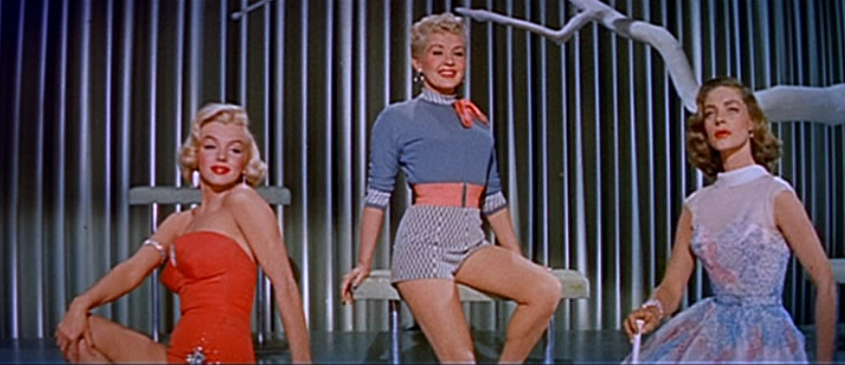
How to Marry a Millionaire is a 1953 American romantic comedy film directed by Jean Negulesco and produced by 20th Century Fox. The picture centers on three attractive young women who pursue strategies to secure wealthy husbands. Its high-profile cast includes Marilyn Monroe, Betty Grable and Lauren Bacall, supported by David Wayne and others. The film is remembered for its glamorous production values and the chemistry among its leading actresses.
Image gallery
5 Images



Premise and themes
The story follows three friends whose shared goal drives the plot: they decide to improve their prospects by attracting wealthy suitors. The screenplay plays the contrasts between romantic aspiration and social reality for laughs, while also touching on themes of independence, friendship and the social importance of marriage in postwar America. The tone remains light and comic, balancing situational gags with moments of sentimental sincerity.
Production and style
Developed by 20th Century Fox, the film was adapted from earlier stage material and shaped to showcase its leading stars. Production emphasized fashion, set design and a polished visual look typical of mainstream studio comedies of the era. Costuming and location choices help convey both the characters' ambitions and the aspirational world they inhabit.
Reception and legacy
Upon release the movie drew attention for its star billing and glossy entertainment value. It received a nomination at the Academy Awards in 1954 and later inspired a television adaptation in 1957. Over time the film has remained notable as an example of 1950s Hollywood comedy, in part because it brought together three major female stars whose screen personas differed markedly, creating an enduring cultural image.
Notable facts
- Release year: 1953; genre: romantic comedy.
- Director: Jean Negulesco; distributor: 20th Century Fox.
- Principal cast includes Marilyn Monroe, Betty Grable and Lauren Bacall.
- Received an Academy Award nomination and inspired a later television series.
The film is often discussed in film history and popular-culture studies for what it reveals about mid-20th-century attitudes toward romance, wealth and female agency, and it continues to attract viewers interested in classic Hollywood stars and studio-era comedies.
Author
AlegsaOnline.com How to Marry a Millionaire (1953 film) Leandro Alegsa
URL: https://en.alegsaonline.com/art/139878