
Greensville County, Virginia
Greensville County is a rural jurisdiction in southeastern Virginia. Established in the 18th century, it is known for its small population, agricultural landscape, and the independent city of Emporia serving as its county seat.
Overview
Greensville County is a county unit in the U.S. state of Virginia. According to the 2010 census, about 12,243 people lived there. The county seat is the independent city of Emporia, which serves as the administrative center despite being a separate jurisdiction; the notion of an independent city serving as a county seat is a feature of Virginia's local government structure and is reflected in Greensville's civic arrangements in county records.
Image gallery
1 Image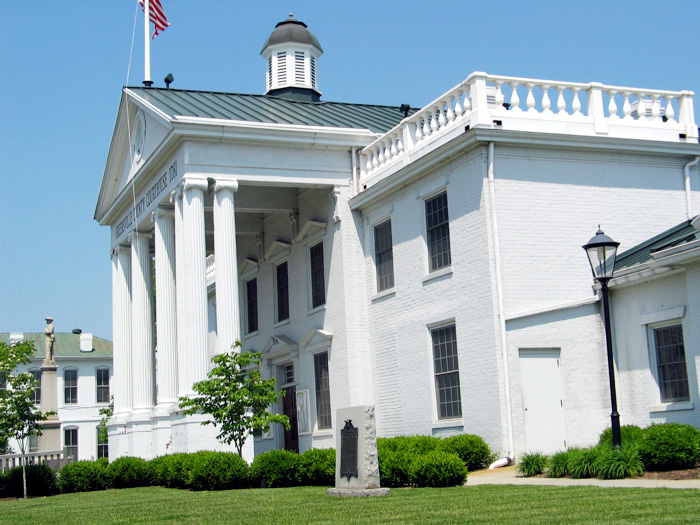
History
Greensville County was created during the Revolutionary era as part of the realignment of Virginia's local governments. It takes its name from General Nathanael Greene, a leading Continental Army commander, and developed historically as a farming and trading area. Over time, small towns and crossroads communities grew around mills, rail lines and later highway intersections.
Geography and economy
Situated in southeastern Virginia near the North Carolina border, Greensville is characterized by low, rolling coastal plain terrain, mixed forests and agricultural land. Rivers and creeks traverse the county, supporting timber and small-scale farming operations. The county's economy is largely rural and diversified across agriculture, forestry, light manufacturing and transportation-related services. Its location along major north–south highways has shaped local commerce and logistics.
Government, services and education
Local government provides typical county services including public safety, road maintenance and land use planning. Public education is delivered by Greensville County Public Schools, with additional educational and workforce resources available regionally. Courts, many county offices and public records are located in Emporia, reflecting the longstanding administrative relationship between the city and county.
Transportation and notable facts
- Major highways that pass near or through the area support freight and passenger travel and help link Greensville to larger urban centers.
- The county is part of the Southside Virginia region, a largely rural area with historical ties to agriculture and early American settlement.
- Greensville's modest population and rural character distinguish it from more densely populated parts of the state, and its partnership with the independent city of Emporia is a recurring point of interest for visitors and researchers.
For more detailed governmental, demographic or historical information, consult local county resources and regional planning organizations. Additional entries and documents can be found through state archives and local historical societies.
Author
AlegsaOnline.com Greensville County, Virginia Leandro Alegsa
URL: https://en.alegsaonline.com/art/139161