
Gomer Pyle, U.S.M.C. — American sitcom and spin-off (1964–1969)
1964–1969 American sitcom starring Jim Nabors as naive Marine Private Gomer Pyle. A five-season, 150-episode spin-off of The Andy Griffith Show, noted for gentle humor, fish-out-of-water premise and enduring syndication.
Overview
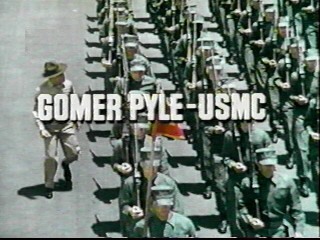
Gomer Pyle, U.S.M.C. is an American television sitcom that aired on CBS from 1964 to 1969. The series ran five seasons and produced 150 episodes. It grew out of a popular character introduced on The Andy Griffith Show and was developed as a standalone program when the character attracted a wide audience. The title character, Gomer Pyle, is portrayed by Jim Nabors, and the series follows his experiences after enlisting in the United States Marine Corps.
Image gallery
6 Images


Premise
The show uses a "fish-out-of-water" premise: a kindhearted, naive small-town man adapts to life in a disciplined military environment. Gomer, originally a mechanic and service-station attendant, becomes a Private First Class and navigates basic training and base routines. The contrast between his gentle Southern manner and the regimented culture of the Marines creates much of the situational comedy while preserving a broadly respectful depiction of military life.
Main characters
The principal relationship is between Gomer and his hard-edged drill instructor, Sergeant Carter, played by Frank Sutton. Sergeant Carter serves as the frequent foil to Gomer's innocence; their exchanges drive many of the show's recurring jokes and dramatic beats. Secondary characters include fellow Marines and base personnel who react to Gomer's antics and often come to appreciate his decency. The series centers on character interaction rather than serialized plot, so episodes are largely self-contained.
Format and style
As a 1960s network sitcom, the program favored family-friendly, broadly accessible comedy. Episodes typically present a misunderstanding or problem that is resolved by the end, often with a moral or conciliatory note. Humor ranges from gentle slapstick to character-based irony, and the series emphasizes themes such as loyalty, kindness, and mutual respect. Rather than satirizing the armed forces, the show generally portrays fellow Marines as competent and humane.
Production and broadcast history
The series was produced by the studio that later became Paramount Television and was filmed for national broadcast. Its five-season run coincided with a strong period for televised comedies on American network television, and the show benefited from steady ratings during its original run. Although the program aired during a time of military conflict overseas, it remained focused on personal and situational stories rather than contemporary geopolitics.
Reception and legacy
Contemporary audiences rewarded the show with consistent viewership, and it played a significant role in establishing Jim Nabors as a national personality. Nabors later pursued a career in music and variety performance, often drawing on the public recognition he gained as Gomer. The series is remembered as a successful example of a spin-off—taking a single popular character from one program and building a new show around him—and it has continued to appear in syndication and retrospectives of classic television comedy.
Episodes and syndication
With 150 episodes produced, the series was well suited for syndication, where its episodic nature allowed broadcasters to show episodes out of sequence without confusing viewers. Reruns introduced the program to later generations and kept its principal characters in the public eye. For detailed episode lists and air dates consult dedicated television guides and reference resources that specialize in broadcast history.
Cultural context
The show occupies a particular place in 1960s American television culture: it combined wholesome comedy with an institutional setting and offered viewers a reassuring, character-driven escape. The gentle tone and episodic resolutions reflect mainstream network values of the period. As a cultural artifact, the series is often discussed alongside other family-oriented comedies and is cited in studies of television spin-offs and the portrayal of military life on the small screen.
Further information and resources
For more on the series and its background, see resources that cover television history, episode guides, and biographies of cast members. Relevant entries include the program overview at series overview, details of its origin as a spin-off, the parent series connection, production studio background at the studio, the original network record, biographical material on Jim Nabors, context about the military setting, rank information such as Private First Class, and profiles of supporting performers including Frank Sutton and the Sergeant role he played.
Research and archives
Readers interested in production credits, guest stars, or contemporary reviews should consult television archives, broadcast histories, and library collections that document 1960s programming. Critical assessments vary, and modern commentators often place the series in the context of its era—noting both its entertainment value and the ways it reflects mid-20th-century television norms.
Selected topics for further reading: spin-offs and character-based series development, depictions of military life in popular culture, and Jim Nabors's subsequent entertainment career. These areas help explain why Gomer Pyle, U.S.M.C. enjoys ongoing interest among students of television history and fans of classic American sitcoms.
Author
AlegsaOnline.com Gomer Pyle, U.S.M.C. — American sitcom and spin-off (1964–1969) Leandro Alegsa
URL: https://en.alegsaonline.com/art/138989