
Gita Sahgal: Writer and Campaigner on Feminism and Fundamentalism
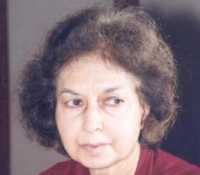
Gita Sahgal (born 1956/57) is a writer and activist focused on women's rights, secularism and the critique of religious fundamentalism. She led Amnesty International's gender unit from 2003 to 2010.
Overview
Gita Sahgal (b. 1956/57) is a writer, researcher and campaigner whose work focuses on gender, secularism and opposition to religious fundamentalism. She has written and spoken widely on the tensions between women’s rights and political or religious movements, and on how human rights organisations respond to those tensions.
Image gallery
4 Images


Background and education
Sahgal was born in Bombay (Mumbai), India, into a family engaged in literature and public life; her mother is the writer Nayantara Sahgal. Raised in a Hindu household, she moved to London in 1972 and pursued studies at the School of Oriental and African Studies. She returned briefly to India in 1977 and settled again in the United Kingdom in 1983, building a career that crosses journalism, research and advocacy.
Career and activism
Over several decades Sahgal has combined writing with campaigning. She has focused on the politics of gender, the role of religion in public life and the threats posed by authoritarian or fundamentalist movements to women’s autonomy. From 2003 until 2010 she was head of the gender unit at Amnesty International, where her remit included integrating women’s rights into broader human rights work and addressing gendered abuses worldwide.
Public interventions and notable disputes
Sahgal is known for outspoken interventions when she believes women’s rights are being compromised. In 2010 she publicly challenged aspects of Amnesty International’s approach to certain individual activists and alliances, arguing that some relationships risked sidelining women’s concerns about religious extremism. Her criticisms prompted an internal dispute at Amnesty and drew broad public attention to the question of how human rights organisations balance different priorities.
Themes and contributions
- Feminism: Sahgal’s work emphasises secular feminist principles and the importance of defending women’s rights independently of wider political agendas; see her commentary on feminism.
- Fundamentalism: She analyses how religious fundamentalist movements affect civil liberties and gender equality; relevant commentary appears under discussions of fundamentalism.
- Human rights practice: She has pressed human rights institutions to be consistent in protecting women and minorities, even when that involves controversial choices.
Significance and perspective
Sahgal’s career illustrates the dilemmas that arise where feminist concerns, secularism and anti-imperial or anti-war politics intersect. Whether through articles, public talks or organisational work, she has sought to keep gender equality central to debates about religion, security and international human rights. Her interventions continue to be cited in discussions about how movements and institutions should respond to extremism while upholding women’s rights.
For further context on the themes she addresses, readers may consult general resources on feminism, the study of fundamentalism and histories of South Asian migration to London.
Questions and answers
Q: What is Gita Sahgal known for?
A: Gita Sahgal is known for her writing on the subjects of feminism and fundamentalism.
Q: What was Gita Sahgal's position at Amnesty International?
A: Gita Sahgal led Amnesty International's gender unit from 2003 to 2010.
Q: Where was Gita Sahgal born?
A: Gita Sahgal was born in Bombay, India.
Q: Who is Gita Sahgal's mother?
A: Gita Sahgal's mother is Nayantara Sahgal, who is also a writer.
Q: What religion was Gita Sahgal raised in?
A: Gita Sahgal was raised as a Hindu.
Q: Where did Gita Sahgal study in London?
A: Gita Sahgal studied at the School of Oriental and African Studies in London.
Q: When did Gita Sahgal move back to England?
A: Gita Sahgal moved back to England in 1983.
Author
AlegsaOnline.com Gita Sahgal: Writer and Campaigner on Feminism and Fundamentalism Leandro Alegsa
URL: https://en.alegsaonline.com/art/138915