
Gastone Moschin — Italian character actor (1929–2017)
Biography of Gastone Moschin, an Italian stage and screen actor known for Don Fanucci in The Godfather Part II and Rambaldo Melandri in the Amici miei films.
Gastone Moschin (8 June 1929 – 4 September 2017) was an Italian actor whose career spanned stage, film and television for more than six decades. Born in San Giovanni Lupatoto in the region of Veneto, Moschin became known for his versatility, moving easily between comic roles and more severe, villainous parts.
Image gallery
5 Images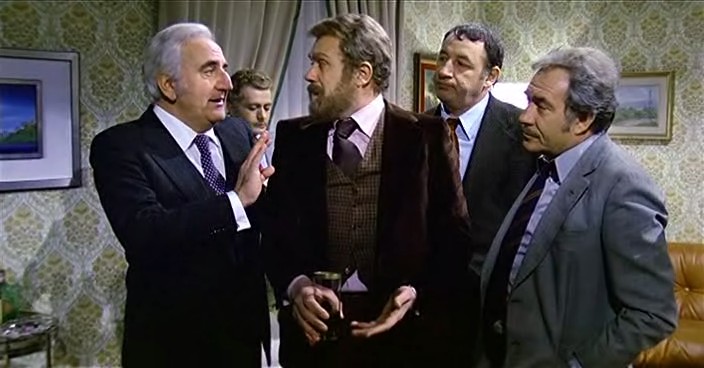



Early life and stage work
Moschin began his professional life in the theatre during the 1950s, developing a reputation as a reliable character actor on Italian stages. His theatrical background informed a naturalistic screen style: attentive to gesture, timing and vocal color. This foundation helped him transition into popular and auteur cinema while maintaining ties to stage work and television dramas.
Film career and notable roles
On film he achieved both national fame and international recognition. He appeared opposite Barbara Bouchet in the crime film Milano calibro 9 (1972) and earned wide popular acclaim for his portrayal of Rambaldo Melandri in Mario Monicelli's comic trilogy Amici miei (the series that ran between 1975 and the mid-1980s). International audiences will most often recognize him as Don Fanucci, a memorable minor but pivotal character in Francis Ford Coppola's Francis Ford Coppola production The Godfather Part II.
Style and legacy
Moschin was prized for his chameleonic abilities: he could be warm and mischievous in comedies, or menacing and reserved in crime dramas. Critics and peers noted his economy of expression — a small look or a brief pause could define a scene. His work influenced later generations of Italian character performers and he remains a reference point in discussions about postwar Italian cinema and commedia all'italiana.
Selected filmography
- Milano calibro 9 (1972) — crime drama
- Amici miei (1975) — comedy, as Rambaldo Melandri
- Amici miei atto II (1982) — sequel
- Amici miei atto III (1985) — continuation
- The Godfather Part II (1974) — as Don Fanucci
Death and later recognition
Gastone Moschin died at his home in Terni, Italy, on 4 September 2017 at age 88. Reports noted that the immediate cause was kidney failure. Obituaries and retrospectives highlighted his long contribution to Italian cinema and theatre and recalled the blend of humour and gravity that defined many of his best performances. For further biographical details and film credits see a dedicated actor profile and archival resources.
Though he was never solely an international star, Moschin's small but striking appearances in major films ensured a lasting presence in the memory of both Italian audiences and world cinema enthusiasts. His body of work offers a useful window into the shifts of Italian film from the 1950s through the 1980s, and into the character traditions that shaped modern screen acting.
Author
AlegsaOnline.com Gastone Moschin — Italian character actor (1929–2017) Leandro Alegsa
URL: https://en.alegsaonline.com/art/138764