
Federation Council (Russia)
Upper chamber of Russia’s Federal Assembly, created by the 1993 Constitution. Represents federal subjects with two delegates each, reviews federal legislation and approves constitutionally significant decisions.
The Federation Council is the upper chamber of the Federal Assembly of the Russian Federation, established by the 1993 Constitution. In Russian it is commonly called Совет Федерации and is sometimes referred to by the literal term Senate. It forms one half of the bicameral parliament together with the State Duma; these bodies together make up the Federal Assembly of the Russian Federation. The body is often described in English as the upper house or upper chamber.
Image gallery
7 Images


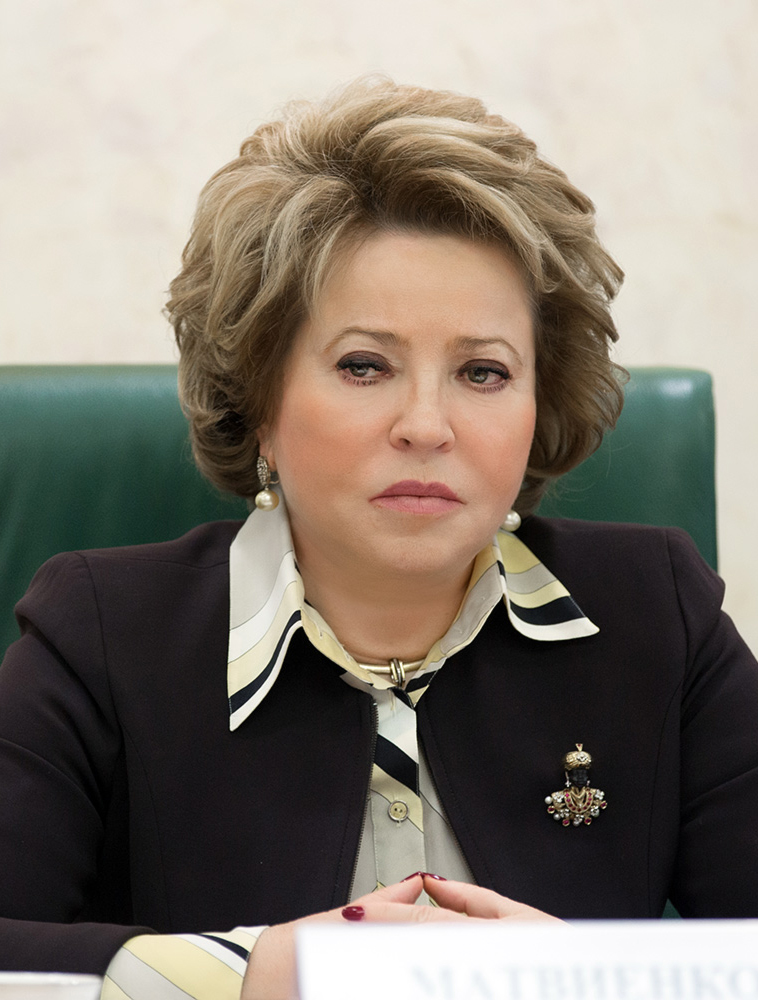

Composition and membership
The Federation Council consists of representatives sent by each of Russia’s federal subjects. Each subject sends two delegates: one representing the regional executive and one representing the regional legislature. Members are appointed or delegated by regional authorities rather than elected in a single nationwide popular ballot. The precise membership and the mechanism of appointment are defined by the constitution and federal laws; in practice the council’s size reflects the number of federal subjects.
Powers and functions
The Council acts primarily as a reviewing and approving body with responsibilities that differ from those of the State Duma. Its constitutional duties include considering federal laws passed by the Duma, approving changes in the borders of federal subjects, authorizing the use of the armed forces outside the country, and taking part in certain constitutional procedures. The chamber also gives consent or takes part in appointment and confirmation procedures for high-level posts as specified by law.
Organization and procedure
The Federation Council is led by a chair and organized into committees and commissions that examine policy areas, prepare opinions and draft amendments. Sessions are normally held in Moscow and conducted under the Council’s internal rules. Because members represent regional authorities rather than political parties directly, the chamber is commonly described as an assembly of regions; in practice many decisions reflect coordination with the federal executive and broader political alignments.
History and development
Created after the collapse of the Soviet Union, the Federation Council replaced earlier upper-chamber models and was intended to give subnational entities a voice in federal decision-making. In the 1990s and 2000s several procedural and legal reforms changed how regional leaders and their representatives participate in the Council. For example, reforms moved away from a system in which some regional governors served ex officio toward a system of appointed delegates, an evolution that affected the chamber’s composition and public profile.
Assessment and public role
The Federation Council plays a decisive role on matters touching the federal structure, national security and constitutional procedure, but it is often less visible to the public than the State Duma. Observers note that its appointment-based membership and institutional relationship with the presidency and regional authorities influence its independence, decision-making style and legislative practice.
Key points
- Represents federal subjects: two delegates per subject.
- Reviews laws passed by the State Duma and approves constitutionally significant acts.
- Members are appointed by regional authorities; terms are linked to the authority that named them.
- Organized into committees; sessions are held in Moscow and are part of the formal legislative process.
For official texts, composition lists and procedural rules consult primary parliamentary sources and government publications, including the Council’s own materials and legislative records available through the Federal Assembly and regional legislatures: see official sources and related documentation.
Author
AlegsaOnline.com Federation Council (Russia) Leandro Alegsa
URL: https://en.alegsaonline.com/art/138343
Sources
- iacis.ru : iacis.ru