
Brazilian Jiu-Jitsu (BJJ)
Brazilian jiu-jitsu, commonly called BJJ, is a grappling-based martial art and combat sport focused on ground fighting, submissions, and using leverage and technique to control larger opponents.
Overview
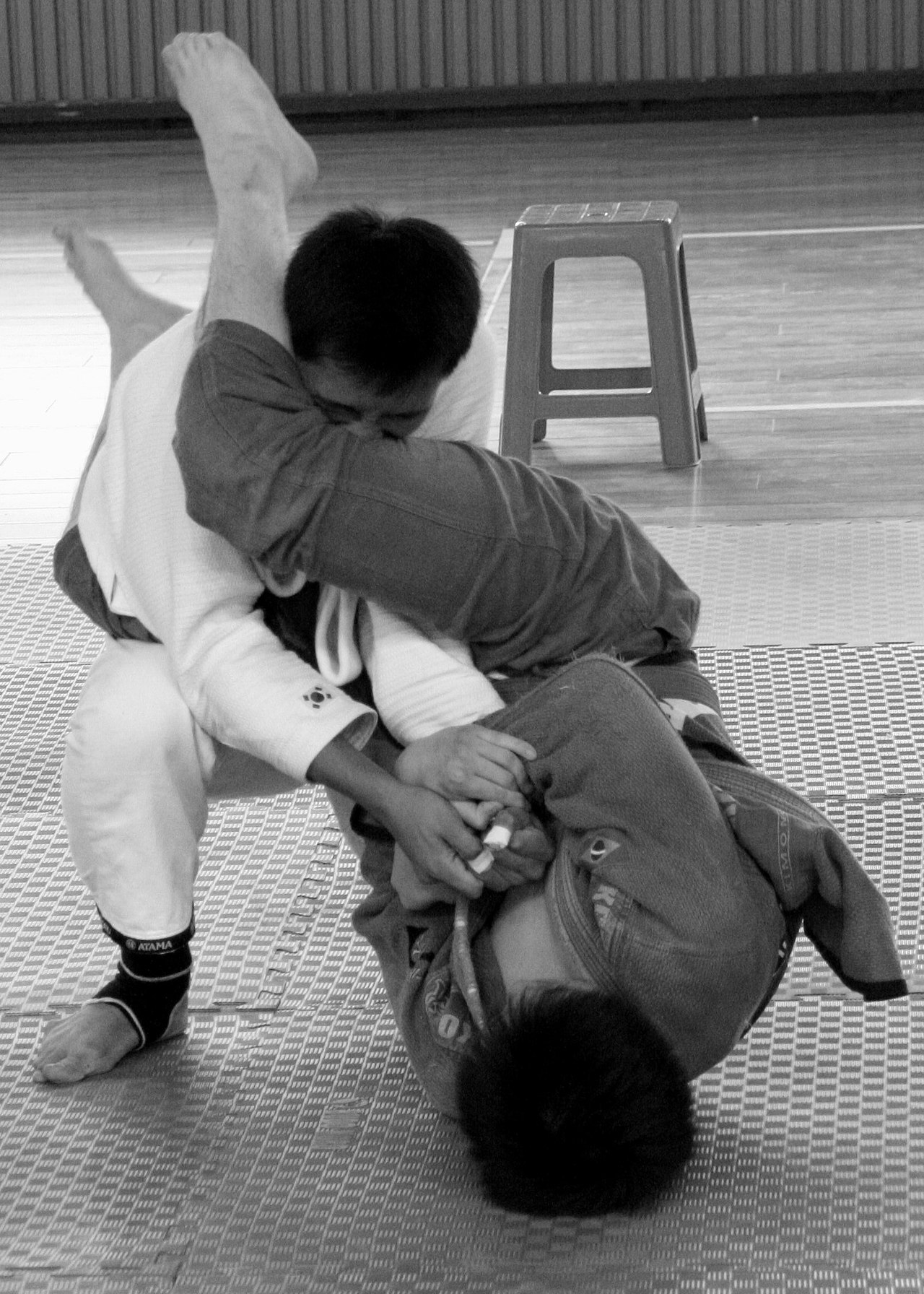
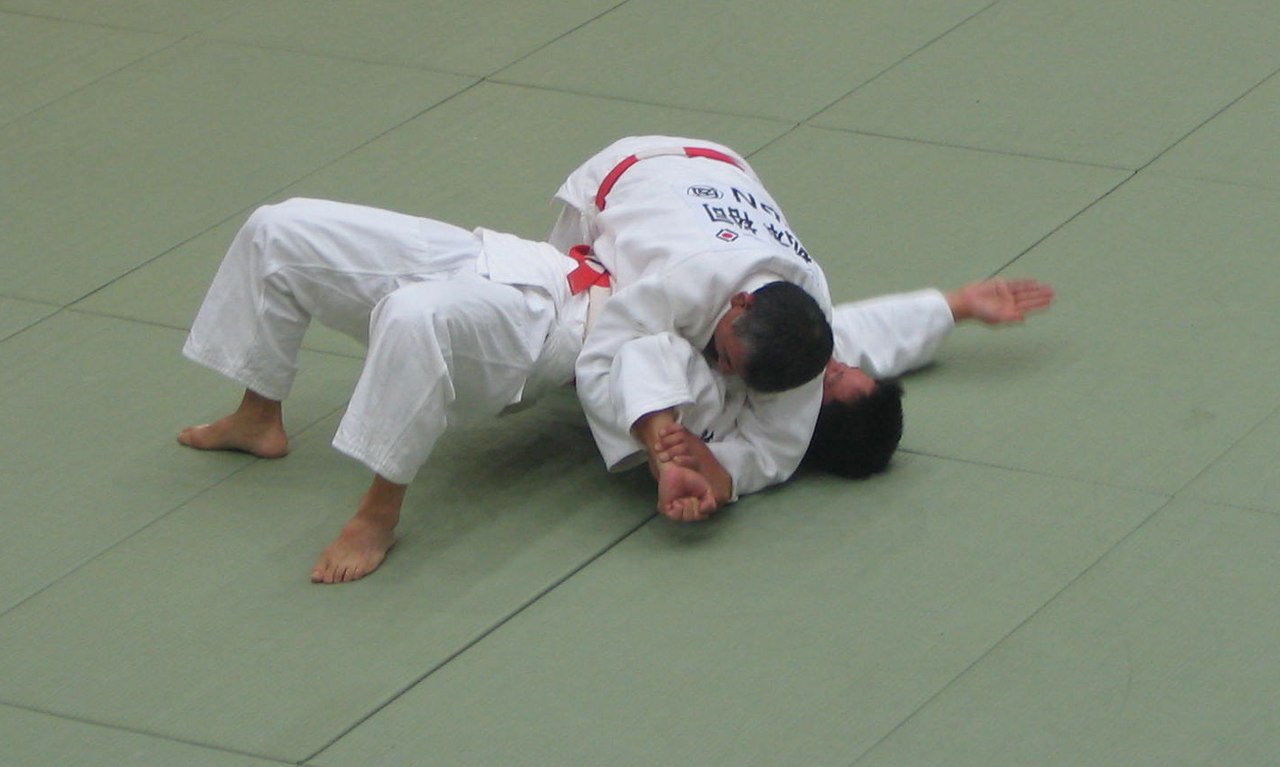
Brazilian jiu-jitsu (BJJ) is a martial art, combat sport and self-defense system that emphasizes grappling, positional control and submissions, especially on the ground. Rather than striking, BJJ prioritizes technique, leverage and timing so that a smaller or weaker person can neutralize a stronger opponent. Training combines cooperative drilling with free practice, known as "rolling," which simulates realistic resisting opponents.
Image gallery
10 Images





Origins and development
BJJ originated when members of the Gracie family and other Brazilian practitioners adapted judo and older Japanese jiu-jitsu concepts to favor ground fighting and practical self-defense. Early pioneers refined throws, holds and submission techniques to work effectively at close range and on the ground. The art gained international prominence through challenge matches and later through mixed martial arts competitions, where its effectiveness in real fights became widely visible.
Core features and techniques
Key characteristics of BJJ include emphasis on positional hierarchy, escaping bad positions, sweeping to improve position and finishing with submissions. Common positions and techniques taught include:
- Primary positions: guard, mount, side control, knee-on-belly, back control.
- Typical submissions: armbar, triangle choke, rear-naked choke, kimura, various leg locks.
- Transitional skills: grips, sweeps, passes and pressure passing.
Training, rules and equipment
Training formats include gi (kimono) and no-gi styles; the gi permits collar grips and different control options, while no-gi uses shorts and rash guards and more wrestling-style grips. Many schools use a colored belt system to signify rank and experience. Sport BJJ contests are run under rulesets that award points for achieving and maintaining positions, and matches end by submission or decision. Instruction also addresses self-defense scenarios beyond competition rules.
Applications and notable impact
BJJ is practiced for self-defense, competition, fitness and as a cross-training base for mixed martial arts. Its techniques have reshaped modern combat sports and law enforcement training. The art also fosters problem-solving, patience and a strong community culture in academies worldwide.
Notable distinctions
Unlike many striking arts, BJJ's central claim is effectiveness from the ground and against larger opponents through leverage and technique. It has a measured progression of skill, international competition circuits, and distinct gi vs no-gi strategies. In recent decades participation has broadened significantly, including growing numbers of female practitioners and youth programs.
Related articles
Author
AlegsaOnline.com Brazilian Jiu-Jitsu (BJJ) Leandro Alegsa
URL: https://en.alegsaonline.com/art/13809