
Ed Ames: Singer, Actor, and Member of The Ames Brothers
Ed Ames (born Edmund Dantes Urick, 1927–2023) was an American baritone singer and actor, noted for his work with The Ames Brothers, 1960s pop hits, and his role as Mingo on television’s Daniel Boone.

Ed Ames (born Edmund Dantes Urick; July 9, 1927 – 2023) was an American singer and actor whose career spanned popular music, television and live performance. He first gained public recognition as a member of the family harmony group The Ames Brothers in the 1950s, and later built a solo recording career in the 1960s with several pop hits. As an actor he is widely remembered for portraying the character Mingo on the television series Daniel Boone.
Image gallery
3 Images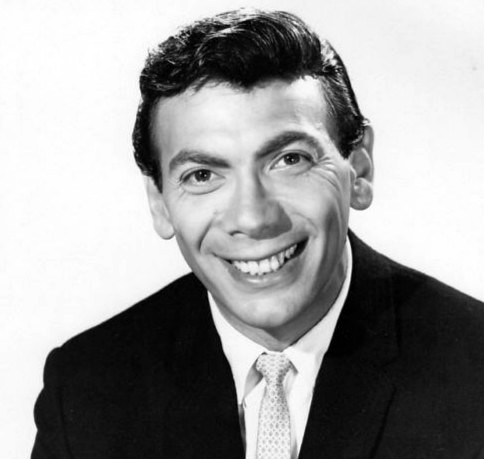


Musical career and style
Ames was known for a smooth, rich baritone voice and a repertoire that included pop ballads and middle-of-the-road standards. His solo recordings in the 1960s produced charting songs such as "My Cup Runneth Over," "Who Will Answer?" and "When the Snow Is on the Roses." Those singles helped him reach a broader solo audience beyond his work with the family quartet. For context about his recorded output and chart history see Ed Ames's pop repertoire.
Acting and public profile
In addition to singing, Ames pursued acting for television and stage. His most prominent television role was as Mingo, a companion to the title character on the adventure series Daniel Boone, which brought him recognition among TV audiences of the 1960s and 1970s. He made guest appearances on other programs and performed in nightclubs and on the concert stage, balancing acting with live musical engagements.
Early life and The Ames Brothers
Born in Malden, Massachusetts, Ames began performing with his brothers in a harmony group that became commercially successful in the 1950s. The Ames Brothers produced numerous recordings and appeared on radio and television shows of the era, contributing to the popularity of vocal quartets in postwar American popular music. For biographical and local background see sources on his early life.
Legacy and notable points
Ed Ames is remembered for bridging two entertainment worlds: the polished harmony of a family vocal group and the solo spotlight of a pop singer, along with a recognizable television persona. Distinctive aspects of his career include:
- Successful transition from group member to solo recording artist.
- Signature baritone timbre suited to romantic ballads and dramatic material.
- Television visibility through a recurring series role that broadened his fan base.
While his peak commercial success came decades ago, Ames's recordings and television performances continue to be cited when discussing mid-20th-century American popular music and television crossover careers.
Author
AlegsaOnline.com Ed Ames: Singer, Actor, and Member of The Ames Brothers Leandro Alegsa
URL: https://en.alegsaonline.com/art/137904