
Diner: American casual eatery and cultural institution
A diner is a small, informal restaurant type that originated in the United States, known for counter service, short-order cooking, and an all-day menu; many are open late or 24 hours.
Overview
A diner is a small, informal restaurant that became a recognizable part of American dining culture. Diners typically serve simple, comfort-oriented food all day and are associated with quick, friendly service, counter seating and booths. While many diners operate late into the night or around the clock, not every establishment follows a 24-hour schedule.
Image gallery
10 Images





Characteristics and common features
Several features often distinguish a diner from other restaurants:
- Counter with stools where customers can watch cooks prepare food.
- Booths for small groups and a compact dining room layout.
- Short-order kitchens designed to produce a wide range of dishes quickly.
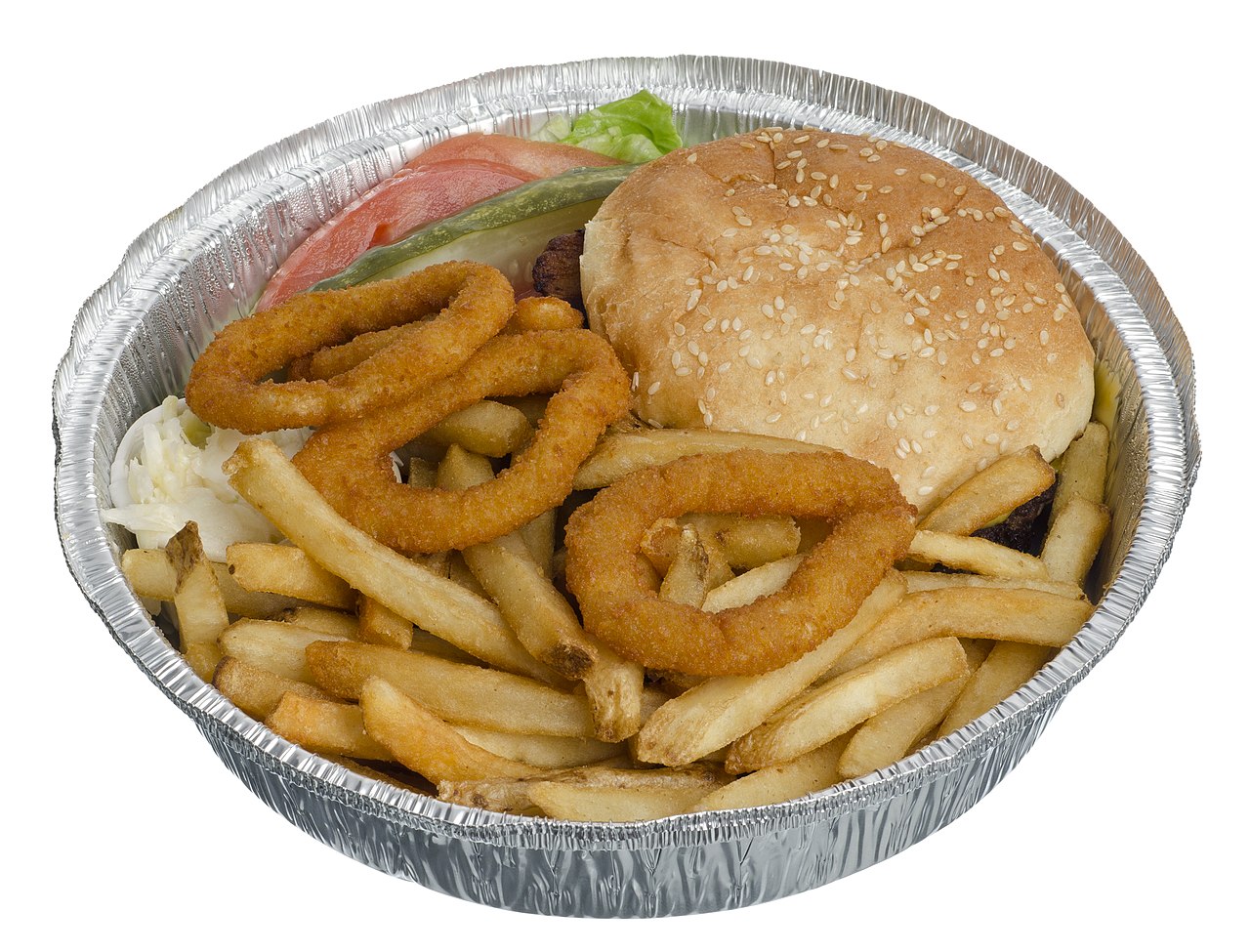
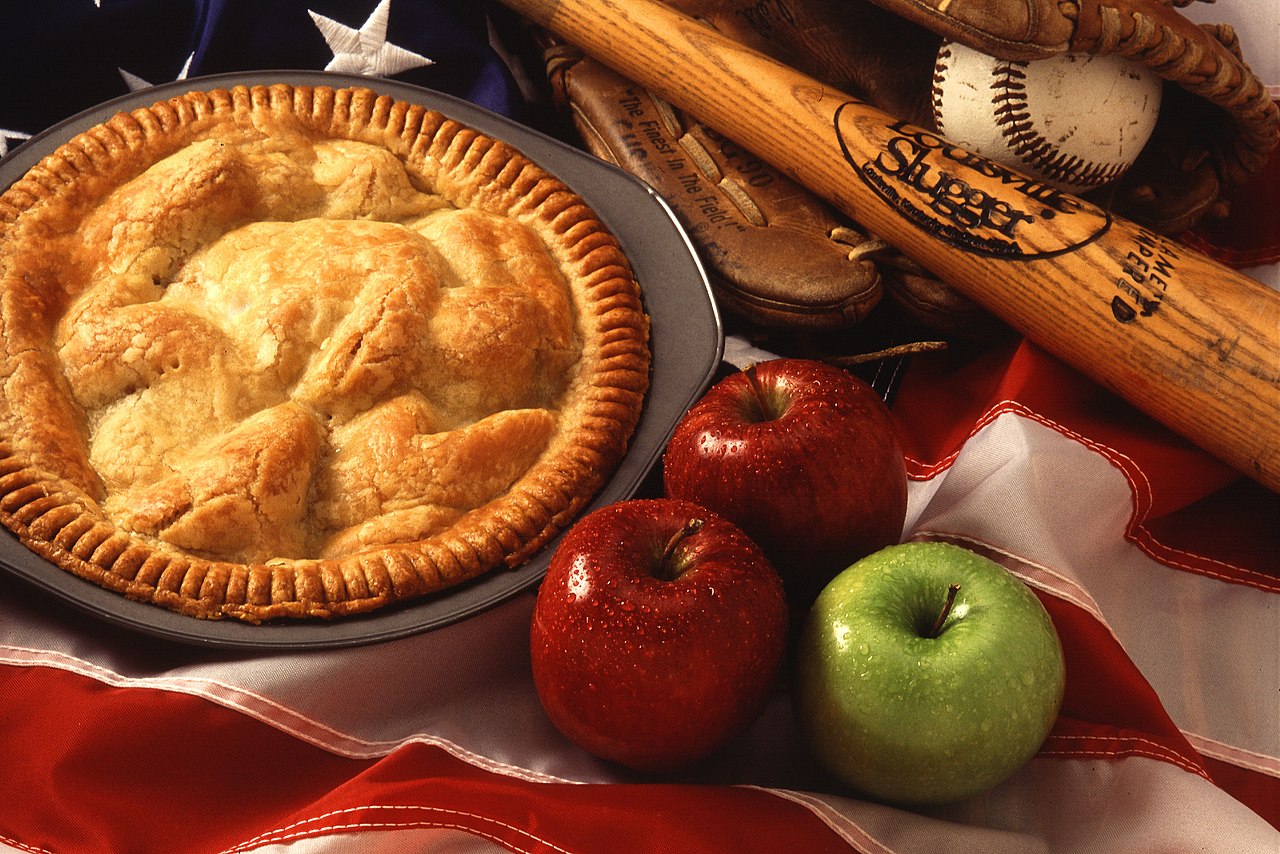
- Menus that emphasize breakfast, burgers, sandwiches, fries and pie.
- A casual, unpretentious atmosphere aimed at regular local patrons.
History and design
Dinering evolved from early mobile lunch wagons and small roadside eateries in the late 19th and early 20th centuries. Many classic diners were prefabricated in factories and shipped to sites; their exterior often reflects streamlined, railcar-inspired designs with stainless steel, neon signs and large windows. Over time diners adapted to suburban locations and changing tastes, but a number of vintage examples remain cherished for their architecture.
Menu and operation
Typical diner menus are broad and straightforward, offering items such as eggs and pancakes, club sandwiches, cheeseburgers, milkshakes and slices of pie. The emphasis is on affordability, speed and consistent preparation. Diners often serve as convenient options for travelers, shift workers and anyone seeking a late-night meal.
Cultural role and contemporary trends
Beyond food, diners function as social hubs and settings in literature, film and television that evoke a sense of everyday life. In recent decades some diners have closed as tastes and real estate pressures changed, while others have been preserved or revived with nostalgic or gourmet twists. For more on their history and variations, see resources about American dining traditions via United States.
Notable distinctions
Not every small restaurant is a diner: the term implies specific service style (short-order, counter service), a particular menu scope and a cultural identity tied to accessibility and informality. Regional variations exist, and modern operations may blend diner elements with contemporary cuisine or café service.
Author
AlegsaOnline.com Diner: American casual eatery and cultural institution Leandro Alegsa
URL: https://en.alegsaonline.com/art/137546