
Charles Evers — Civil Rights Leader, Fayette Mayor, and Mississippi Political Figure
James Charles Evers (1922–2020) was an American civil rights activist and politician; in 1969 he became the first African American elected mayor in a Mississippi city since Reconstruction and later ran statewide campaigns.
Overview
James Charles Evers (September 11, 1922 – July 22, 2020) was an American civil rights activist, community leader and politician from Mississippi. He became prominent in the 1960s and 1970s for his efforts to expand voting rights, increase civic participation among African Americans, and challenge entrenched local power structures. For a concise profile see Charles Evers biography.
Image gallery
4 Images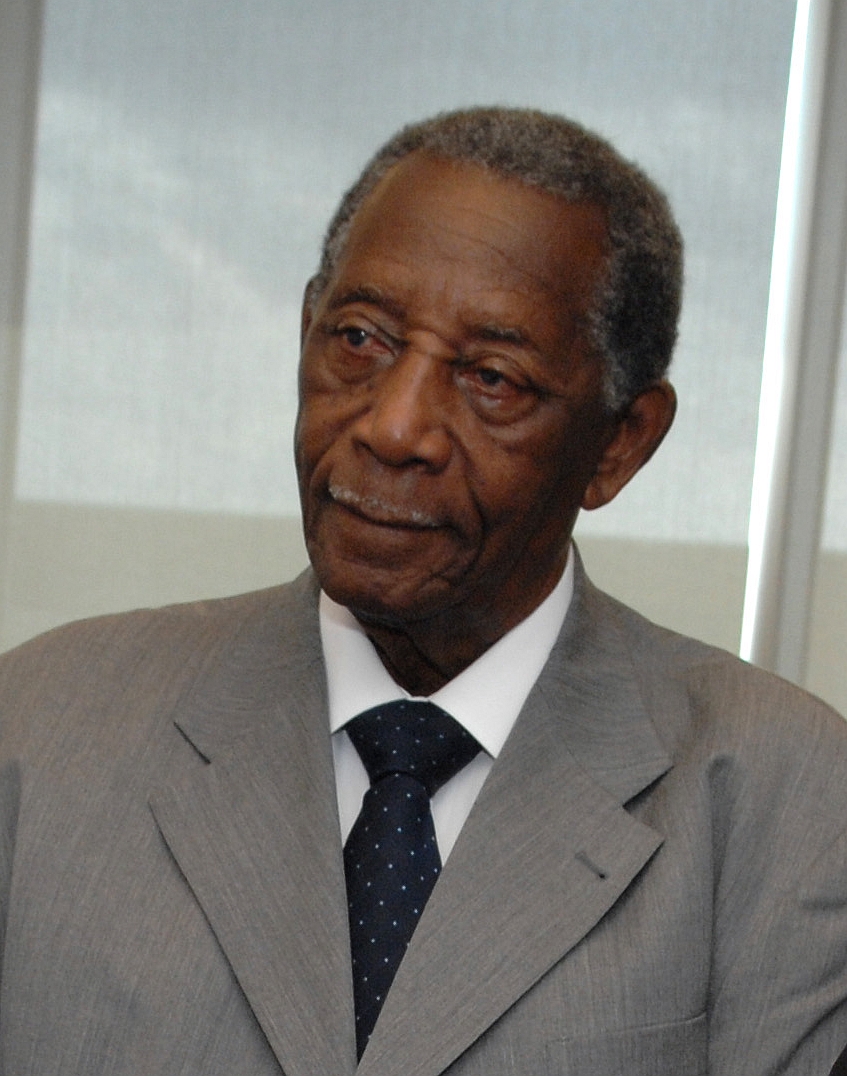


Early life and activism
Evers grew up in Mississippi during the era of legal segregation. He was active in grassroots organizing and local leadership well before holding elected office. His younger brother, Medgar Evers, was a nationally known civil rights activist whose assassination in 1963 galvanized attention to racial violence in the South; Charles Evers subsequently took on broader public duties in the struggle for equal rights and representation. Throughout the 1960s he worked on voter registration drives and on efforts to increase African American participation in local civic institutions.
Mayoral election and political campaigns
In 1969 Evers was elected mayor of Fayette in Jefferson County, Mississippi, becoming the first African American elected mayor in a Mississippi municipality since the Reconstruction era. That election was widely reported at the time as an important milestone in the long civil rights campaign to win political representation at the local level; contemporary coverage and records discuss the circumstances and significance of the result at mayoral election sources. After serving as mayor, Evers sought higher office, mounting an Independent campaign for governor in 1971 and a campaign for the U.S. Senate in 1978; basic information about those campaigns can be found at campaign records. His time as mayor and his statewide campaigns made him a visible figure in Mississippi politics and an advocate for broader inclusion in public life. Local context on Fayette and Jefferson County is available at Jefferson County and Fayette.
Later life and public role
After his campaigns, Evers continued to be active in public life. He remained a commentator on civic affairs and a participant in community events, often emphasizing voter education and the importance of political organization. Observers note that his longevity in public life and his willingness to stand for office in difficult political circumstances helped normalize African American electoral participation in parts of the Deep South that had long excluded Black voters from positions of authority.
Significance and legacy
Evers's election as mayor represented both a symbolic and a practical shift in local governance. It illustrated how decades of civil rights activism, including registration and organizing campaigns, could translate into electoral gains at the municipal level. His subsequent statewide campaigns, though not victorious, highlighted the challenges Black candidates faced and helped open doors for future candidates. Historians and local scholars consider his career an important chapter in the broader story of political change in Mississippi during and after the civil rights era.
Notable facts
- Birth and death: September 11, 1922 – July 22, 2020.
- Mayor of Fayette: Elected in 1969, the first African American elected mayor in a Mississippi city since Reconstruction.
- Political campaigns: Ran for governor (1971) and for the U.S. Senate (1978) as an Independent candidate.
- Family: Brother of Medgar Evers, whose assassination in 1963 was a pivotal event in the civil rights movement.
- Legacy: Remembered for linking grassroots civil rights work with practical efforts to win political representation and for remaining an active public voice into advanced age.
Charles Evers is remembered as a bridge between grassroots activism and electoral politics in Mississippi. His life illustrates the local dimensions of the civil rights movement and the long-term work required to translate social protest into institutional change. Readers seeking more detailed documentary or archival material can consult the referenced sources and local historical collections for further study.
Author
AlegsaOnline.com Charles Evers — Civil Rights Leader, Fayette Mayor, and Mississippi Political Figure Leandro Alegsa
URL: https://en.alegsaonline.com/art/136352