
Bracknell, Berkshire
Bracknell is a town in the county of Berkshire, England. Once a small market settlement, it expanded as a post‑war New Town and is now a mixed residential, commercial and green-space borough.
Overview
Bracknell is a town in the English county of Berkshire. Historically a modest market settlement, it grew substantially in the mid‑20th century and now serves as the principal town in the Bracknell Forest local authority. At the 2001 census the town population was recorded as 50,131; the community has continued to evolve with residential, retail and leisure development since then.
Image gallery
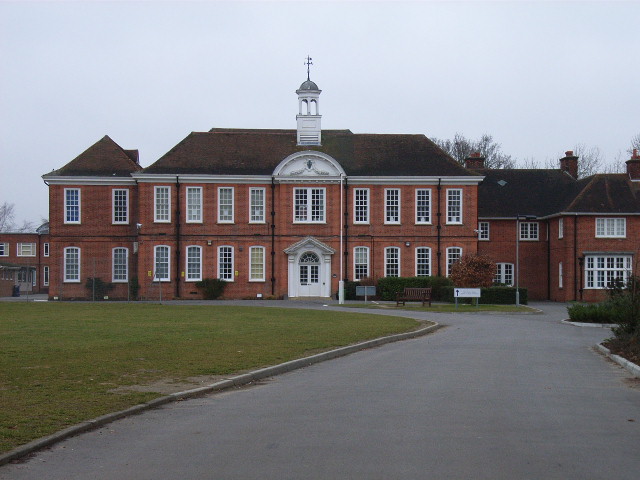
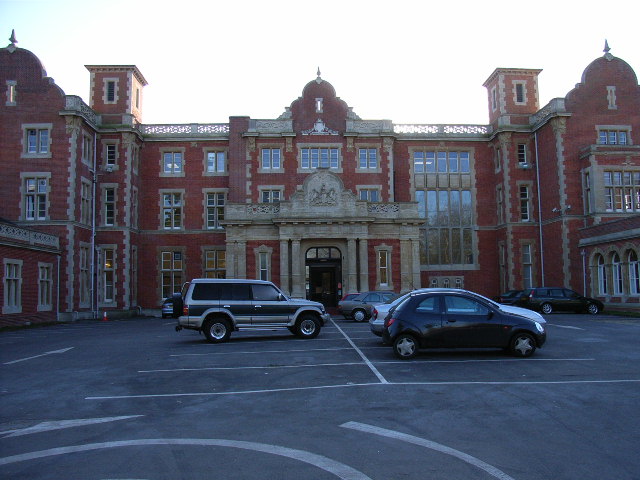
10 Images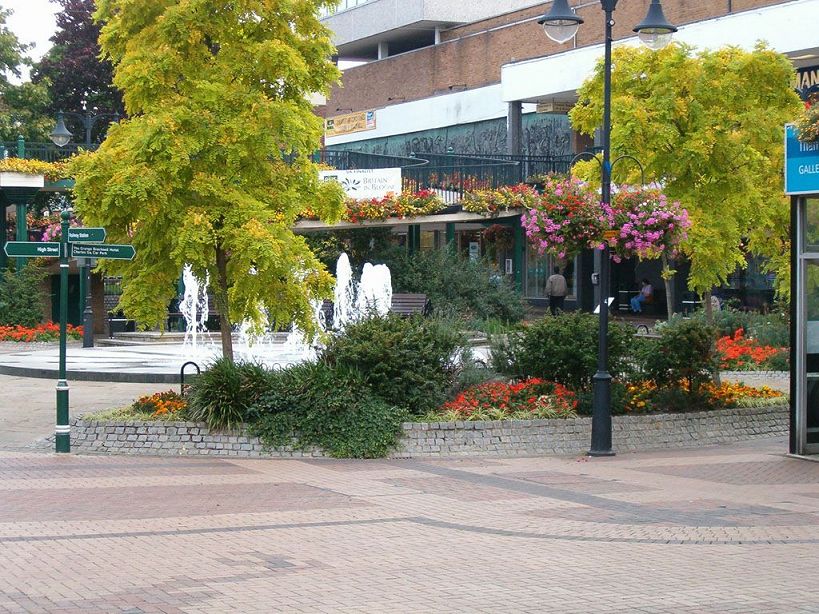




Character and features
Today's Bracknell combines planned residential neighbourhoods, business parks and substantial areas of public open space. The town centre has been the focus of redevelopment and retail investment in recent decades, complementing local leisure and arts facilities. Several parks and wooded areas lie close to the built-up zone, offering recreational opportunities for residents.
Landmarks and amenities
- Town centre retail and leisure precincts following modern regeneration.
- Community arts and performance venues providing cultural programming.
- Leisure and sports facilities, including family and water attractions.
- Nearby green spaces and walking routes around the Bracknell Forest area.
History and development
Bracknell was a small market town before the Second World War. In 1949 it was designated as a New Town, a policy that guided extensive housing and infrastructure growth to relieve pressures elsewhere. The New Town plan shaped the layout of neighbourhoods and encouraged the creation of employment areas and civic facilities.
Transport and economy
The town is connected by road and rail to neighbouring towns and cities, making it within commuting range of larger employment centres. Over time Bracknell attracted offices and light industry, supporting a local economy based on services, retail and business parks. Local planning has aimed to balance economic activity with residential life and green space protection.
Notable facts
Bracknell is the principal settlement of the Bracknell Forest borough and exemplifies post‑war town planning in the UK. Its ongoing regeneration and combination of amenities, workplace areas and nearby woodland make it a representative example of a mid‑sized English town adapting to 21st‑century needs.
Related articles
Author
AlegsaOnline.com Bracknell, Berkshire Leandro Alegsa
URL: https://en.alegsaonline.com/art/13588
Sources
- neighbourhood.statistics.gov.uk : Office for National Statistics