
Branko Kostić (1939–2020): Yugoslav Politician, Businessman and Academic
Branko Kostić (28 Aug 1939–20 Aug 2020) was a Yugoslav public figure who combined roles in politics, business and higher education during the late socialist era, the 1990s transitions, and the early post-socialist period.
Overview
Branko Kostić (Serbian Cyrillic: Бранко Костић; 28 August 1939 – 20 August 2020) was a Yugoslav public figure whose career combined political service, business leadership and university teaching. He was active across the late socialist period, through the crises of the early 1990s, and into the years of post‑socialist transition. His biography illustrates the interconnected roles of administrators, managers and academics in the region during major institutional change.
Image gallery
1 Image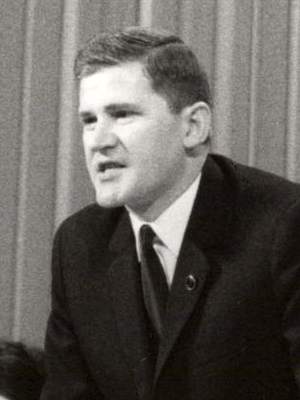
Political activity
Kostić participated in public administration and political life at regional and federal levels. Like many officials of his generation, he worked within collective bodies and party‑linked institutions that governed Yugoslavia and later engaged with successor political structures. His political work was carried out during a time when governing institutions faced pressure from competing national, economic and reformist demands.
Academic career
As a university professor, Kostić contributed to higher education through teaching and mentoring students. Academics who combined scholarly work with administrative duties played a visible role in sustaining professional training and adapting curricula to changing economic and international circumstances. Kostić’s academic activity placed him among those who sought to maintain continuity in university programs while responding to new professional needs.
Business and management roles
In the economic sphere, Kostić was involved in the management and advisory work typical of the region’s efforts to modernize state enterprises and to negotiate the shift toward market mechanisms. Business leaders with public profiles often engaged in restructuring, enterprise management, and debates over privatization and corporate governance during the transition from socialist models to mixed and private ownership forms.
Historical context
His career unfolded against the backdrop of Yugoslavia’s postwar development, the death of Josip Broz Tito, and the eventual dissolution of the federation. Those decades saw profound institutional change: decentralization, contested economic reform, the rise of nationalist politics, the redefinition of federal and republic competencies, and later efforts to integrate with European institutions. Figures like Kostić navigated that shifting landscape, balancing technical expertise, public responsibilities and evolving political alignments.
Legacy
Kostić is remembered as an example of the multifaceted public intellectuals and managers of his time—individuals who bridged academic, commercial and political spheres. While his name may be more familiar within the former Yugoslav space than beyond it, his career sheds light on how personal biographies intersected with broader processes of institutional continuity and change in the late 20th century Balkans.
Areas of activity (summary)
- Service in regional and federal public institutions during the late socialist era;
- University teaching and participation in higher education development;
- Involvement in enterprise management, advisory boards and economic reform debates;
- Engagement with issues of institutional transition, governance and professional training.
Author
AlegsaOnline.com Branko Kostić (1939–2020): Yugoslav Politician, Businessman and Academic Leandro Alegsa
URL: https://en.alegsaonline.com/art/135610