
Basu Chatterjee — Indian filmmaker of middle‑class urban dramas
Basu Chatterjee (1930–2020) was an Indian film director and screenwriter known for gentle, realistic portrayals of middle‑class urban life and relationships in Hindi cinema.
Basu Chatterjee (10 January 1930 – 4 June 2020) was an Indian film director and screenwriter whose films became synonymous with a quiet, observant strain of Hindi cinema. He came to prominence for depicting everyday city life and ordinary people with economy, warmth and a restrained comic touch. His work often explored love, marriage and social ties without melodrama or spectacle.
Image gallery
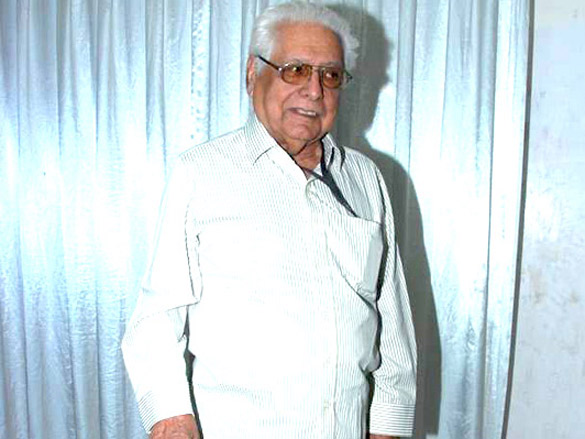
2 Images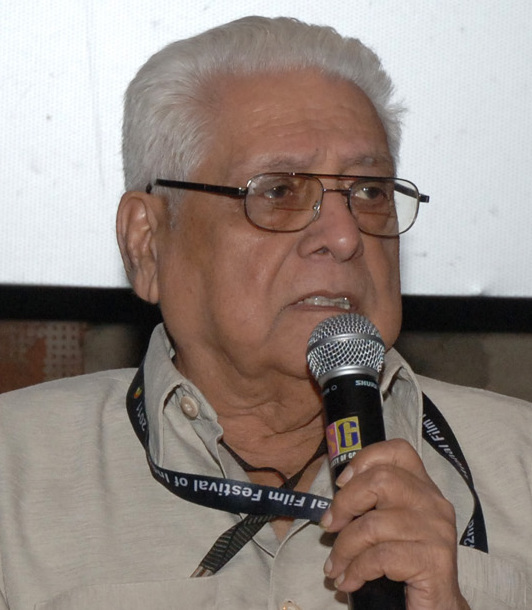
Style and themes
Chatterjee's films are noted for their modest scale, emphasis on character over action, and realistic urban settings. Rather than relying on larger-than-life plots, he favored slice-of-life narratives that focused on relationships, social manners and the dilemmas of the urban middle class. His tone combined light humor with humanist sympathy, and his direction favored clear storytelling, naturalistic performances and uncomplicated production values.
Notable films
Several of Chatterjee's features have endured as popular examples of his approach. These include:
- Piya Ka Ghar
- Rajnigandha
- Chhoti Si Baat
- Chitchor
- Baton Baton Mein
- Priyatama
- Shaukeen
- Chameli Ki Shaadi
- Khatta Meetha
- Man Pasand
These titles illustrate his range from romantic comedies to gentle social comedies and domestic dramas. Many of the films launched or consolidated popular careers for actors and remain frequently cited in discussions of Hindi cinema's middle class sensibility.
Career and influence
Chatterjee rose to recognition during the 1970s and 1980s, a period when filmmakers were exploring alternatives to both mainstream melodrama and parallel art cinema. Critics and audiences often group him with other directors who defined a 'middle cinema' — films that blended popular appeal with realist concerns. His work is valued for its humane perspective, economical storytelling and focus on ordinary lives rather than spectacle.
Even after his later years, Chatterjee's films continue to be viewed, remade or discussed for their insight into urban social life and relationships. His legacy lies in demonstrating how modest budgets and unobtrusive style can produce emotionally resonant cinema that remains relevant to new generations of viewers.
Author
AlegsaOnline.com Basu Chatterjee — Indian filmmaker of middle‑class urban dramas Leandro Alegsa
URL: https://en.alegsaonline.com/art/135009