
Auntie Mame (1958) — film, cast, history and legacy
1958 comedy‑drama film adapted from Patrick Dennis's novel; stars Rosalind Russell and a notable ensemble, nominated for six Academy Awards and later inspired the Broadway musical 'Mame'.
Overview
Auntie Mame is a 1958 American comedy‑drama film directed by Morton DaCosta, adapted from the 1955 novel by Patrick Dennis. The story centers on the exuberant, unconventional socialite known as Auntie Mame and her influence on the young nephew she raises after the death of his father. The film blends broad comedy with social satire, celebrating nonconformity and cosmopolitan living while addressing manners of class and taste in mid‑20th century America.
Image gallery
8 Images



Plot and principal characters
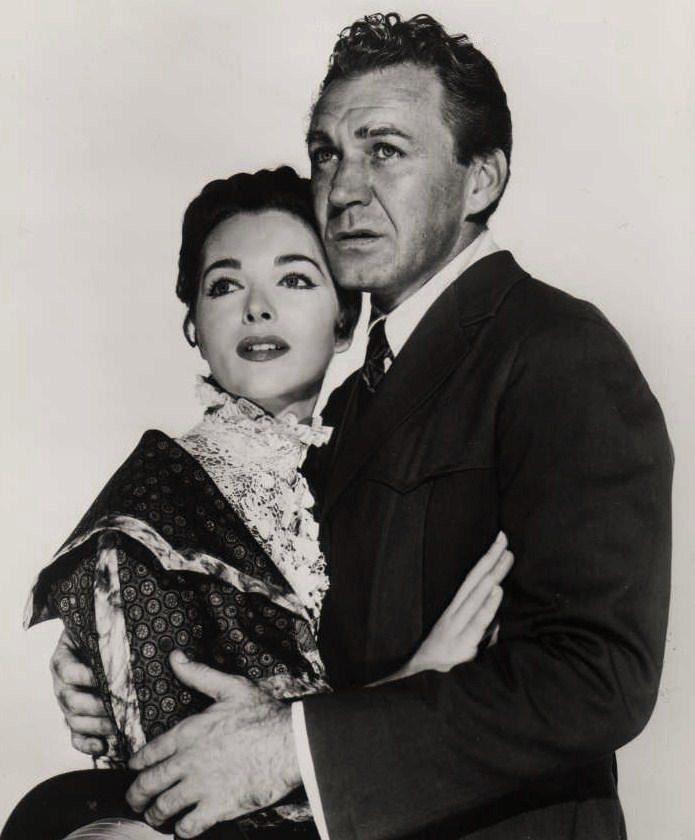
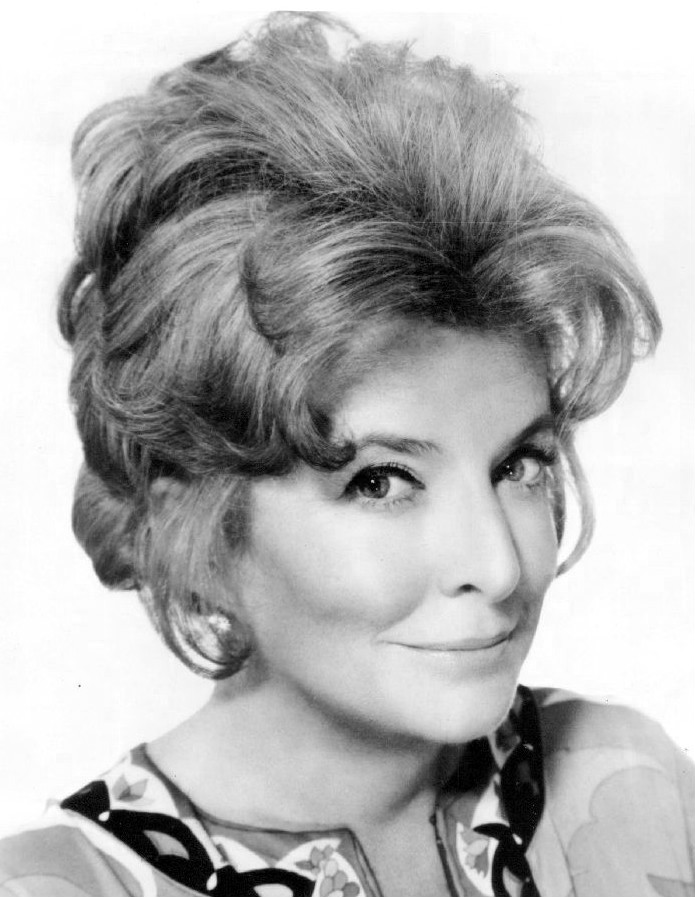
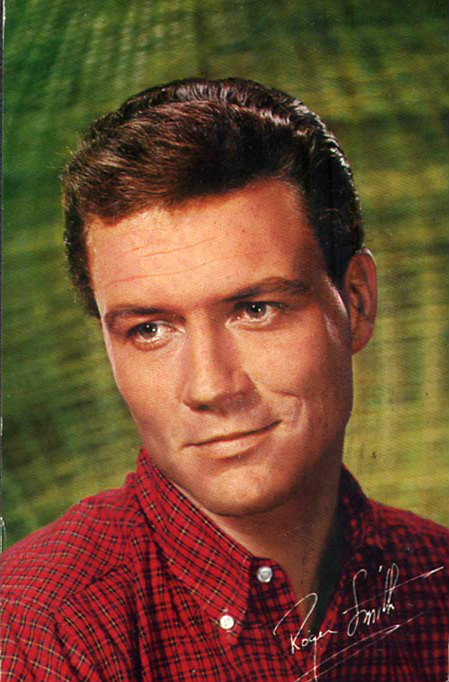
The plot follows Mame Dennis, an irrepressible widow who takes responsibility for her late brother’s son. Through a series of adventures, she exposes the boy to art, travel, and a wide array of personalities, shaping his outlook as he grows up. Central to the film is the performance of Rosalind Russell, whose portrayal defines the title character’s wit, generosity and theatrical flair. The supporting ensemble includes roles played by Forrest Tucker, Coral Browne, Fred Clark, Patric Knowles, Joanna Barnes and Lee Patrick, who together populate the story with a variety of social types and comic foils.
Production and style
Produced and distributed by Warner Bros., the film was made in color and directed by Morton DaCosta, who emphasized both the comic timing and the emotional heart of the narrative. The screenplay retains much of the novel’s episodic structure, moving through set pieces and glamorous interiors that underscore Mame’s larger‑than‑life personality. Costuming and set design play prominent roles, helping to establish the heroine’s taste for theatricality and elegance.
Reception and awards
Upon release, Auntie Mame was both a commercial success and a critical favorite, praised especially for its lead performance and its brisk, entertaining storytelling. The film earned six Academy Award nominations in 1959, reflecting recognition from the industry across several categories. Critics have continued to cite Rosalind Russell’s Mame as one of the film’s enduring strengths and a notable example of a comic performance anchored by warm humanity.
Adaptations and cultural impact
The novel and the film together helped create an enduring cultural figure: the flamboyant, open‑minded aunt who champions individuality. Auntie Mame inspired a successful Broadway musical, Mame, which became a staple of American musical theatre; that stage work later led to a separate 1970s film adaptation of the musical. The character’s influence can be seen in later screen and stage portrayals of spirited, nonconformist women who reshape the lives of younger relatives.
Notable facts and distinctions
- The film is an adaptation of Patrick Dennis’s popular 1955 novel and follows its broad, episodic approach to storytelling.
- Rosalind Russell’s performance is widely remembered as definitive, helping to cement the character in popular culture.
- Beyond awards, the movie’s success helped sustain additional theatrical and cinematic treatments of the story in later decades.
Author
AlegsaOnline.com Auntie Mame (1958) — film, cast, history and legacy Leandro Alegsa
URL: https://en.alegsaonline.com/art/134800