
Atsuko Ikeda
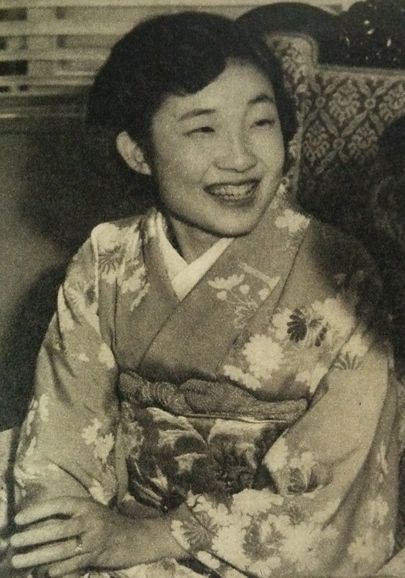
Atsuko Ikeda (born 7 March 1931), formerly Princess Yori, is a daughter of Emperor Shōwa who left the Imperial Family on her 1952 marriage to Takamasa Ikeda and later pursued public and cultural activities.
Overview
Atsuko Ikeda (born 7 March 1931), known before her marriage as Princess Yori (Yori-no-miya Atsuko Naishinnō), is the fourth daughter of Emperor Shōwa and Empress Kōjun. She is an elder sister of Emperor Emeritus Akihito and is commonly referred to by her married name following her departure from the Imperial Household.
Image gallery
8 Images



Name, title and status
At birth she was styled as an imperial princess and used the personal title Yori-no-miya. Upon marrying Takamasa Ikeda on 10 October 1952 she relinquished her imperial title as required by law and became known privately as Atsuko Ikeda. Her husband is usually described in sources by the former kazoku title Marquis.
Family background and early life
Born into Japan's imperial family in the first half of the 20th century, Atsuko grew up through a period of profound change for the monarchy and the nation. Her parents, Emperor Shōwa (Emperor Shōwa) and Empress Kōjun, were central figures in Japan's modern history. She is the older sister of Akihito (Emperor Akihito), who later reigned as emperor before his abdication.
Marriage and legal consequence
Her marriage on 10 October 1952 to Takamasa Ikeda led to the automatic loss of imperial status under the regulations governing membership of the Imperial Household. The rule that female members who marry outside the Imperial Family lose their status is set out in law and has affected several princesses since the mid-20th century (Imperial Household Law).
Activities and public role
After leaving the official imperial roster, Atsuko Ikeda has maintained a lower public profile than working members of the Imperial Family but has continued to take part in cultural, charitable and family activities. Former imperial family members commonly support traditional arts, local charities and community events; in keeping with that pattern, her public appearances have emphasized cultural continuity and private philanthropy rather than state duties.
Notable facts and legacy
- She was born into the household of Emperor Shōwa at a time of transition for Japan's monarchy and state institutions.
- Her change of status upon marriage illustrates the continuing effect of postwar rules on the composition of the Imperial Family.
- Although no longer an official member of the imperial household, she remains part of the broader extended imperial lineage and is often referenced in discussions of modern imperial family history.
Readers seeking more detailed genealogical or legal background can consult specialist works on the modern Japanese monarchy and the Imperial Household Law for fuller context about how marriage, succession and status have been handled since 1947.
Author
AlegsaOnline.com Atsuko Ikeda Leandro Alegsa
URL: https://en.alegsaonline.com/art/134764