
Arnold Rüütel: Estonian statesman who bridged Soviet and independent eras
Estonian political leader born 1928; served in senior Soviet-era roles, led the Supreme Council during transition, and was President of Estonia from 2001 to 2006.
Arnold Rüütel (born 10 May 1928) is an Estonian politician whose public career spans the late Soviet period and the decades after Estonia regained independence in 1991. He held senior offices in the Estonian Soviet Socialist Republic, presided over the republic's legislature during the moment of legal transition, and later served as President of the Republic of Estonia from 2001 to 2006. His long tenure in public life and his roots in rural and agricultural affairs have made him a distinctive figure in Estonia's modern political history.
Image gallery
10 Images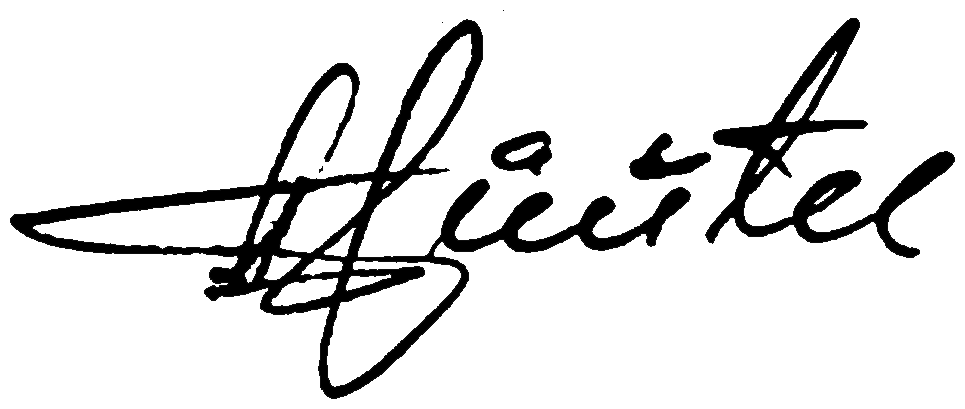


Early life and background
Rüütel was born in 1928 and trained in agricultural fields before entering public service. His professional background linked him closely to rural communities and farming interests, a connection that shaped both his political base and his public image. During the Soviet era his administrative career advanced through regional and republic-level structures, preparing him for higher office within the Estonian SSR.
Roles in the Soviet and transitional period
During the 1980s Rüütel served as Chairman of the Presidium of the Supreme Soviet of the Estonian SSR, the highest formal state post within the republican government at that time. He was also a deputy chairman within the Supreme Soviet of the USSR. In March 1990, as political reforms swept the region, Estonia's legislature was reconstituted: Rüütel became Chairman of the Supreme Soviet of the Estonian SSR, a body that soon renamed itself the Supreme Council of the Republic of Estonia. He presided over the council until October 1992, a period that included the legal and political processes associated with restoring Estonia's independence.
Presidency and later public life
After a period working outside the presidential office, Rüütel was elected President of Estonia in October 2001. He served a single five-year term, leaving office in October 2006. He was the second person to hold the presidency following the restoration of independence in 1991. As president he was often viewed as representing continuity with Estonia's rural communities and as a voice for agricultural and regional concerns within national debates.
Significance and reputation
Rüütel's career illustrates the complex trajectories of Baltic leaders who served in Soviet institutions and later became actors in independent national politics. Observers note that his experience in both systems gave him institutional knowledge and a network of contacts across generations. His presidency and prior leadership roles are frequently discussed in studies of Estonia's political transition and in analyses of how post-Soviet societies reconciled continuity and change.
Key offices
- Chairman of the Presidium of the Supreme Soviet of the Estonian SSR (1983–1990)
- Chairman of the Supreme Soviet / Supreme Council of the Republic of Estonia (1990–1992)
- President of the Republic of Estonia (2001–2006)
For introductions, biographies, or archival material about Arnold Rüütel consult authoritative sources and official archives. His life remains a useful case study in how political actors navigated the shift from Soviet structures to independent statehood.
Author
AlegsaOnline.com Arnold Rüütel: Estonian statesman who bridged Soviet and independent eras Leandro Alegsa
URL: https://en.alegsaonline.com/art/134653