
Amr Diab — Egyptian singer and pop music icon
Amr Diab (born 11 October 1961) is an Egyptian singer-songwriter credited with modernizing Arabic pop through a Mediterranean fusion style and achieving long‑running regional and international success.
Overview
Amr Diab (Arabic: عمرو دياب), born 11 October 1961 in Port Said, Egypt, is a prominent Egyptian singer, composer and songwriter. He rose to regional prominence in the 1980s and became widely known across the Arab world for a polished vocal style, contemporary production and influential popular songs that bridged traditional Arabic melodies and modern pop.
Image gallery
2 Images
Early life and beginnings
Diab showed an early interest in music and performed locally before beginning a professional recording career in the early 1980s. His work gradually expanded beyond Egypt, aided by recordings and television exposure that introduced his music to a wider Middle Eastern and international audience.
Musical style and production
He is widely associated with a fusion of Arabic modal melodies and Western pop, dance and Mediterranean rhythms. His recordings often combine electronic production, layered arrangements and memorable choruses while retaining vocal techniques and phrasing linked to regional traditions. Lyrical themes frequently address love, longing and personal reflection delivered in contemporary Egyptian dialect.
Career highlights
Across several decades Diab has released numerous albums that achieved pan‑Arab popularity. In the mid‑1990s one of his singles became a breakthrough international hit, helping to introduce his sound to listeners beyond the region. He has maintained a steady presence in recordings and live performances, collaborating with producers and arrangers who mixed local and global influences.
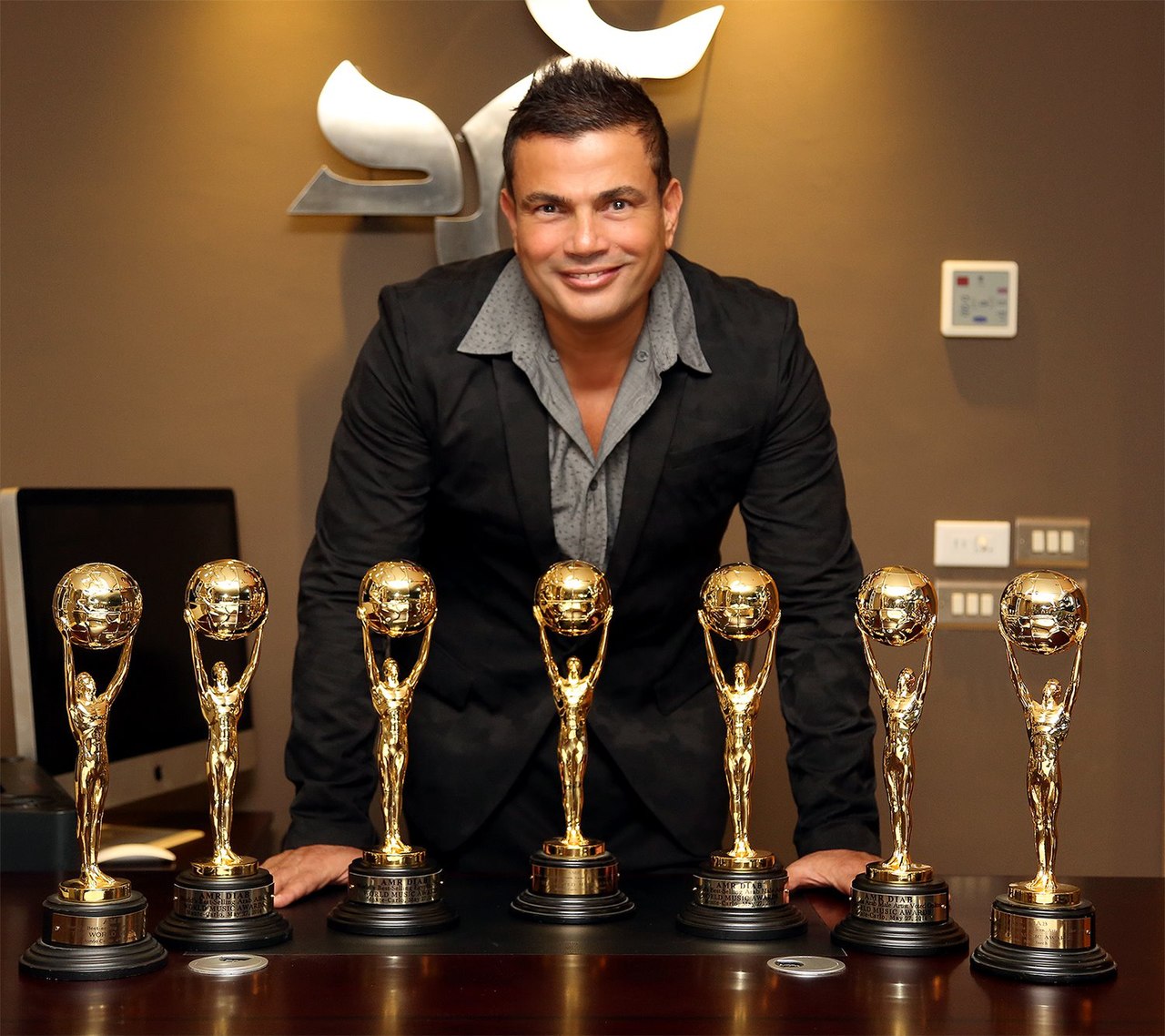
Awards, tours and recognition
- Recognized repeatedly by regional and international music industry platforms for commercial success and popularity.
- Known for large concerts and tours across the Middle East, North Africa and in international venues where Arabic pop has an audience.
- Seen as a trendsetter whose production choices influenced younger Arab singers and producers.
Legacy and cultural impact
Amr Diab's long career helped reshape modern Arabic popular music by updating production values while maintaining connections to regional vocal styles. His approach contributed to a broadly accessible pan‑Arab pop idiom and influenced subsequent generations of performers. For official information, discography and releases, see official sources.
Author
AlegsaOnline.com Amr Diab — Egyptian singer and pop music icon Leandro Alegsa
URL: https://en.alegsaonline.com/art/134437