
Alphonse Laveran
French military physician (1845–1922), Nobel laureate in 1907 for demonstrating that protozoa cause human disease, notably identifying the malaria parasite and founding modern protozoology.
Charles Louis Alphonse Laveran (18 June 1845 – 18 May 1922) was a French physician whose observations changed understanding of infectious disease. A career army doctor, he is best known for demonstrating that certain illnesses are caused by single-celled organisms. His work earned him the Nobel Prize in Physiology or Medicine in 1907.
During service overseas he examined the blood of patients with fevers and in 1880 first reported seeing moving, pigmented bodies in blood films. These observations, made while he was working as a French military physician, identified a parasitic agent now classified among the protozoa and later recognised as the causative agent of malaria (the genus Plasmodium).
Image gallery
9 Images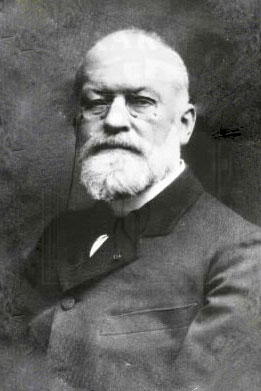




Scientific contributions
Laveran’s careful microscopic work established a new model: that unicellular parasites could be primary causes of disease in humans. This insight helped create the field of medical protozoology and shifted research toward parasite biology, blood diagnostics and preventive measures against vector-borne diseases. His methods emphasized direct observation of clinical specimens and correlation with clinical signs.
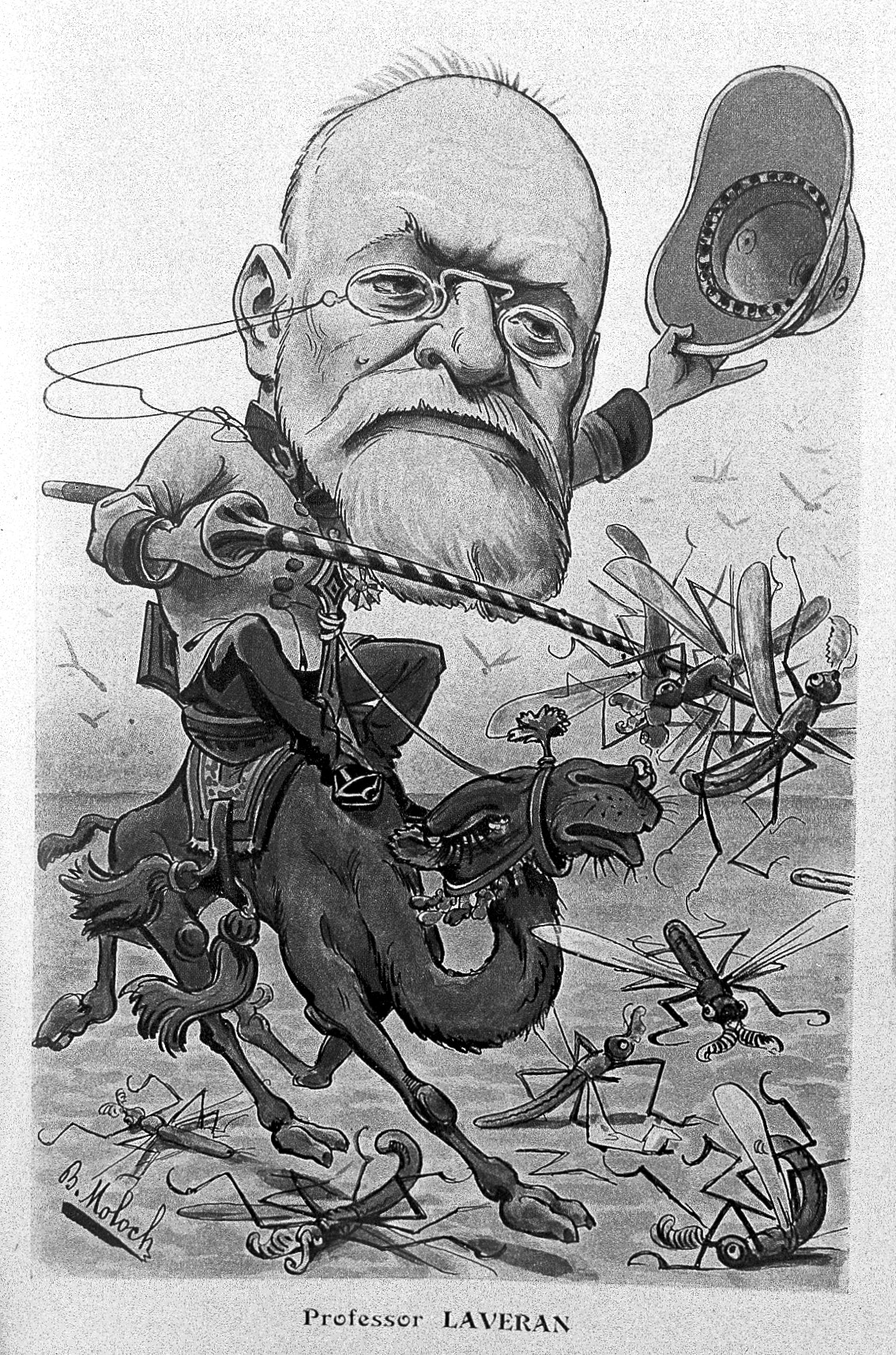
Following his malaria discovery he extended studies to other parasitic blood organisms, contributing to knowledge of trypanosomes and other hemoparasites. Though he did not himself prove insect transmission, his identification of the parasite set the stage for later discoveries about vectors such as mosquitoes and tsetse flies.
Legacy and importance
- Nobel Prize in Physiology or Medicine (1907) for demonstrating the role of protozoa in disease.
- Considered a founder of medical protozoology and a major influence on tropical medicine and parasitology.
- His diagnostic approach—direct microscopy of patient samples—remains a foundational practice in many infectious-disease laboratories.
Laveran retired from military service and continued scientific work, leaving a lasting legacy in the prevention, diagnosis and study of parasitic diseases. He died in 1922, and his discoveries are still cited as turning points in the history of medical microbiology and public health.
Author
AlegsaOnline.com Alphonse Laveran Leandro Alegsa
URL: https://en.alegsaonline.com/art/134364