
Abbott and Costello Meet Frankenstein
A 1948 Universal Pictures horror-comedy that teams the comic duo Abbott and Costello with classic Universal monsters — Dracula, Frankenstein's Monster, and the Wolf Man.
Overview
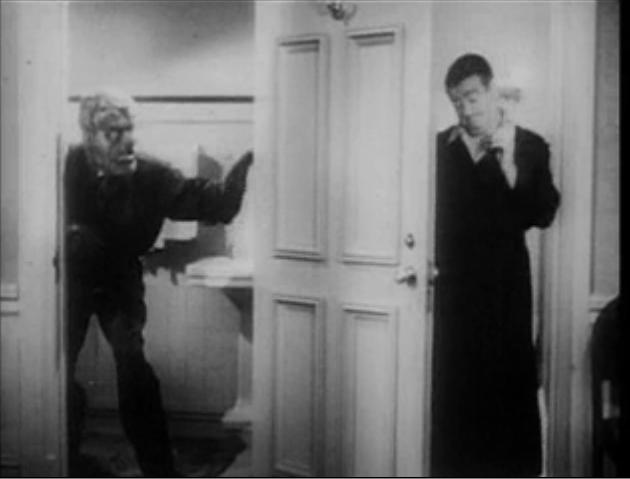
Abbott and Costello Meet Frankenstein is a 1948 American horror-comedy directed by Charles Barton and released by Universal Pictures. The film pairs the popular comedy team of Bud Abbott and Lou Costello with several of Universal's signature monsters, creating a blend of slapstick humor and gothic atmosphere. It is widely regarded as one of the most successful crossovers of classic horror and mainstream comedy.
Image gallery
3 Images
Cast and characters
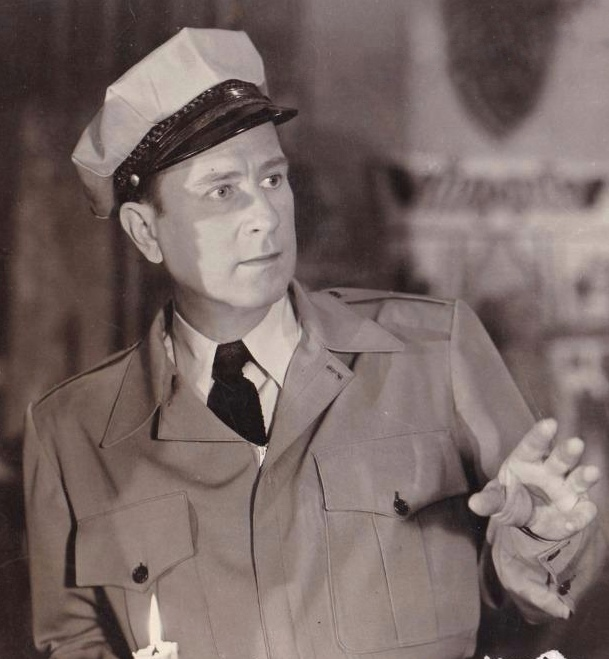
The movie features notable horror performers of the era: Lon Chaney Jr. (the Wolf Man), Bela Lugosi (Dracula) and Glenn Strange (Frankenstein's Monster) appear alongside Abbott and Costello. The comic duo play ordinary, fast-talking protagonists who become unwittingly entangled with a resurrected monster plot and a sinister scientist.
Plot elements and style
Rather than a straight fright picture, the film leans on physical comedy, misunderstandings, and tension-relieving set pieces. Gothic locations such as a castle, a wax museum, and a laboratory are used for spooky sight gags and chase sequences. The screenplay balances genuine horror iconography with routines designed to showcase Abbott and Costello's timing and repartee.
Production, release and reception
Produced during the late 1940s when Universal was recycling its monster stable, the picture brought classic creatures into a modern comedic context. Upon release it performed well at the box office and earned favorable reactions from audiences who appreciated the novelty of seeing familiar monsters played for laughs. Film historians often cite it as a high point in the comedy duo's career and an influential example of the horror-comedy hybrid.
Legacy and notable facts
- The film has endured as a touchstone for later horror-comedies and monster ensemble pieces.
- It gave contemporary exposure to legacy horror characters and introduced them to new, postwar audiences.
- Collectors and classic-film fans continue to circulate restored and home-video editions, reflecting its lasting popularity.
For readers seeking more detail on the performers, production history, and modern restorations, related entries explore the careers of Abbott and Costello, the individual monster films that preceded this crossover, and the film's place in Universal's catalog. The movie remains a notable example of how two different cinematic traditions—vaudeville-derived comedy and Gothic horror—can be combined to lasting effect.
Author
AlegsaOnline.com Abbott and Costello Meet Frankenstein Leandro Alegsa
URL: https://en.alegsaonline.com/art/134044