
940s (940–949): a decade of shifting powers and regional upheaval
A decade marked by military campaigns, dynastic change and rising regional powers: Byzantine–Rus' clashes, Buyid control of Baghdad, Chinese dynastic turnover, and political disorder in England, Japan and Kievan Rus'.
Overview
The 940s (940–949) were a decade of transition across Eurasia. Local rulers, expanding military groups and court intrigues reshaped authority in several regions. While no single empire dominated globally, this period saw decisive contests that changed political alignments and set patterns for later decades.
Image gallery
1 Image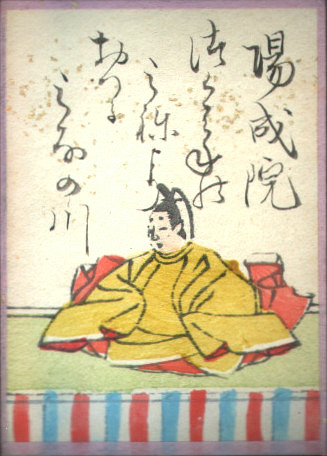
Characteristics
Common features of the decade include contested frontiers, dynastic turnover, and the growing influence of regional military elites. Trade and diplomacy continued alongside warfare: merchants and emissaries negotiated treaties even as fleets and armies raided coasts and marches. Religious institutions remained important sources of legitimacy and record keeping.
Notable events
- 940 – The rebellion of Taira no Masakado in Japan was suppressed, a notable episode in the Heian period's local power struggles.
- 941 – A large Rus' fleet attacked Constantinople; the Byzantines succeeded in repelling the assault with heavy losses for the attackers.
- 944 – A formal agreement was concluded between the Byzantine court and the Rus', regulating trade and contacts after the earlier conflict.
- 945 – The Buyid dynasty gained effective control over Baghdad and the Abbasid caliphs, marking a shift in Iraqi politics.
- 945–947 – In Kievan Rus', Prince Igor was killed while collecting tribute; his widow Olga acted as regent and carried out reprisals and administrative measures.
- 946–947 – In England, King Edmund I was killed and succeeded by Eadred, continuing efforts to consolidate kingdoms against Norse-held areas.
- 947 – In northern China the Later Han dynasty was founded, part of the continuing Five Dynasties and Ten Kingdoms era of rapid dynastic change.
Regional impacts
In the eastern Mediterranean, Byzantine resilience preserved Constantinople's centrality while encouraging negotiated maritime commerce. In the Islamic world, Buyid control of Baghdad transferred real power from the caliphs to regional military rulers, foreshadowing a pattern of autonomous dynasties. In northern and eastern Europe, raids and princely succession crises accelerated the formation of stronger polities; Kievan Rus' and the English kingdoms emerged from turbulent years with altered leadership. In East Asia, local rebellions and dynasty changes reflected longer-term fragmentation and eventual reunifying efforts.
Significance and legacy
The 940s did not produce dramatic global innovation, but the decade consolidated important regional shifts: the rise of military dynasts in the Islamic lands, the continuing formation of medieval states in Europe, and dynastic reordering in China. These developments influenced political structures, diplomatic practice, and trade routes in the later 10th century.
Author
AlegsaOnline.com 940s (940–949): a decade of shifting powers and regional upheaval Leandro Alegsa
URL: https://en.alegsaonline.com/art/133976