
870s — a decade of political realignment and regional unrest (870–879)
Overview of the 870s: major political events, Viking activity, Carolingian divisions, Abbasid and Tang challenges, cultural and religious developments across Eurasia.
The 870s covers the years 870–879, a decade marked by shifting borders, recurrent warfare and rising regional powers. In Western Europe the legacy of Charlemagne's realm continued to fragment; Norse warbands and settlers reshaped the British Isles; the Abbasid Caliphate faced internal revolts in the east and south; and Tang China moved toward the large-scale uprisings that would nearly topple imperial control.
Image gallery
6 Images



Political and military developments
Several diplomatic and military events in this decade had long-term consequences. In 870 a major partition of Carolingian territory adjusted control in what is now northeastern France and the Low Countries, reflecting the declining coherence of Carolingian authority. In England, West Saxon resistance hardened after a series of Viking campaigns: Alfred of Wessex succeeded to the throne in 871 and began the prolonged struggle that would shape later English polity. Norse settlement and raiding continued across the North Sea, consolidating Scandinavian influence in the British Isles and coastal Francia.
Islamic world and eastern challenges
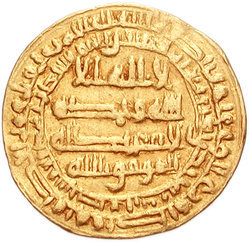
The Abbasid caliphs ruled in name from Baghdad but faced significant military and fiscal pressures. Rebellions and the rise of autonomous regional dynasties in eastern Iran eroded central control. In southern Iraq the Zanj slave revolt, which began at the end of the 860s, continued to occupy large numbers of troops and destabilize agriculture and trade in the region.
East Asia: China, Korea and Japan
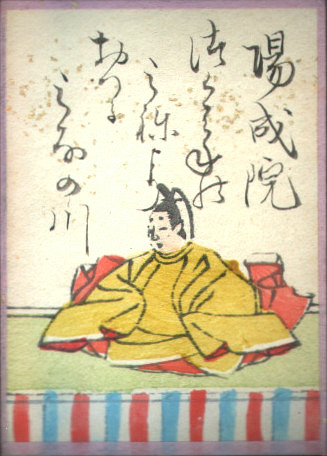
Tang China experienced mounting peasant unrest and local power struggles; the conditions that led to the large agrarian insurrections of the late 870s and 880s were developing in this decade. Korea’s unified Silla kingdom faced gradual decline in central authority, while Japan’s Heian court consolidated aristocratic culture and the power of Fujiwara family networks.
Religion, law and culture
Religious institutions remained central to political life. The eastern and western churches wrestled with jurisdictional disputes centered on Constantinople and Rome, and an important ecclesiastical council at the end of the decade attempted to resolve parts of that conflict. Monasticism, manuscript production and local legal customs continued to shape literacy and governance across regions.
Notable trends and legacy
- Regionalization: effective power increasingly lay with local rulers, warlords or governors rather than distant emperors.
- Migration and settlement: Viking expansion produced lasting demographic and cultural change in the British Isles and Ireland.
- Social stress: agrarian unrest and slave revolts signaled deeper economic strains in both the Islamic world and China.
The 870s therefore stand as a transitional decade in which older imperial frameworks weakened while new regional orders and long-term conflicts were established, setting the stage for political realignments in the 10th century.
Author
AlegsaOnline.com 870s — a decade of political realignment and regional unrest (870–879) Leandro Alegsa
URL: https://en.alegsaonline.com/art/133962