
Year 549 (DXLIX)
Overview of the year 549 (DXLIX): calendar context, major political and military developments across Eurasia, cultural notes, and how the year is treated in historical sources.
Year 549, written in Roman numerals as DXLIX, falls in the mid-6th century and belongs to the historical era conventionally labeled using the Anno Domini system. In contemporary calendrical terms it is identified as a common year that began on Friday under the Julian system of dating (Julian calendar). The single number 549 serves as a convenient reference point for events across different regions and cultures during a period of political fragmentation and recovery from recent crises.
Image gallery
1 Image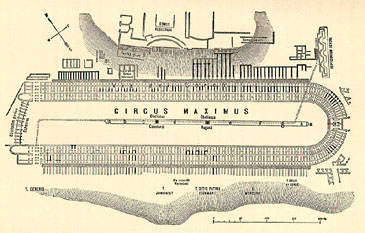
Context and characteristics
The mid-500s were shaped by the long reign of the Byzantine emperor Justinian I, the aftereffects of the first pandemic commonly called the Justinianic Plague, and competing powers such as the Sasanian Empire in Persia and several dynasties in China. Travel and communication were slow by modern standards; chroniclers wrote at varying intervals and from differing perspectives, so surviving accounts provide a patchwork view rather than a complete record of the year.
Notable developments by region
- Italy and the Western Mediterranean: The protracted conflict known as the Gothic War between the Eastern Roman (Byzantine) Empire and the Ostrogothic Kingdom continued to affect Italy. Military campaigns, sieges, and shifting control of towns produced disruption to administration and urban life.
- Byzantine Empire and Near East: Justinian's government remained engaged in efforts to consolidate territories reconquered earlier in the century. Contemporary historians such as Procopius wrote accounts of these endeavors and of court life that later generations used as primary sources for the period.
- Persia: The Sasanian Empire under Khosrow I continued to be a major regional power, maintaining its own diplomatic and military presence along borders with Byzantine territory.
- East Asia: Southern China experienced political turbulence associated with rebellions and court struggles during the period of the Southern and Northern dynasties. Chinese sources record instability and shifting regional control, contributing to broader social and economic strain.
Culture, religion and society
Religious institutions remained central to social life across Eurasia. Christianity continued to evolve in doctrine and organization within both eastern and western provinces of the former Roman world, while Buddhist and Confucian traditions influenced thought and governance in East Asia. The lingering effects of epidemic disease had demographic and economic consequences that shaped settlement patterns and labor availability.
Dating, sources and legacy
Year numbers such as 549 are modern conveniences applied retrospectively; contemporary documents sometimes used regnal years, indictions, or consular names instead. Later medieval chroniclers standardized Anno Domini dating, which is why modern histories refer to this year by that label. The period's mixture of military conflict, administrative reform, and social change makes 549 representative of the transitional mid-6th century—an era often studied for its role in reshaping Mediterranean and Asian political landscapes and for the cultural texts that survive from it.
For readers seeking primary and secondary sources, look to surviving chronicles, legal compilations, and archaeological reports that treat the wider mid-6th century; these materials help place the events of 549 within longer timelines of continuity and change.
Author
AlegsaOnline.com Year 549 (DXLIX) Leandro Alegsa
URL: https://en.alegsaonline.com/art/133935