
The 360s (AD 360–369): imperial change and religious conflict
The decade AD 360–369 saw rapid Roman imperial succession, Julian's pagan revival and Persian campaign, diplomatic settlement with Sasanian Persia, and continuing fragmentation in northern China during the Sixteen Kingdoms.
The 360s (AD 360–369) form a turbulent decade in Late Antiquity characterized by rapid political change in the Roman world, continuing conflict with the Sasanian Empire, and ongoing fragmentation and state formation in East Asia. This period sits between the mid‑fourth century transformations that set the tone for the later fourth and fifth centuries: shifting imperial power, contested religious authority, and regional consolidation among successor states.
Image gallery
10 Images


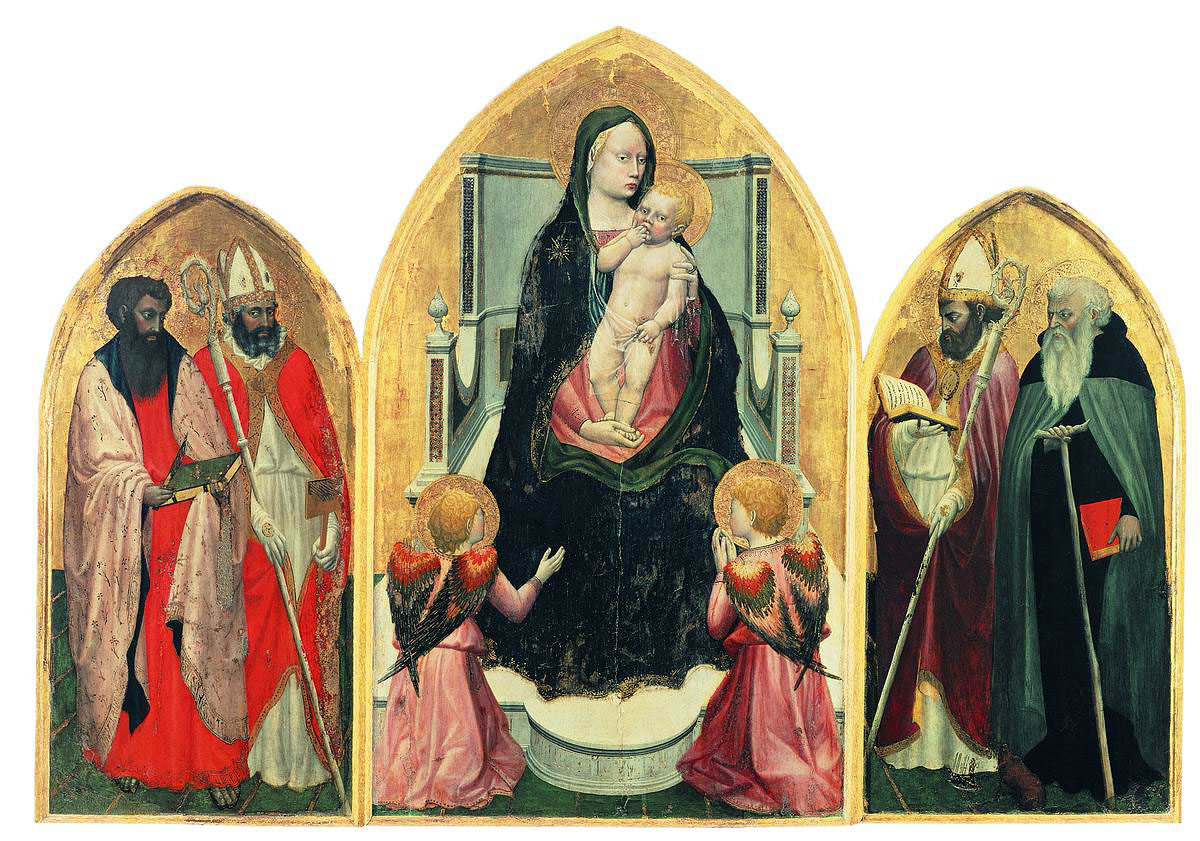
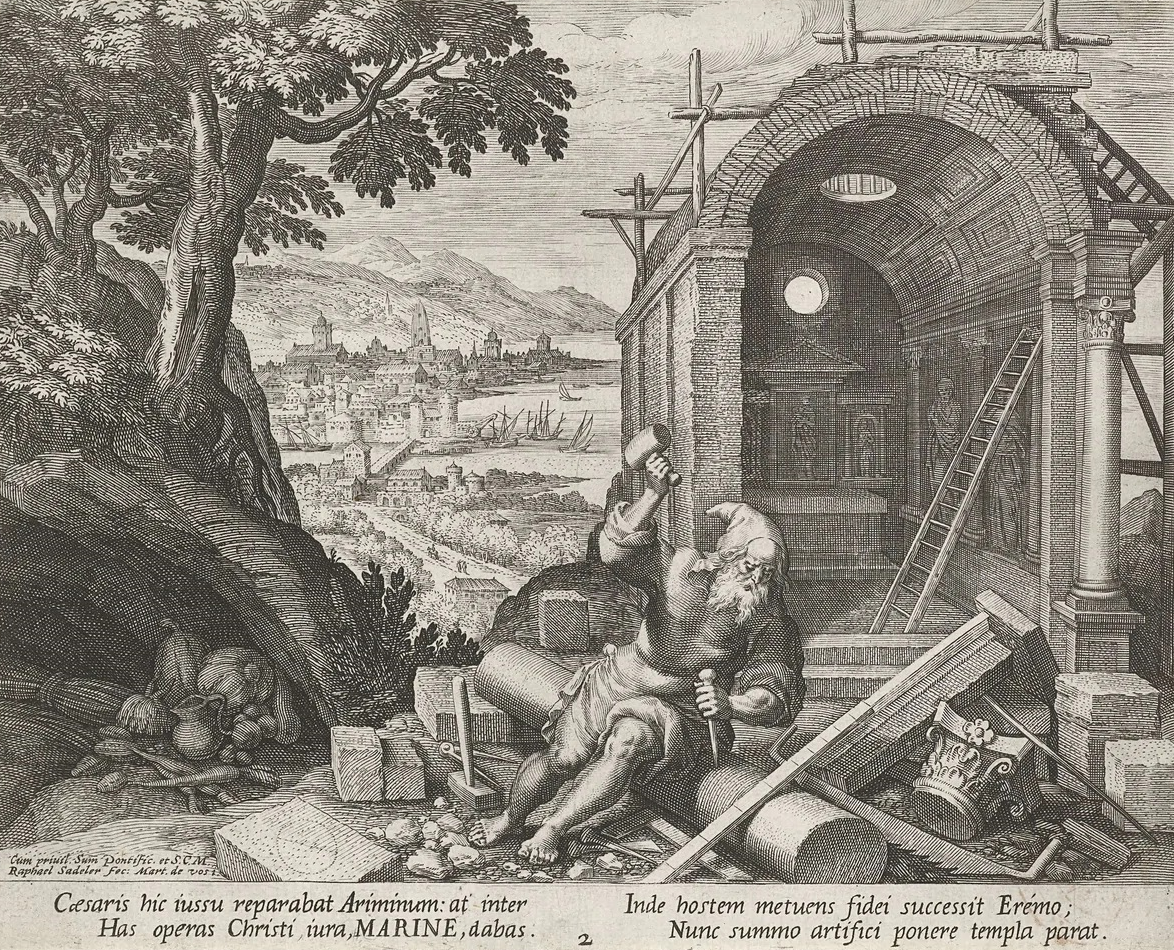


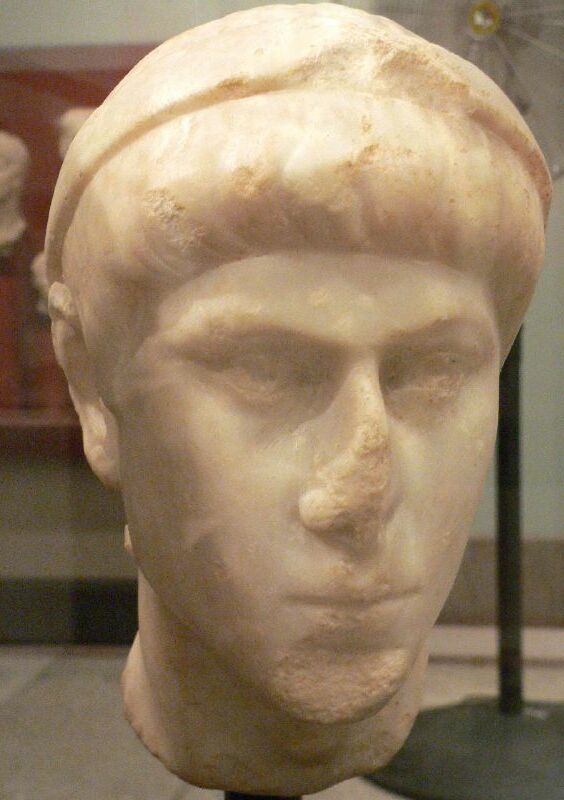
Roman Empire: succession, war and religion
In the Roman realm the decade is distinguished by a succession of emperors and by a strong religious dimension to politics. Constantius II died in 361; his successor, the emperor Julian, pursued a program of pagan restoration and philosophical renewal while ruling as a committed Hellenistic thinker. Julian led a major campaign against the Sasanian Empire in Persia and was killed on that campaign in 363. His death precipitated a short reign by Jovian and then the elevation of Valentinian I (364), who appointed his brother Valens as co‑emperor for the East, reshaping imperial administration for the rest of the century.
Conflict with Sasanian Persia
The Roman–Sasanian frontier remained a central international issue. Julian's Persian expedition tested Persian defenses and logistical limits of Roman campaigning in Mesopotamia. After Julian's death, Rome negotiated with the Sasanian king Shapur II and accepted a negotiated settlement that adjusted eastern borders and ensured a temporary cessation of large‑scale hostilities.
East Asia and other regions
In northern China the Sixteen Kingdoms era continued: short‑lived states, migrations and military upheaval defined politics, while southern China preserved remnants of Jin dynasty authority. Across South Asia and the Indian subcontinent, regional polities such as the Gupta realm consolidated power and patronized culture and trade. In Mesoamerica and elsewhere complex societies advanced independent trajectories of urbanism and ritual life.
Religion, culture and legacy
The decade reflected broader religious contestation: disputes between Arian and Nicene Christians, imperial interventions in church affairs, and Julian's explicit program to revitalize traditional polytheism and the cultural institutions that supported it. Intellectual life remained lively—philosophy, theology and administration intersected with military and diplomatic challenges. The events of the 360s accelerated institutional realignments that shaped Late Antiquity: altered imperial structures, new religious settlements, and evolving frontier dynamics with long‑term consequences for Europe and Asia.
- Rapid imperial turnover in Rome and the rise of Valentinian I (364).
- Julian's pagan revival and fatal Persian expedition (d. 363).
- Ongoing fragmentation and consolidation in northern China during the Sixteen Kingdoms.
- Continued prominence of Sasanian Rome conflicts and negotiated settlements.
Author
AlegsaOnline.com The 360s (AD 360–369): imperial change and religious conflict Leandro Alegsa
URL: https://en.alegsaonline.com/art/133887