
27 Club (Musicians Who Died at Age 27)
The 27 Club refers to a cultural list of famous musicians and artists who died at age 27. It explores notable members, origins of the idea, explanations, criticism and the cultural legacy.
The "27 Club" is a popular label for a loosely defined set of prominent musicians, singers and artists who died at the age of 27. The roster is not fixed; different lists include different people and sometimes extend beyond music to actors and other creatives. The idea captures public attention because several high-profile, influential artists died young and at the same age, prompting discussion about fame, substance use, mental health and the pressures of creative careers. See more about musicians here: musicians.
Image gallery
10 Images


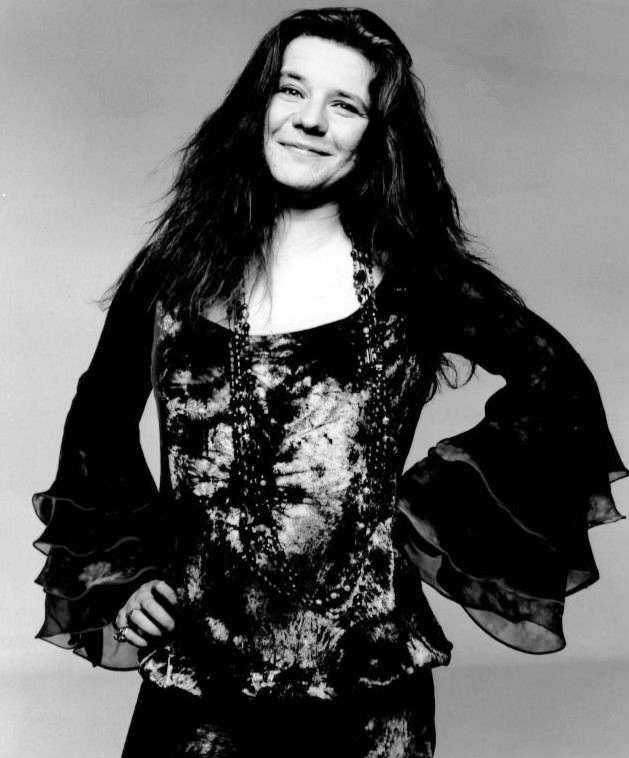

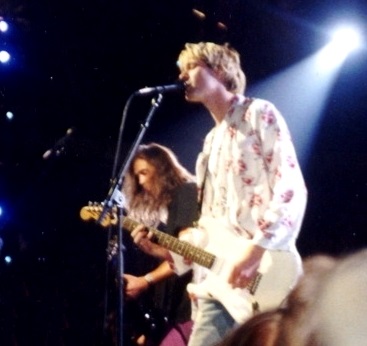


Notable figures
- Several legendary rock and blues performers from the late 1960s and early 1970s are commonly cited as early members of the club.
- Later additions often include major artists who died in the 1990s and 2000s and whose deaths drew intense media attention.
- Lists vary, but a handful of widely recognized names appear repeatedly in popular accounts.
Origins and cultural impact
The notion of the 27 Club emerged from media and fan discussions after a cluster of high-profile deaths became linked by age. Over time it has become a cultural reference used in articles, documentaries and artistic works. The label speaks to broader anxieties about youthful genius, rock lifestyle excesses and sudden loss of talent.
Explanations and criticism
Explanations offered for the pattern include substance misuse, mental health struggles, the stresses of fame and risky lifestyles associated with touring and performing. Researchers and skeptics caution against reading too much into the age alone: statistical analyses suggest no clear, anomalous spike at 27 once wider data are considered. The cluster effect is often attributed to coincidence combined with selective attention to famous cases.
Legacy
Whether treated as myth, meaningful pattern or media shorthand, the 27 Club has influenced how fans and historians remember lost artists. It has spurred reflections on prevention, mental health support for creatives, and the responsibilities of the music industry and media in responding to vulnerable performers.
Author
AlegsaOnline.com 27 Club (Musicians Who Died at Age 27) Leandro Alegsa
URL: https://en.alegsaonline.com/art/133860