
24th century BC: Early Bronze Age societies and the rise of states
Overview of the 24th century BC (2400–2301 BC), its major regions, technological and social developments, and notable cultural and political changes during the Early Bronze Age.
Overview
The 24th century BC spans the years 2400 to 2301 BC and falls in the broader Early Bronze Age. It was a period of urban consolidation, expanding trade networks, and increasing complexity of political institutions across several regions of Eurasia. Written records survive in some areas, permitting modern historians to trace the growth of cities, administrative systems, and early states.
Image gallery
2 Images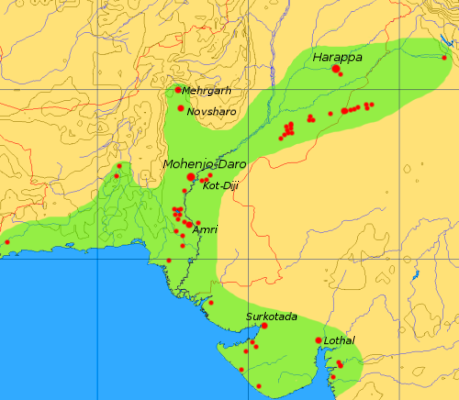
Major regions and developments
- Mesopotamia: City-states continued to be important centres of power. Traditions and later accounts link this era to the rise of territorial empires in the late 24th–early 23rd centuries.
- Egypt: The Old Kingdom period of pharaonic rule continued, with royal administration and monumental building projects sustaining centralized authority.
- Indus Valley: The Mature Harappan cities show planned streets, large public buildings and standardized weights, indicating advanced urban life and commerce.
- East Asia and Europe: Late Neolithic and early Bronze Age cultures, such as those on the Chinese plains and in the Aegean-Cycladic region, developed metallurgy and local trade networks.
Economy, technology and society
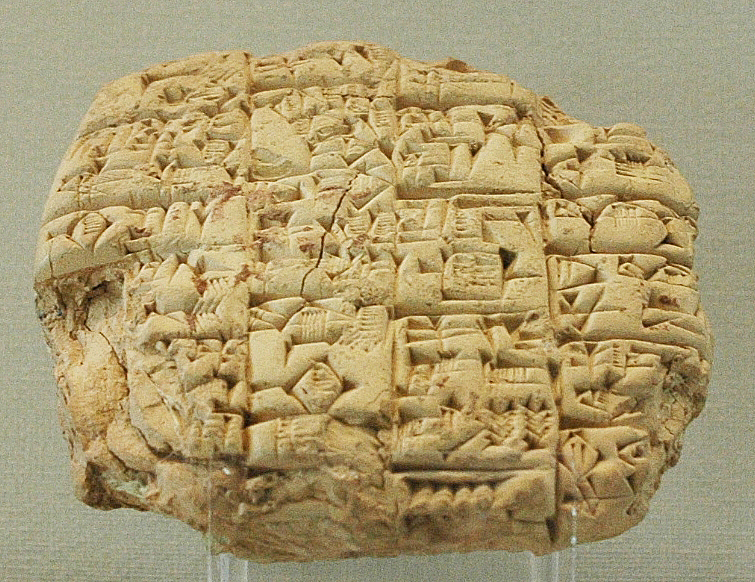
Bronze metallurgy became widespread, supporting tools, weapons and prestige goods. Agriculture relied on irrigation in river valleys and supported growing urban populations. Writing systems (cuneiform in Mesopotamia; hieroglyphic traditions in Egypt) were used for administration, trade and religious texts, helping to formalize record keeping and law.
Importance and legacy
The century witnessed the maturation of institutions that shaped later Bronze Age civilizations: centralized governments, standing administrative elites, and long-distance exchange of raw materials and finished goods. Archaeological and textual evidence from this period is a key source for understanding the emergence of states and the social transformations of the third millennium BC.
Author
AlegsaOnline.com 24th century BC: Early Bronze Age societies and the rise of states Leandro Alegsa
URL: https://en.alegsaonline.com/art/133849