
23rd century BC
Period from 2300 BC to 2201 BC during the late Early Bronze Age, marked by complex urban states in Mesopotamia, the Indus Valley, and Egypt, significant technological developments, and climatic stresses.
Overview
The 23rd century BC covers the years 2300 BC to 2201 BC. It falls within the late Early Bronze Age, when large city-states, long‑distance trade, and early writing systems were well established across parts of Africa and Eurasia. Political power was concentrated in palace and temple elites, and regional empires and chiefdoms competed for resources and prestige.
Image gallery
1 Image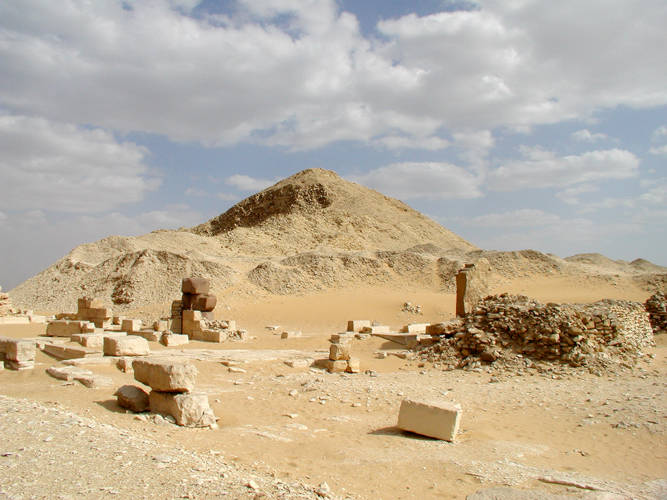
Major cultures and polities
Several well‑known civilizations were active during this century. In Mesopotamia, Akkadian rulers and their successors exercised influence over Sumerian city‑states; royal inscriptions and monumental reliefs from this region date to the early to mid 3rd millennium BCE. Ancient Egypt continued the Old Kingdom traditions of central administration and monumental construction. The Indus Valley urban centers such as Harappa and Mohenjo‑Daro remained important hubs of craft production and trade. Across Anatolia, the Levant, and the Iranian plateau, local states and trading communities linked these centers.
Technology, economy and society
Bronze metallurgy, wheeled vehicles, standardized weights, and irrigation agriculture underpinned expanding economies. Writing systems—cuneiform in Mesopotamia and hieroglyphic in Egypt—were used for administration, legal records, and monumental texts. Artisans produced pottery, seals, and luxury goods that circulated along trade routes; agricultural surpluses supported urban populations and specialized crafts.
Climate, stress and transitions
Evidence from paleoclimate and archaeology indicates environmental pressures toward the end of the third millennium BCE. A period of increasing aridity and instability around 2200 BCE is associated with disruptions in several regions, contributing to migrations, political fragmentation, and transformations in settlement patterns. These processes unfolded unevenly and interacted with local political and economic factors.
Notable developments and legacy
Key legacies of the century include expanded bureaucratic practices, monumental art and architecture, and the spread of interregional exchange networks that shaped later Bronze Age polities. Archaeological remains from this period—inscriptions, city plans, and material culture—are primary sources for our understanding of early state formation and long‑distance commerce.
Quick facts
- Time span: 2300 BC–2201 BC.
- Context: late Early Bronze Age with urban societies and developing empires.
- Major themes: state administration, metallurgy, trade, and climatic stress.
For further reading and reference materials on chronology and regional histories of this era, consult specialized texts and databases that collate archaeological and textual evidence from the Mediterranean and Near East.
Author
AlegsaOnline.com 23rd century BC Leandro Alegsa
URL: https://en.alegsaonline.com/art/133845