
22nd century BC (c. 2200–2101 BCE)
Century from 2200 to 2101 BCE marked by climatic stress, regional political upheavals in the Near East and Egypt, shifts in Bronze Age societies, and important changes in urban and trade networks.
Overview
The 22nd century BC covers the years roughly between 2200 and 2101 BCE. It is notable for widespread regional transitions rather than a single dominant empire. During this period many early Bronze Age states and urban centers experienced stress, reorganization, or decline, while writing systems such as cuneiform and Egyptian hieroglyphs continued to record administration, trade and ritual.
Image gallery
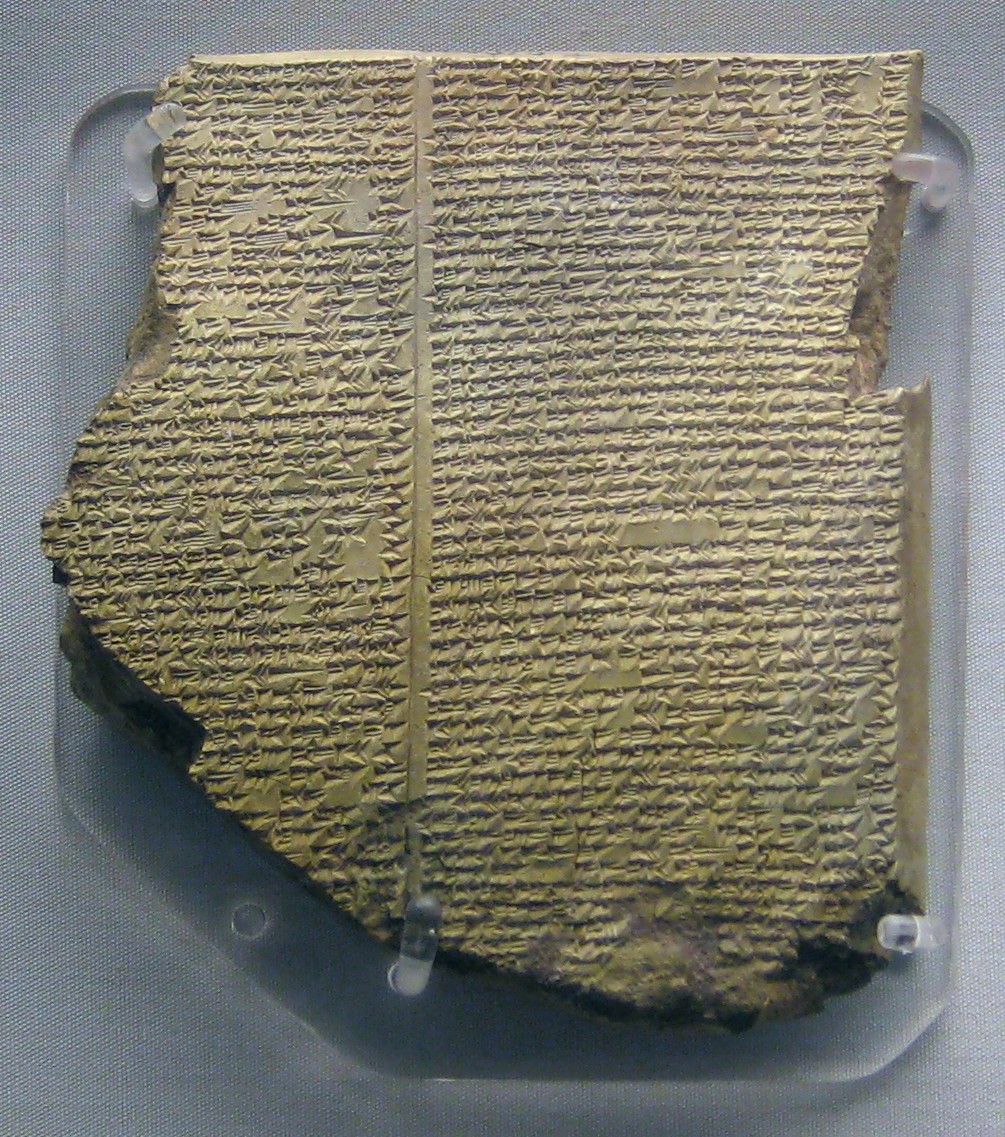
2 Images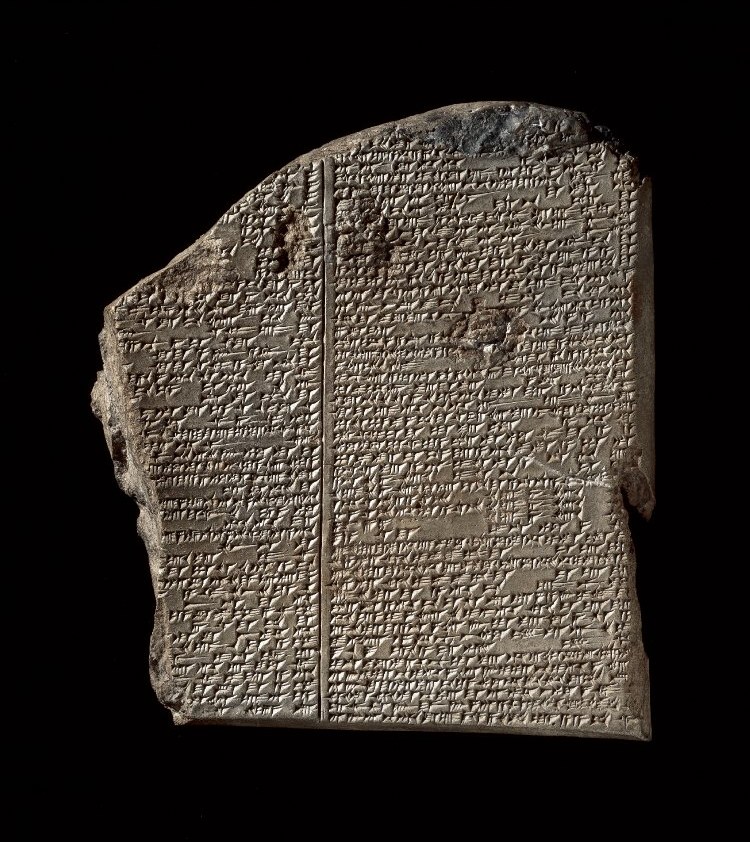
Regional developments
Different parts of the Old World saw distinct but sometimes related changes:
- Mesopotamia: Political fragmentation and the movement of peoples affected city-states and kingdoms. Power shifted between competing polities and some earlier imperial structures broke down.
- Egypt: The late Old Kingdom underwent weakening of central authority and decentralization, a transition often associated with the onset of the First Intermediate Period in later traditional chronologies.
- Indus Valley: Certain urban centers of the Mature Harappan tradition show signs of decline, local demographic shifts and changes in craft and trade patterns.
- Europe and the Aegean: Bronze Age societies continued to develop long-distance exchange networks in metals and raw materials, with varied local trajectories across the Mediterranean and continental Europe.
These regional stories were not isolated: trade in metals, textiles and ceramics linked many centers, and innovations in administration and craft production adapted to new circumstances.
Society and technology in this century were shaped by established Bronze Age practices—bronze metallurgy, irrigation agriculture, monumental stone and mud-brick construction, and literate bureaucracies in some states. Local artistic traditions and religious practices evolved alongside changing political realities.
Climate and environmental factors are also emphasized by modern research. A pronounced period of aridity and cooling, sometimes called the 4.2 kiloyear event, has been proposed as a contributing factor to agricultural stress, population movements and the disruption of long-distance trade routes during and after this century. While the precise effects varied regionally, environmental change likely amplified existing political and economic pressures.
Legacy: The transformations of the 22nd century BC set the stage for new political formations, legal and administrative experiments, and cultural continuities that shaped the early to middle Bronze Age in subsequent centuries. Archaeological and textual evidence from this era remains central to understanding the development of early states and interregional connectivity.
Author
AlegsaOnline.com 22nd century BC (c. 2200–2101 BCE) Leandro Alegsa
URL: https://en.alegsaonline.com/art/133837