
2021 Formula One World Championship
The 72nd FIA Formula One season, 2021 featured a protracted title fight between Max Verstappen and Lewis Hamilton, new sprint events, several driver changes and a controversial finale in Abu Dhabi.
Overview
The 2021 FIA Formula One World Championship was the 72nd edition of the highest class of single-seater motor racing. The season ran through a full calendar of Grands Prix and produced one of the closest and most talked-about title contests in modern F1 history. Max Verstappen secured his first World Drivers' Championship, while Mercedes continued to dominate the team standings.
Image gallery
10 Images



Teams, drivers and notable changes
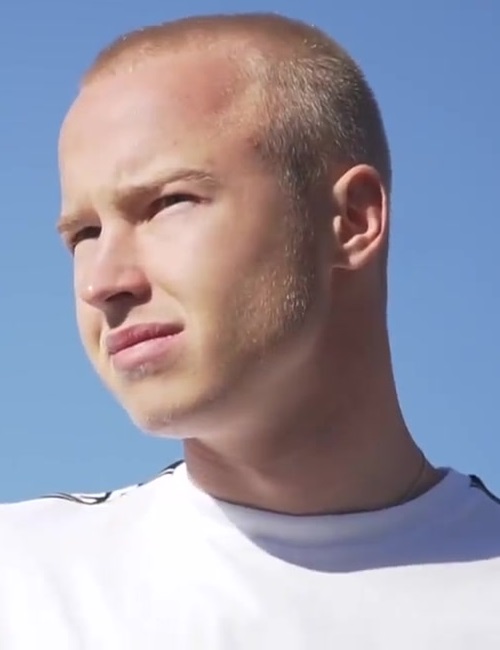
The grid combined established lineups and several high-profile moves. Key driver changes for 2021 included Sergio Pérez joining Red Bull Racing, Sebastian Vettel driving for Aston Martin, Daniel Ricciardo moving to McLaren, and Fernando Alonso returning to the sport with Alpine. Three rookies—Mick Schumacher, Nikita Mazepin and Yuki Tsunoda—entered the championship and several teams consolidated development from the previous seasons.
- Top title contenders: Max Verstappen (Red Bull) and Lewis Hamilton (Mercedes)
- Constructors: Mercedes, Red Bull, Ferrari, McLaren, Alpine, Aston Martin and others
- Rookies and returns: Schumacher, Mazepin, Tsunoda, and Alonso's comeback
Format and regulation highlights
The 2021 season largely carried over technical regulations from 2020 as the wholesale aerodynamic and chassis rule changes were deferred to 2022. A notable procedural change was the introduction of the sprint qualifying format at selected events, a shorter race held on Saturday that determined the grid for the main Grand Prix and awarded a small number of championship points.
Season narrative and controversies
The championship developed into a season-long duel with multiple on-track incidents and strategic battles. Several races produced dramatic moments, penalties and collisions that influenced the points battle. The title was ultimately decided at the final round in Abu Dhabi, where race management decisions during a late safety-car period provoked widespread debate, an FIA review and subsequent changes to race-officiating procedures.
Importance and legacy
Beyond the championship result, 2021 is remembered for reigniting conversations about sporting fairness, officiating transparency and the balance of competition between teams. The season's controversies led to procedural reforms and a renewed focus by the FIA and teams on governance and the consistency of race control. On the sporting side, Verstappen's title marked a generational shift at the very top of the sport.
Further notes
Races were held across multiple continents from spring through late autumn, with circuits ranging from traditional venues to newer or modified layouts. The season also underscored F1's expanding global profile and commercial growth as it prepared for the major technical regulation overhaul implemented in 2022.
Author
AlegsaOnline.com 2021 Formula One World Championship Leandro Alegsa
URL: https://en.alegsaonline.com/art/133803