
2020 Easter tornado outbreak
A violent tornado outbreak struck the southeastern United States on April 12–13, 2020, producing numerous tornadoes, major power outages, and at least 30 deaths; it was the deadliest U.S. outbreak since April 2014.
Overview
On April 12–13, 2020 a widespread sequence of destructive tornadoes swept across parts of the southeastern United States during the Easter period. The event unfolded over Easter weekend, beginning on Easter Sunday and continuing into Monday, and prompted numerous forecasts, watches, and warnings. Authorities issued a total of 15 tornado watches during the outbreak; two of those watches were flagged as Particularly Dangerous Situations because of the elevated threat to life and property.
Image gallery
10 Images



Meteorological background
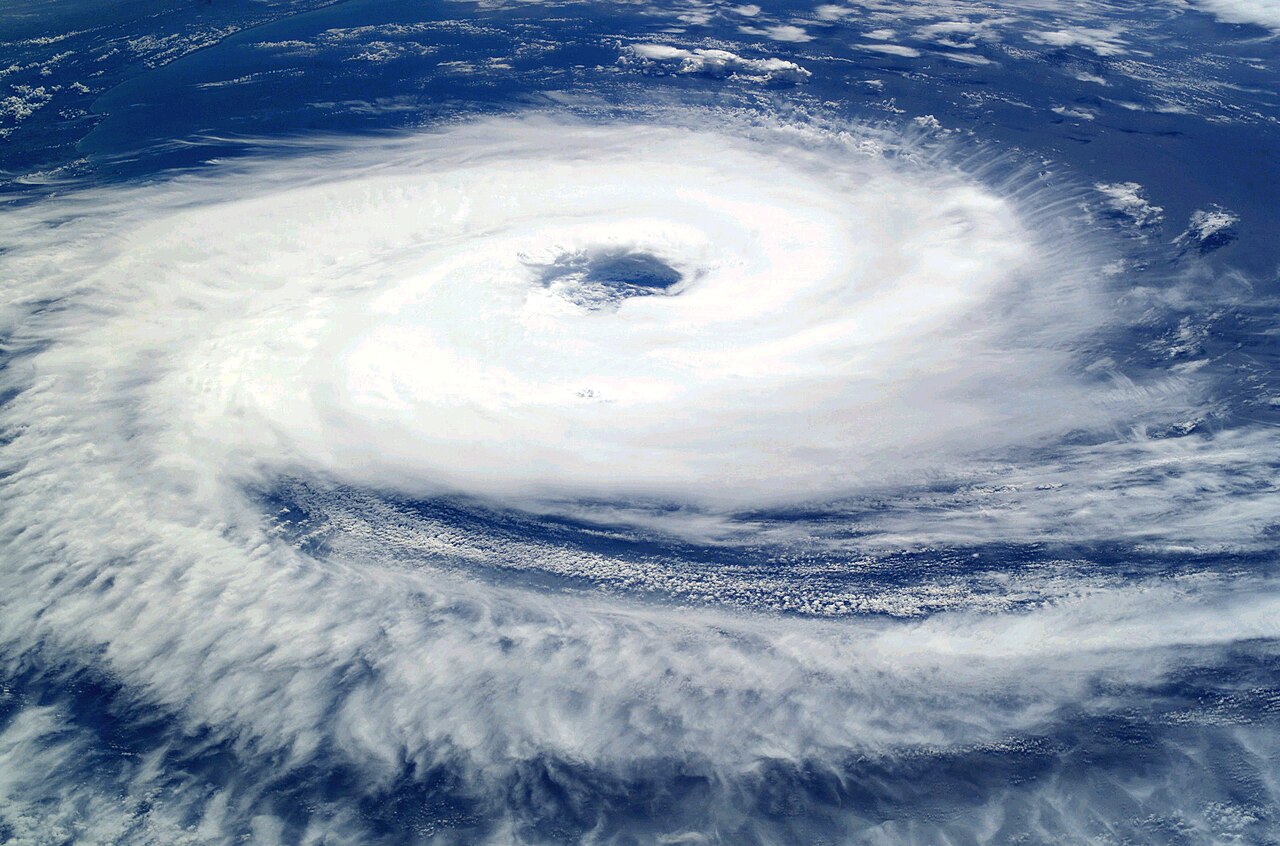
The outbreak was produced by a strong, slow-moving frontal system interacting with warm, moist air from the Gulf of Mexico and pronounced wind shear in the lower and mid-levels of the atmosphere. Those conditions favor rotating thunderstorms capable of producing tornadoes. While specifics of radar signatures and individual storm tracks varied by locality, the combination of instability, humidity, and shear is a common setup for severe springtime outbreaks in the American Southeast.
Watches, warnings, and terminology
A tornado watch indicates conditions are favorable for tornado development over a broad area; a tornado warning is issued when a tornado is imminent or occurring in a more localized region. A "Particularly Dangerous Situation" (PDS) watch or warning is reserved for especially high-confidence scenarios where long-track, intense tornadoes are expected. During this outbreak, forecasters used these products to communicate the urgency of the threat to emergency managers and the public.
Impacts and aftermath
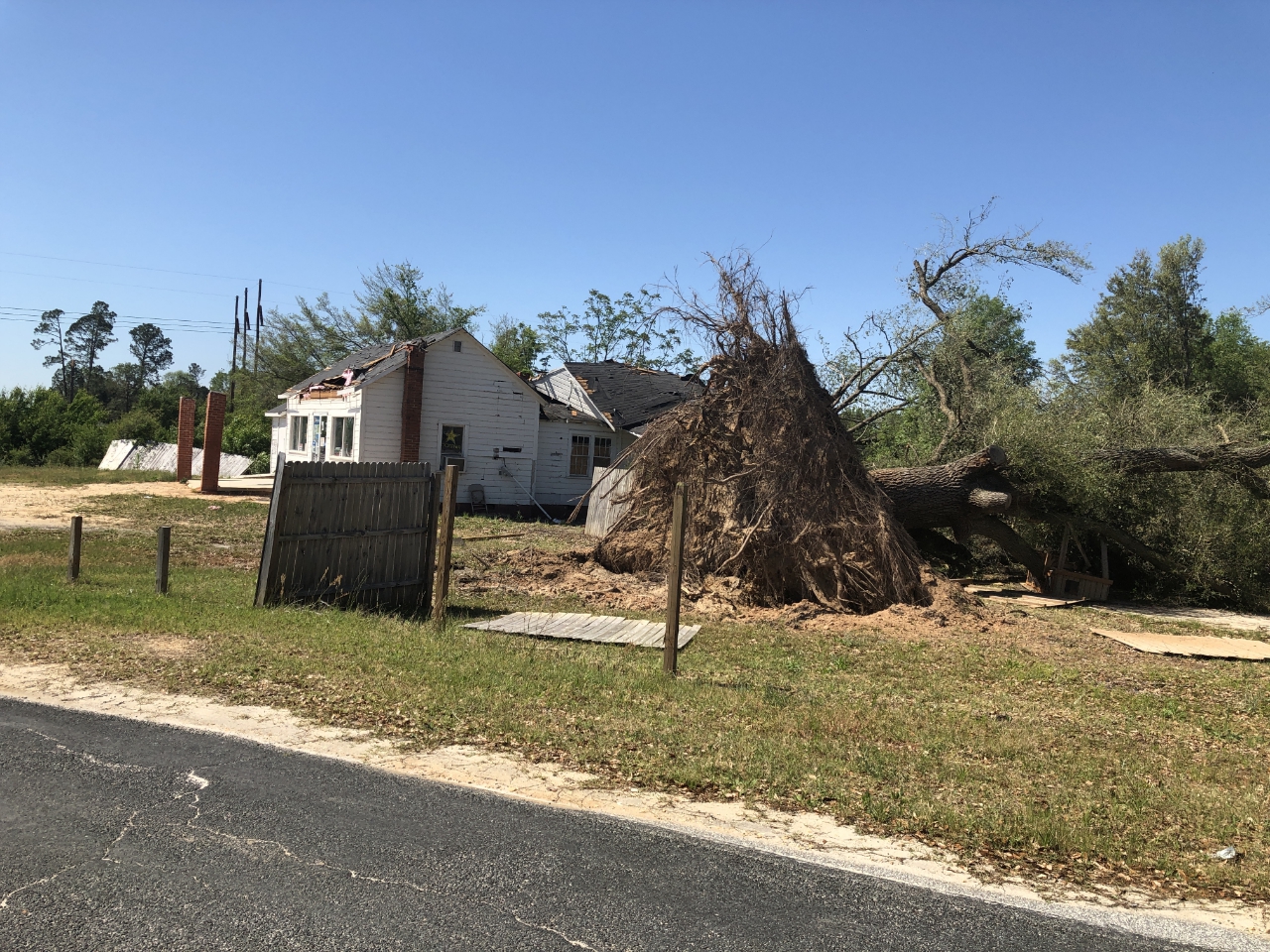
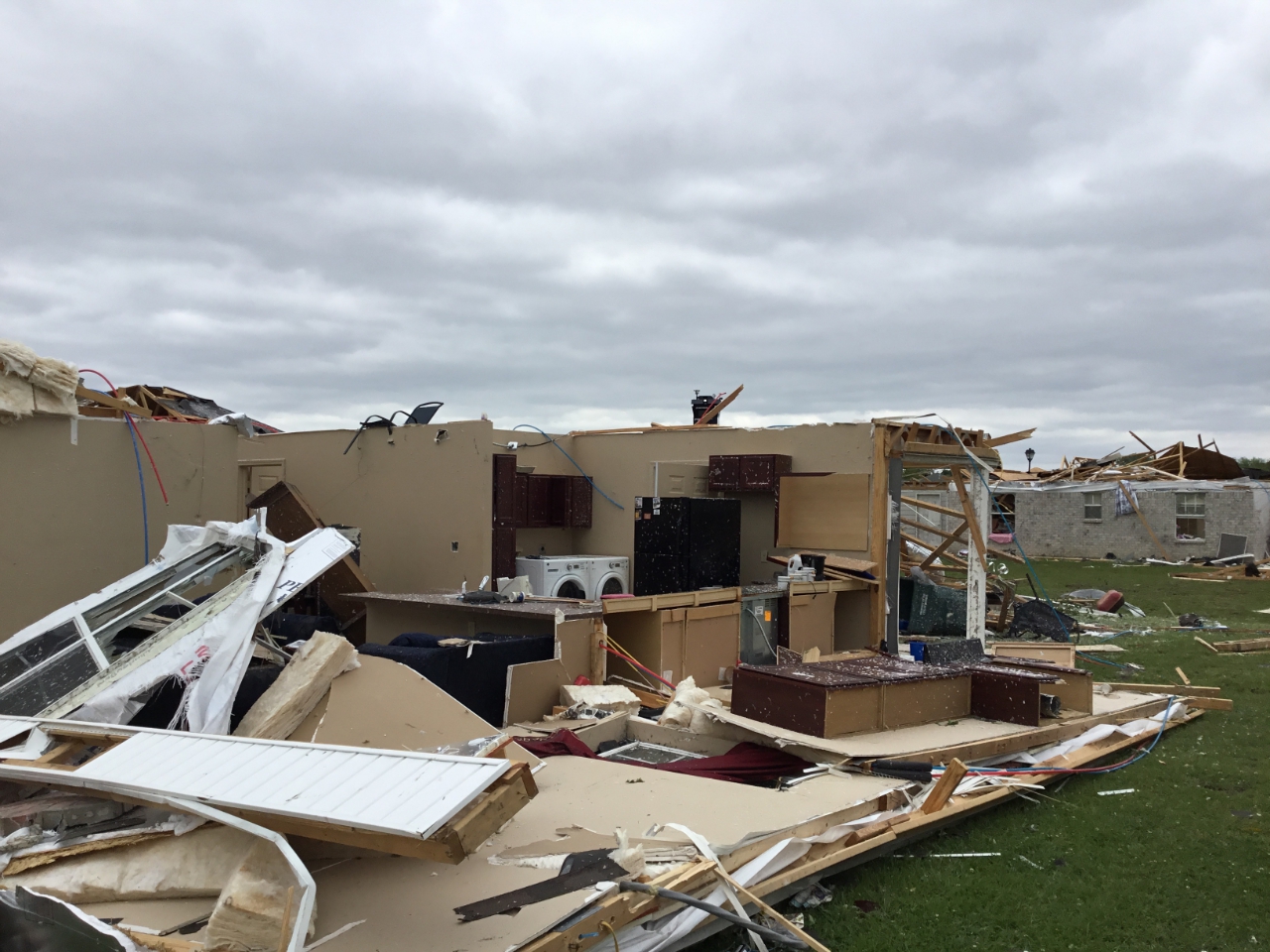
The outbreak resulted in at least 30 reported fatalities and significant damage to homes, businesses, and infrastructure. Electric utilities reported widespread outages that affected nearly 1.3 million customers at the peak, disrupting communications and complicating recovery efforts. Local, state, and federal emergency services carried out search, rescue, and debris-clearance operations in the days following the storms.
Significance and context
In terms of human toll, the 2020 Easter outbreak was the deadliest U.S. tornado event since the multi-day outbreak in April 2014. It is part of the seasonal pattern of severe weather that impacts the Southeast in spring, and it highlighted challenges in rapid sheltering and disaster response—complicated in 2020 by the concurrent public-health measures related to the COVID-19 pandemic.
Notable facts
- The outbreak included multiple tornado-producing supercells and squall-line storms.
- Emergency communications emphasized timely warnings and community sheltering.
- Recovery involved coordination among utilities, emergency responders, and relief organizations.
Author
AlegsaOnline.com 2020 Easter tornado outbreak Leandro Alegsa
URL: https://en.alegsaonline.com/art/133779