
2020 Belarusian presidential election
The 9 August 2020 presidential election in Belarus produced disputed official results, nationwide protests and international condemnation, marking a major political crisis in the country.
Overview
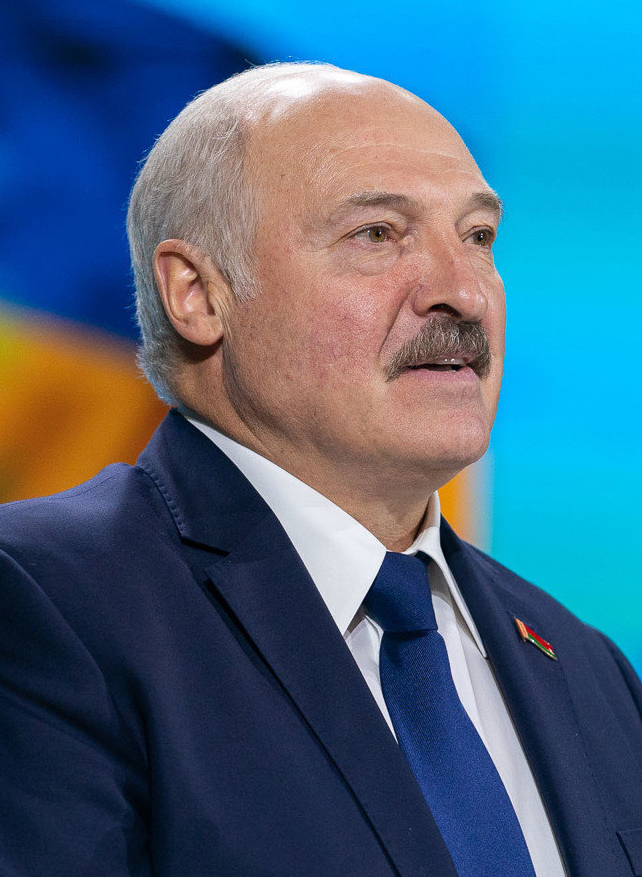
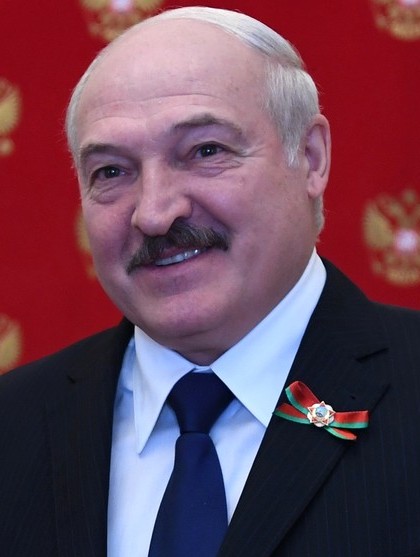
The presidential election in Belarus took place on 9 August 2020. Incumbent president Alexander Lukashenko, in power since 1994, was officially declared the winner and claimed another term. The most prominent challenger was Sviatlana Tsikhanouskaya, who emerged as a unifying opposition candidate after several other opposition figures were arrested, barred from running, or went into exile.
Image gallery
10 Images


Electoral process and environment
The campaign unfolded in a tightly controlled political environment. State media coverage heavily favored the incumbent, while many opposition rallies faced restrictions. Authorities organised early voting and used administrative resources that critics said advantaged the ruling authorities. International election monitoring was limited and domestic observers and independent media reported procedural irregularities.
Results, dispute and key actors
Belarusian election authorities announced a decisive victory for Lukashenko. Opposition leaders and many voters rejected the official tally, alleging widespread fraud. Sviatlana Tsikhanouskaya and other opposition figures called for verification or a rerun. In response to the disputed outcome, activists formed coordination structures to press for a transfer of power and to organise protests.
Protests and state response
The declaration of results triggered sustained, large-scale demonstrations in Minsk and other cities. Protesters used peaceful marches, strikes and social-media organisation to maintain pressure. Security forces responded with mass detentions, use of force, and a series of criminal prosecutions; independent reports documented harsh treatment of many detainees. Access to the internet and some messaging services was intermittently restricted during the unrest.
International reaction and consequences
Governments and international organisations expressed concern over the conduct of the vote and the post-election crackdown. Several states and regional bodies condemned the violence and signalled non-recognition of the official result, imposing targeted sanctions on Belarusian officials. Russia, by contrast, maintained closer ties and provided political and economic support to Minsk.
Significance
The 2020 election precipitated the most sustained political crisis in Belarus in decades. It exposed deep public discontent with long-term rule, energised civil society and opposition movements, and produced lasting diplomatic frictions. The events of and following 9 August remain a central reference point in discussions about democracy, human rights and the future trajectory of Belarusian politics.
- Main date: 9 August 2020
- Principal opposition figure: Sviatlana Tsikhanouskaya
- Aftermath: Protests, arrests, and international responses
For official documents and further procedural details see official sources.
Author
AlegsaOnline.com 2020 Belarusian presidential election Leandro Alegsa
URL: https://en.alegsaonline.com/art/133771