
2018 Sunda Strait tsunami
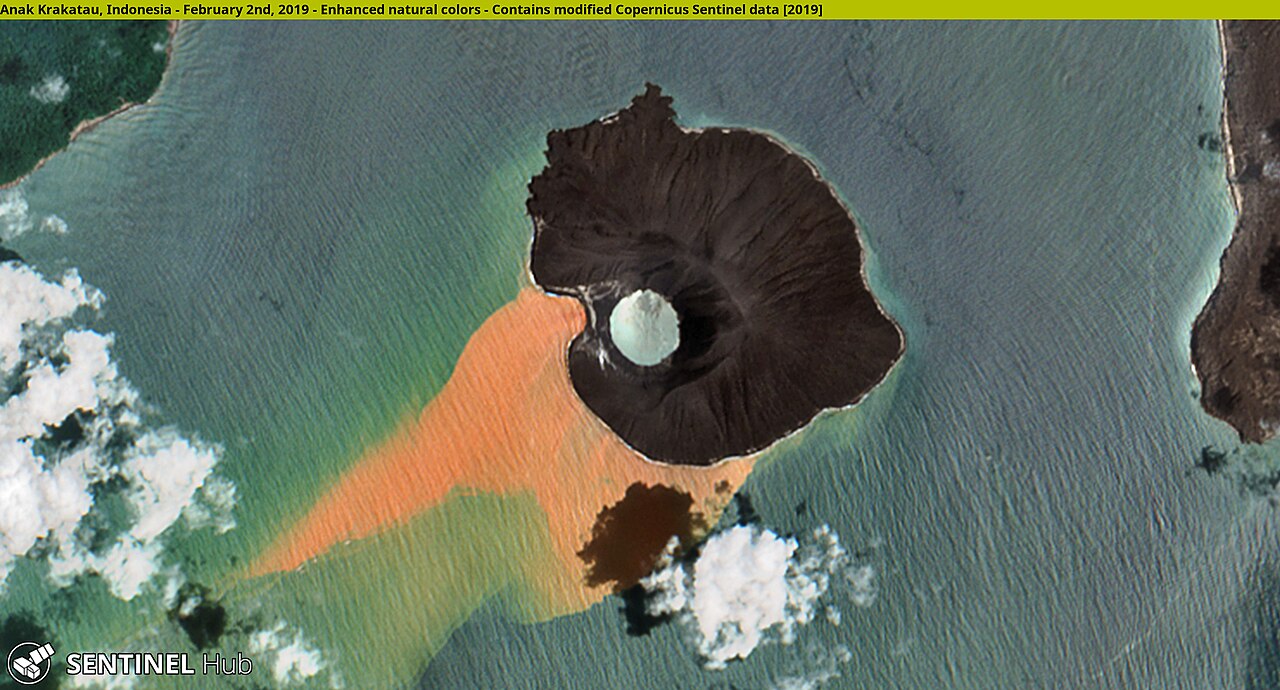
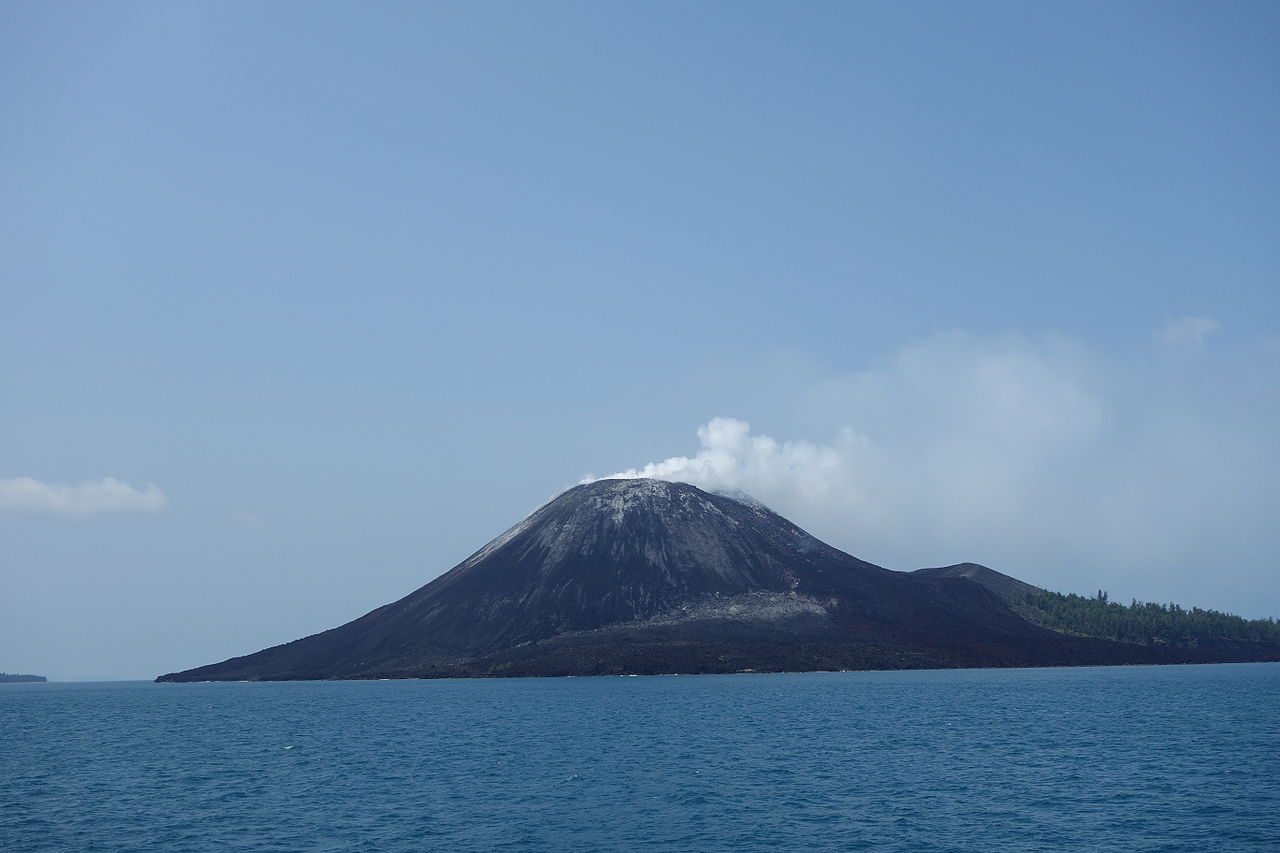
A tsunami on 22 December 2018 caused by an eruption and partial collapse of Anak Krakatau struck coasts of Banten and Lampung, Indonesia. Hundreds died, many were injured, and thousands were displaced.
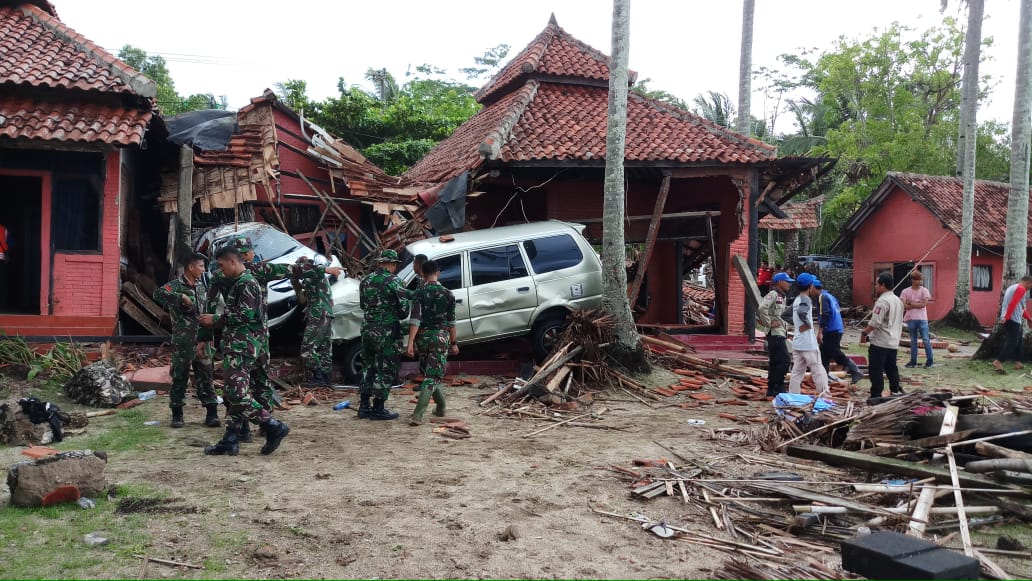
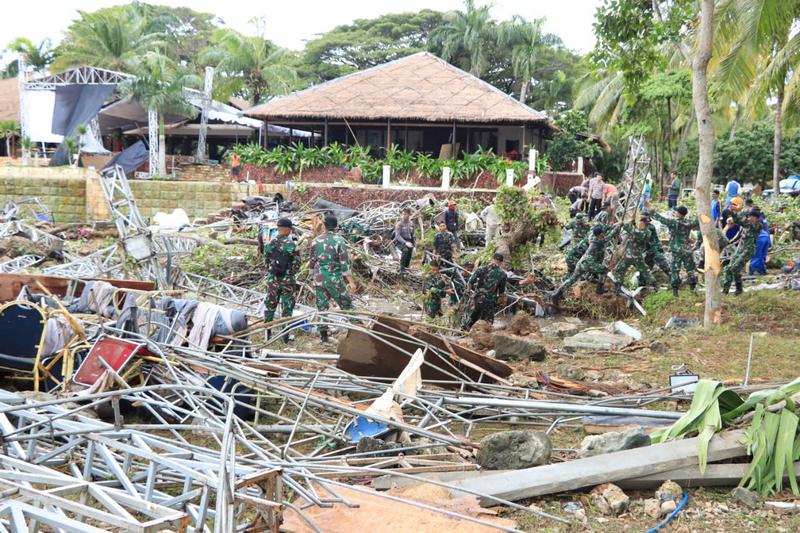
On the evening of 22 December 2018 a sudden tsunami struck the coastal districts around the Sunda Strait. The event primarily affected shorelines in the provinces of Banten and Lampung in western Java and southern Sumatra, Indonesia. Official reports recorded at least 281 people killed and 1,016 injured, with many more homes and tourist facilities damaged.
Image gallery
8 Images



Cause and geologic background
The tsunami was linked to eruptive activity at Anak Krakatau, the volcanic island in the Sunda Strait. Scientists concluded that a flank collapse and subsequent undersea landslides, triggered by volcanic explosions and rapid removal of material, displaced seawater and generated the waves. This mechanism—volcanic collapse and submarine mass movement—differs from tsunamis produced by large tectonic earthquakes.
Where and how the waves struck
Waves reached several coastal communities along both sides of the strait. The most affected administrative areas included:
- Banten province — coastal tourism and fishing villages on the southern shore of Java.
- Lampung province — beaches and settlements on the northern shore of Sumatra.
At some locations wave heights were reported as reaching several metres, sweeping inland and damaging structures that face the sea. The event occurred at night, contributing to confusion and higher casualties.
Detection, warning and response
The tsunami highlighted limitations in regional early-warning arrangements. Because the triggering process was a volcanic collapse and underwater landslide rather than a large earthquake, seismic-based tsunami alarms were not activated in time. Emergency services, local communities, and volunteers carried out rescue, recovery and evacuation operations; national and international news organizations provided ongoing coverage and situational updates throughout the response.
Consequences and significance
Beyond the immediate human toll, the 2018 Sunda Strait tsunami prompted reviews of tsunami detection and coastal preparedness in Indonesia and elsewhere. Authorities increased emphasis on monitoring volcanic islands, ocean floor stability, and real-time sea-level and tide-gauge data, and on broadening public education so people can respond to natural cues when formal warnings are absent.
Notable distinctions
This disaster is often cited in scientific and disaster-management literature as a prominent recent example of a tsunami initiated by volcanic activity and submarine landslides rather than by a major tectonic quake. It underscored the complex interactions among volcanic processes, slope stability, and marine hazards, and it remains a case study for improving multi-hazard early warning systems.
Author
AlegsaOnline.com 2018 Sunda Strait tsunami Leandro Alegsa
URL: https://en.alegsaonline.com/art/133737