
2009 Pacific typhoon season
Overview of tropical cyclone activity in the Western North Pacific in 2009, including naming practices, notable storms (Ketsana, Parma, Morakot), impacts and seasonal characteristics.
Overview
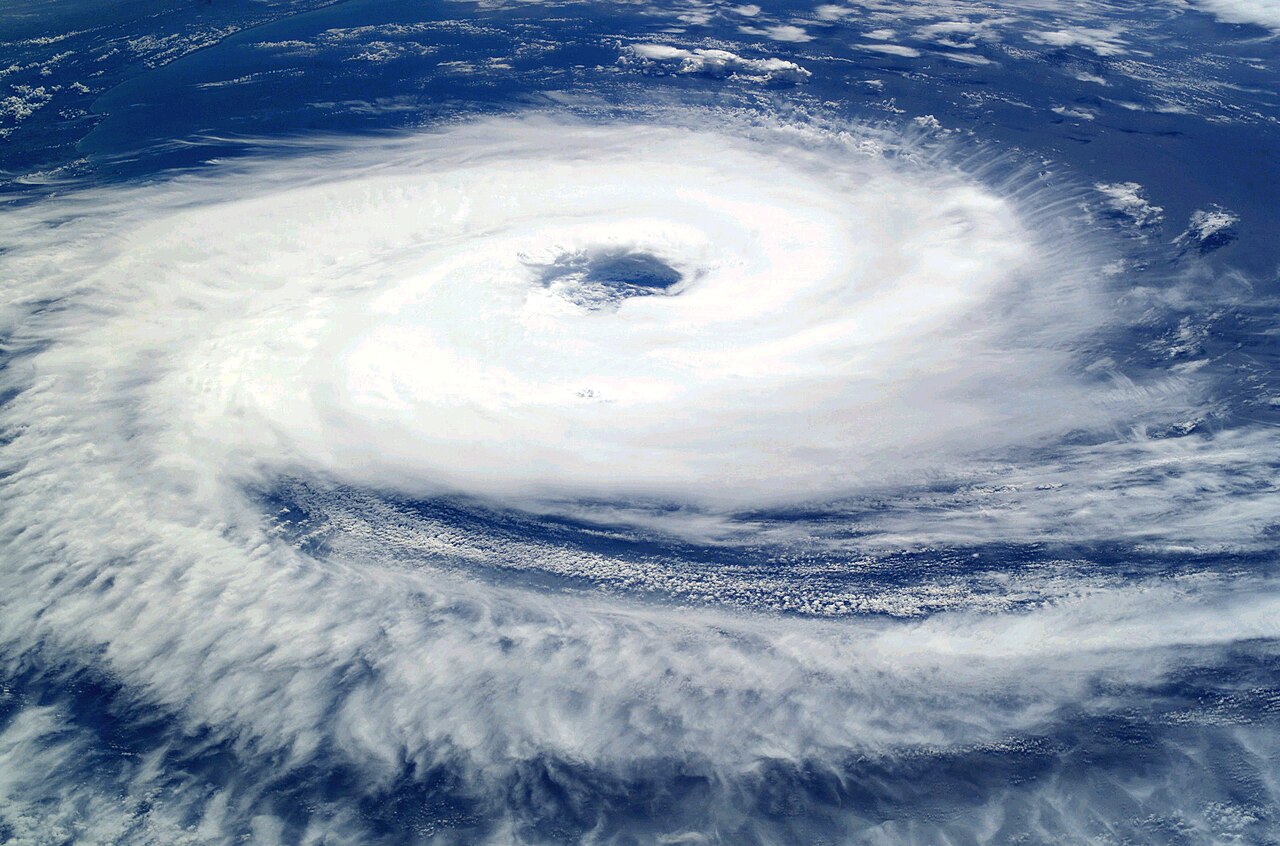
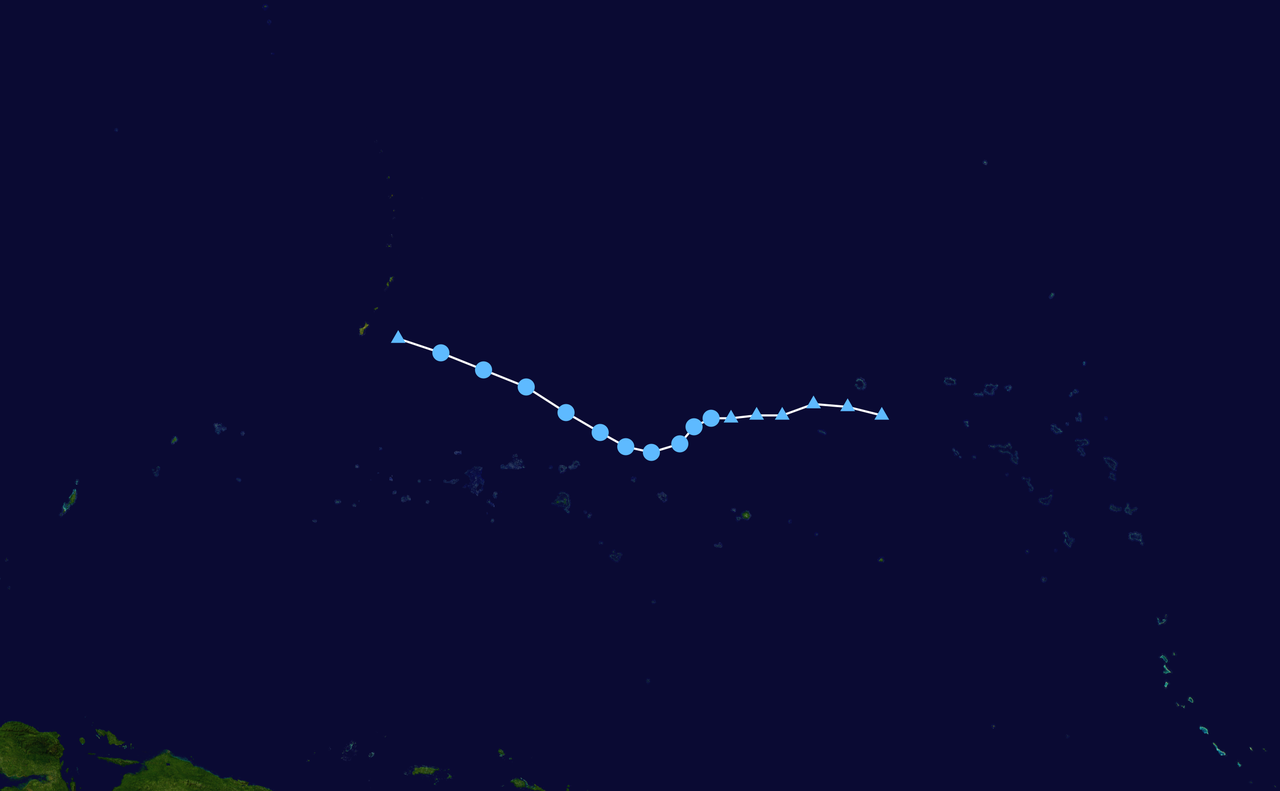
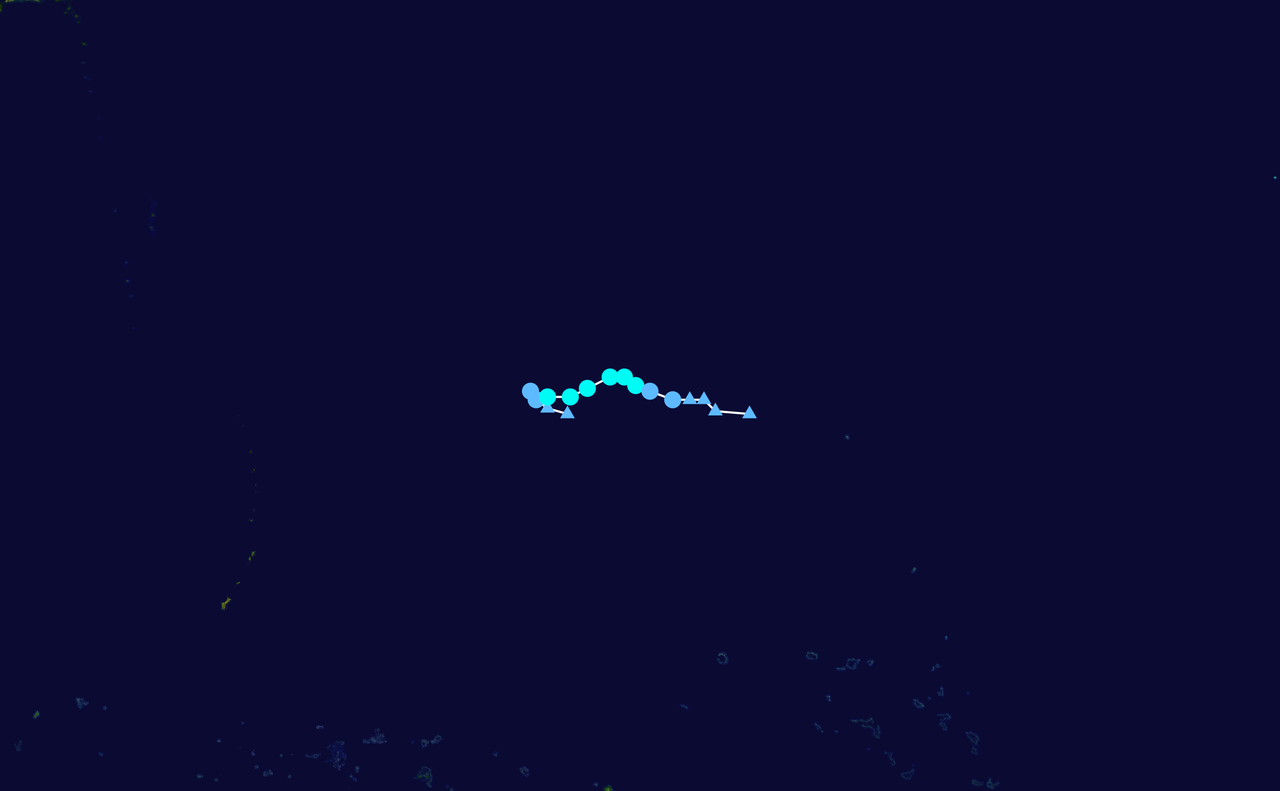
The 2009 Pacific typhoon season refers to tropical cyclone activity in the Western North Pacific basin during the calendar year 2009. Tropical disturbances form year-round in this basin, but activity typically peaks between late spring and autumn. According to regional records, 39 tropical depressions developed within the Western Pacific during 2009, with two additional systems forming elsewhere before moving into the basin. Many of these systems intensified into named storms and typhoons, and several produced severe flooding and landslides in parts of Southeast and East Asia.
Image gallery
10 Images




Agencies and naming
Numerous meteorological agencies monitor the Western North Pacific and use overlapping systems of classification and nomenclature. The Japan Meteorological Agency (JMA) acts as the World Meteorological Organization's Regional Specialized Meteorological Center for this basin and provides the official track and intensity analyses. The Joint Typhoon Warning Center (JTWC), a United States agency, issues warnings and uses a separate intensity scale that includes "super typhoon." The Philippine Atmospheric, Geophysical and Astronomical Services Administration (PAGASA) assigns local names to systems that enter or form inside the Philippine Area of Responsibility; these local names are commonly used within the Philippines but differ from the international names assigned by the JMA.
Notable storms and impacts
The 2009 season produced several particularly destructive storms that drew international attention. Among the most significant were:
- Ketsana (local name: Ondoy) — produced extraordinary rainfall over parts of the Philippines, triggering catastrophic urban and riverine flooding in metropolitan areas and surrounding provinces.
- Parma (local name: Pepeng) — followed Ketsana and compounded the humanitarian and agricultural impacts by bringing heavy rains and floods to the same regions.
- Morakot — struck Taiwan and parts of mainland China, producing record rains, widespread landslides and severe damage to infrastructure in affected areas.
These events led to large-scale displacement of communities, damage to housing and crops, and required substantial domestic and international relief efforts. A notable feature of the season was the way consecutive storms amplified impacts by saturating soils and elevating flood risk.
Characteristics of the season
Like other Pacific typhoon seasons, the 2009 season was governed by large-scale atmospheric and oceanic conditions: sea surface temperatures, the location of the monsoon trough, and variations in upper-level wind shear influence both formation frequency and storm intensity. Most cyclones developed from disturbances in the monsoon trough or from tropical waves that consolidated into organized circulations. Storm tracks varied: some recurved into open ocean, while others moved westward or northwestward toward the Philippines, Taiwan, China and Vietnam.
Preparedness and legacy
The severe impacts of storms in 2009 highlighted vulnerabilities in urban drainage, land-use planning, early-warning systems and disaster response capacity across affected countries. In the Philippines and Taiwan especially, the season spurred reviews of flood management, evacuation planning and interagency coordination. It also underscored the role of local naming (PAGASA) in public communication: local names often became the primary references in media and relief operations, even when international names differed.
Distinctions and notable facts
- Tropical cyclone definitions and intensity categories differ among agencies; "typhoon" generally refers to storms reaching sustained high winds, while some agencies apply additional labels for very intense systems.
- While tropical cyclones form year-round in the Western North Pacific, the period from May to November typically accounts for the majority of activity.
The 2009 Pacific typhoon season remains notable for the human and economic toll of a handful of powerful and rain‑producing storms and for the stresses that sequential systems placed on communities already coping with major flooding.
Author
AlegsaOnline.com 2009 Pacific typhoon season Leandro Alegsa
URL: https://en.alegsaonline.com/art/133635