
19th century BC (1900–1801 BC): overview and context
A concise overview of the 19th century BC (1900–1801 BC), a Middle Bronze Age century marked by Bronze Age societies, long-distance trade, urban change, and shifting regional powers across Eurasia and North Africa.
Overview
The 19th century BC covers the years 1900 BC through 1801 BC and sits in what historians call the Middle Bronze Age in much of the Near East and parts of Europe. Although precise political boundaries and chronologies vary by region, this century is widely seen as a period of continuing urban civilization, expanding metal use, and active long-distance exchange. For a basic chronological reference see 19th century BC.
Image gallery
1 Image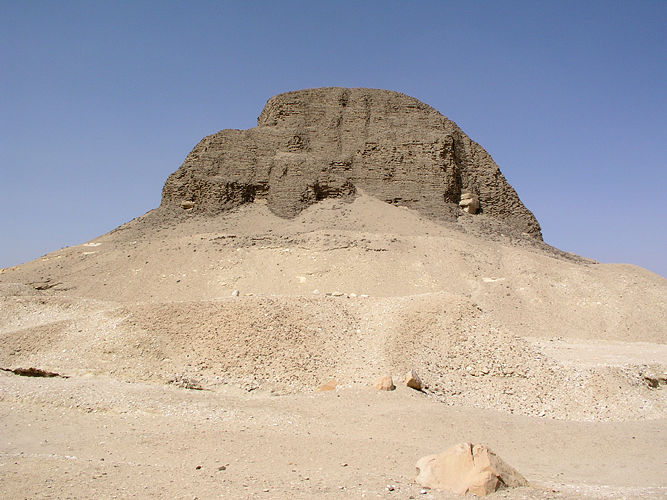
Regional characteristics
Across Mesopotamia, Anatolia, the Levant, Egypt, the Indus region and parts of Europe, societies were organized around towns and emerging states, with local elites controlling agriculture, craft production and trade. Egypt remained within the broad span of the Middle Kingdom traditions, while Mesopotamian city-states and trading networks persisted and adapted. In South Asia the mature Harappan urban system was entering a phase of transformation and regionalization rather than steady growth.
Technology, economy and culture
The century was defined by widespread use of bronze for tools, weapons and ornaments, sustained cereal agriculture supported by irrigation in river valleys, and literacy in administrative contexts using writing systems such as cuneiform and Egyptian hieroglyphs. Craft specialization, pottery styles, seals and standardized weights attest to complex economies and interregional exchange of raw materials like tin and copper.
Notable developments and movements
Archaeological evidence points to shifting settlement patterns in some regions, including the gradual decline or reorganization of large Harappan centers and renewed activity in Anatolian and Levantine trade stations. Population movements and the rise of new local elites in parts of the Near East contributed to political changes that would continue into the following centuries. Maritime and overland trade routes tied distant regions together through the exchange of metals, textiles and luxury goods.
How historians study this century
Understanding the 19th century BC relies on a mix of archaeological excavation, analysis of material culture (pottery, metalwork, seals), and texts where they survive. Chronological frameworks differ (often termed high, middle or low chronologies), so some events and ruler-dates are debated; scholars therefore describe regional trends more confidently than precise year-by-year histories.
Key themes
- Continuity and change within established Bronze Age civilizations.
- Expansion of craft specialization and long-distance trade networks.
- Regional political realignments and urban transformation.
- Reliance on archaeological evidence and careful chronological interpretation.
Overall, the 19th century BC is best seen as a transitional and connective era in the second millennium BC: one in which technological norms like bronze working and written administration remained central while local societies reorganized and new patterns of interaction emerged across Eurasia and North Africa.
Author
AlegsaOnline.com 19th century BC (1900–1801 BC): overview and context Leandro Alegsa
URL: https://en.alegsaonline.com/art/133593