
1993 Atlantic hurricane season
A below‑average Atlantic hurricane season: eight named storms, four hurricanes, and one major hurricane. Officially ran June 1–November 30, 1993, with an off‑season depression forming on May 31.
Overview
The 1993 Atlantic hurricane season was relatively quiet compared with long‑term activity in the basin. Officially the season encompassed the period from June 1 through November 30, although tropical cyclones can form outside those dates. In 1993 there were eight named storms, of which four strengthened into hurricanes and one reached major‑hurricane strength (Category 3 or higher on the Saffir–Simpson scale).
Image gallery
10 Images

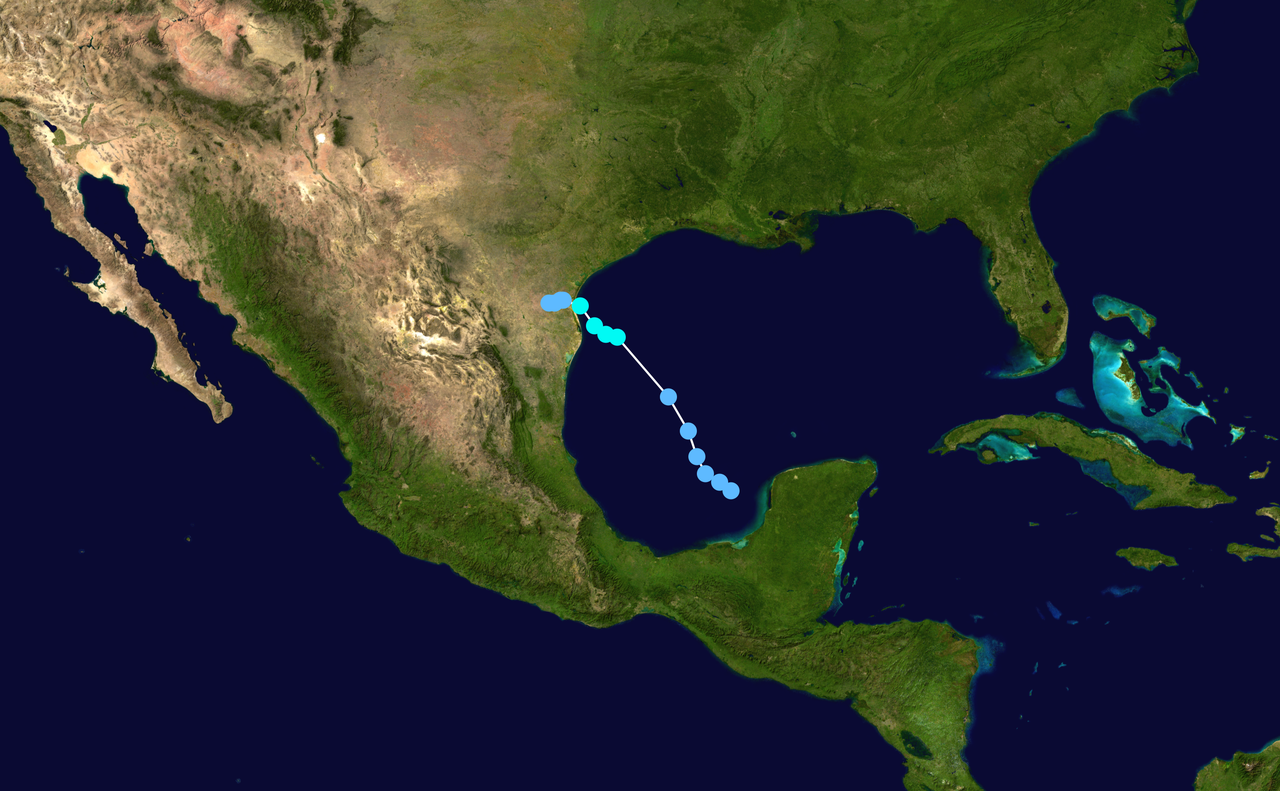

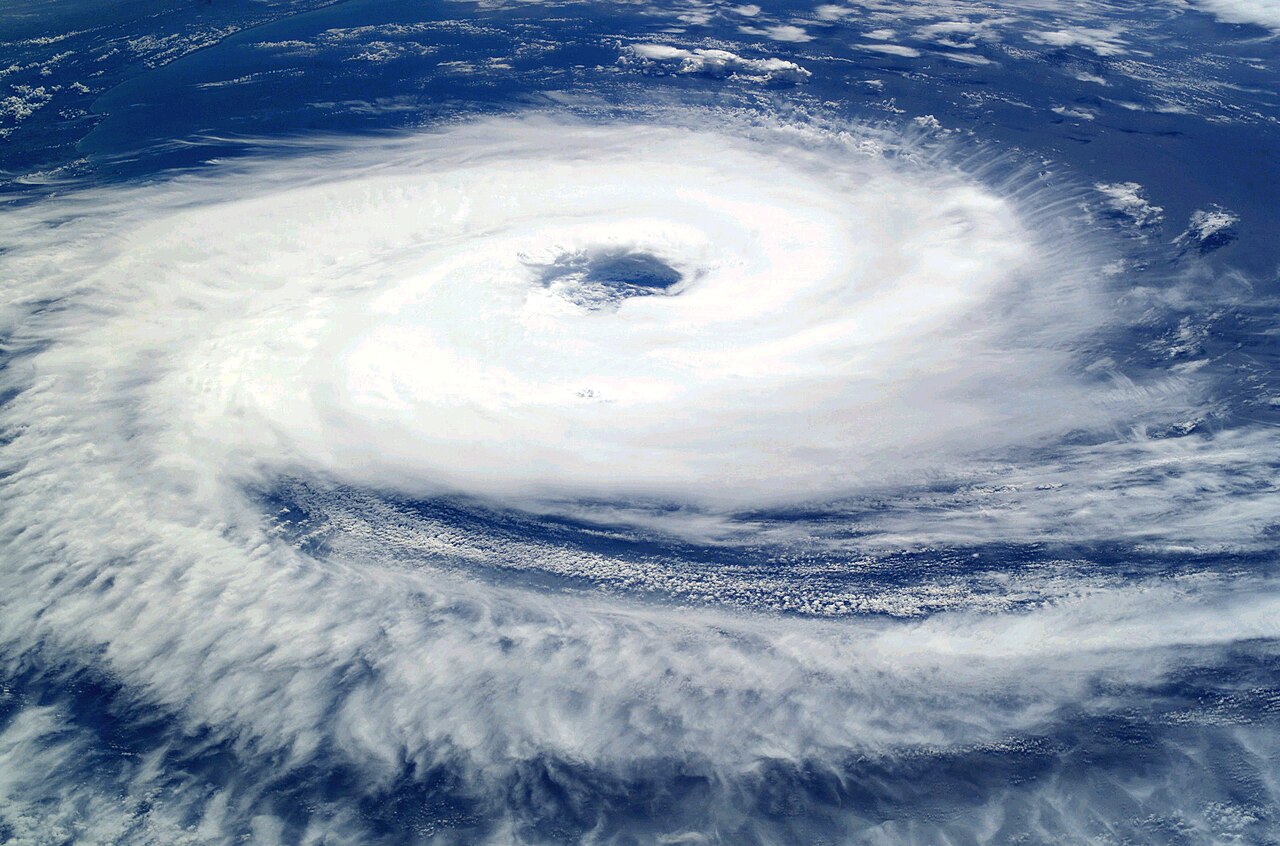

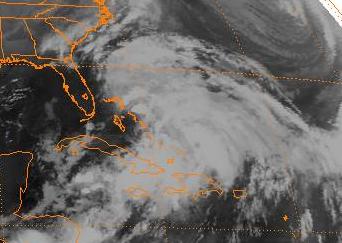


Timeline and notable points
Although the official season dates bracket the months when conditions are most favorable for development, the atmosphere does not follow a calendar. A precursor system developed on May 31, forming a tropical depression before the formal start; details about that early system can be found in official summaries and archives here. Annual reports and basin statistics for 1993 are maintained by meteorological agencies and are summarized in several public datasets 1993 season records.
Characteristics and classifications
Tropical cyclones are categorized by maximum sustained wind: a tropical depression has winds under tropical‑storm strength; a tropical storm receives a name when winds meet the naming threshold; a hurricane has sustained winds of at least 74 mph, and a major hurricane corresponds to Category 3 or higher. The 1993 season produced a modest mix of these intensities, with only one storm reaching major status.
Causes of below‑average activity
Seasons with reduced activity typically result from a combination of factors such as stronger vertical wind shear, drier air in the tropical Atlantic, and less extensive warm sea‑surface temperatures. Any of these can inhibit storm formation or limit strengthening. In a basin with natural variability, a quiet year still includes some organized systems and the potential for local impacts.
Impacts, preparedness, and significance
Even in seasons with few storms, a single cyclone can produce significant coastal flooding, wind damage, or rainfall inland. The 1993 season reinforced the importance of year‑round awareness: forecasts, watches, and warnings are the primary tools for reducing risk. Historical season summaries are used to refine seasonal forecasts and to place individual years in context of longer climate patterns official guidance.
Further reading and data
- Season summary and storm list: consult official basin summaries and archives 1993 summaries.
- Climatological context and definitions: see technical explanations of tropical cyclone categories and seasonal statistics seasonal definitions.
- Specific storm reports and post‑storm analyses: available in agency post‑event reports storm reports.
This overview emphasizes the basic facts and context of the 1993 Atlantic hurricane season without attempting to replace full technical reports and storm‑by‑storm analyses available from meteorological agencies and research institutions.
Author
AlegsaOnline.com 1993 Atlantic hurricane season Leandro Alegsa
URL: https://en.alegsaonline.com/art/133579