
1992 Formula One World Championship
Season summary of the 1992 Formula One World Championship: Nigel Mansell's dominant title, Williams' constructors' success, technical innovations and the season's lasting impact on F1.
Overview
The 1992 Formula One World Championship was the 43rd running of the FIA's premier open-wheel series. The season is best remembered for Nigel Mansell's commanding run to the drivers' title and for Williams securing the constructors' championship. The campaign highlighted the growing influence of advanced electronics and aerodynamic development on race performance.
Image gallery
9 Images


Teams, drivers and machinery
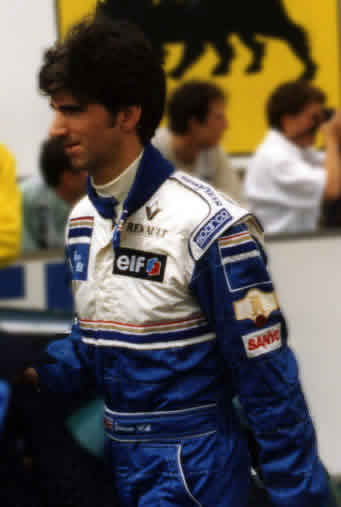
Williams arrived with a highly competitive package that combined a refined chassis with powerful engines and sophisticated electronic systems. Nigel Mansell, backed by an experienced teammate, led the team’s challenge. Other competitive outfits included Benetton and McLaren, each fielding cars and drivers that contributed to an intense and professionally run championship.
Technical developments
- Active suspension and electronics: Williams' car used advanced suspension and electronic aids which improved handling and stability, particularly on varying circuits.
- Aerodynamics: Teams continued to refine wings and bodywork to extract more downforce without incurring excessive drag.
- Reliability and strategy: As electronics became more complex, teams balanced performance gains with reliability challenges across a long season.
Season narrative and significance
Nigel Mansell's performances stood out: he converted the Williams package into consistent race wins and high finishes that brought him the drivers' crown. Williams matched that success at team level to capture the constructors' title. While a few rival teams and drivers scored notable results, the 1992 season is widely regarded as an example of a team exploiting a technical advantage to dominate both championships.
Legacy and notable facts
The 1992 season reinforced the importance of integrated car design — chassis, engine and electronics — in modern Grand Prix racing. Nigel Mansell's championship year is frequently cited when discussing driver skill allied to technological leadership; see more on his career at Nigel Mansell. Williams' success that year also influenced how other teams approached development in subsequent seasons, accelerating the adoption of sophisticated suspension and electronic control systems until regulations later limited some driver aids.
Overall, the 1992 championship remains an important chapter in F1 history: a clear demonstration of how innovation, when effectively applied, can translate into decisive on-track superiority and lasting changes in the sport's technical direction.
Author
AlegsaOnline.com 1992 Formula One World Championship Leandro Alegsa
URL: https://en.alegsaonline.com/art/133577