
1987 Formula One World Championship: season overview and legacy
Summary of the 1987 Formula One World Championship: its context in the turbo era, leading teams and drivers, the close title fight won by Nelson Piquet, technical features, and lasting significance.
Overview
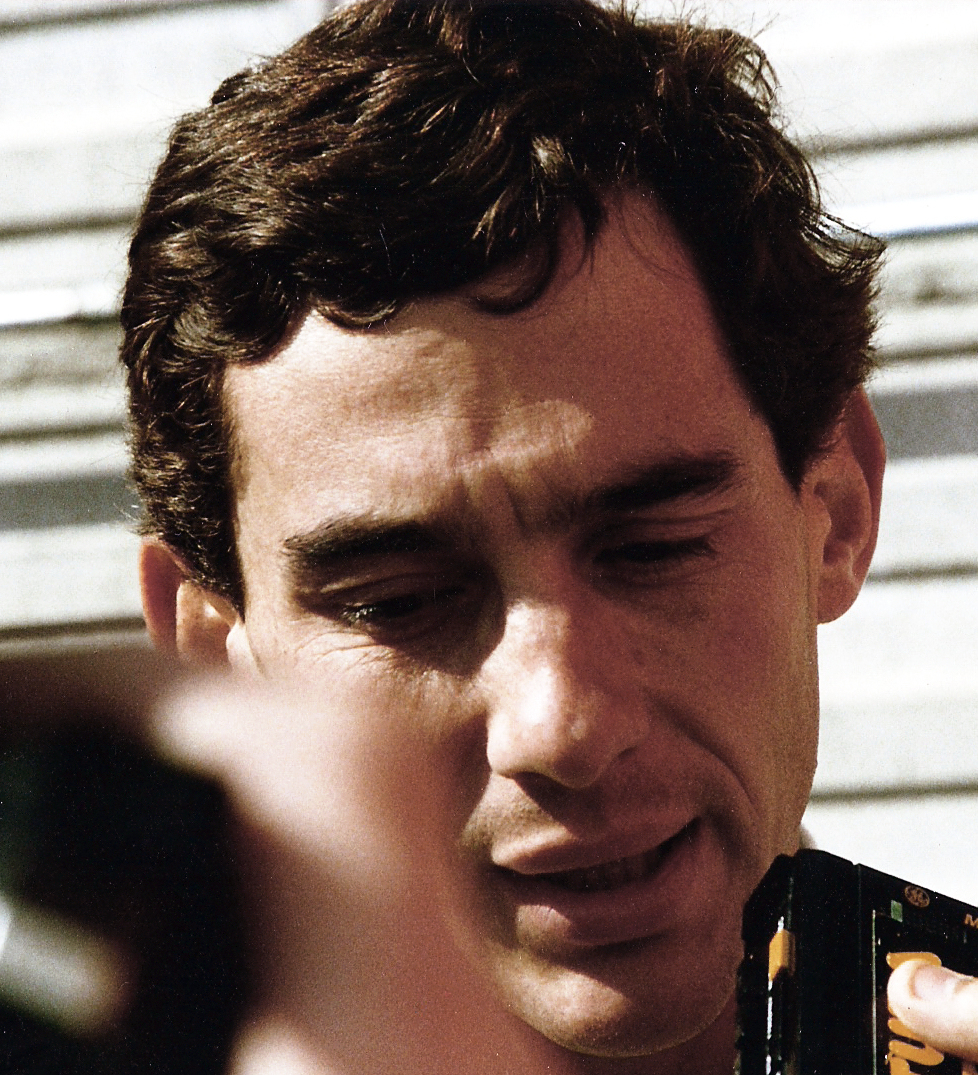
The 1987 Formula One World Championship was contested during the closing phase of the turbo era and is remembered for a tightly fought drivers' title and strong team performances. The championship was won by Nelson Piquet, who secured the drivers' crown in a season characterized by rapid cars, strategic development, and intense rivalry among top teams.
Image gallery
6 Images


Technical context and characteristics
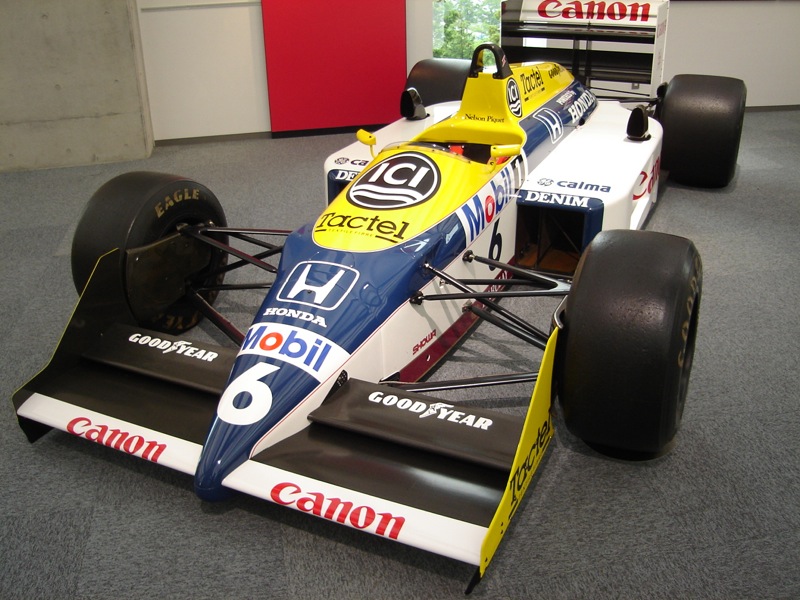
Cars in this period commonly used turbocharged engines, producing very high power outputs and driving an arms race in engine and aerodynamic development. Teams balanced raw engine performance with evolving ground-effect and wing designs. Reliability, fuel management and qualifying performance were all decisive factors during race weekends.
Principal teams and drivers
Several works and privateer teams contested the title, with some of the most prominent entries fielding experienced race winners and rising talents. Key competitors included:
- Williams – a leading team that combined a competitive chassis with strong engine support.
- McLaren and their established drivers, who were perennial contenders at the front.
- Lotus, Ferrari and others, each contributing to a varied grid and occasional surprise results.
Season narrative and notable themes
The championship developed as a close battle, with multiple drivers taking race victories and neither dominance nor margin allowing the title to be decided early. Racecraft, strategy and consistency under pressure played large roles; mechanical issues and pit tactics influenced the outcome on several occasions. The title fight illustrated how team dynamics—particularly between team-mates—and race-to-race development could determine a championship.
Legacy and significance
The season is often cited as an example of the late-turbo era's intensity and technological extremes. It bolstered the reputations of those involved, influenced subsequent car development, and contributed to ongoing regulatory discussions that eventually led to major changes in engine and aerodynamic rules. The close finish remains a notable chapter in the history of the sport.
Further reading
For more on the drivers and teams from this season, contemporary race reports and archival resources provide detailed results, race-by-race analysis and photographs documenting the cars and circuits of the period.
Author
AlegsaOnline.com 1987 Formula One World Championship: season overview and legacy Leandro Alegsa
URL: https://en.alegsaonline.com/art/133564