
1981 Formula One World Championship
Overview of the 1981 Formula One World Championship: Nelson Piquet's first title, season context, leading teams and drivers, technical trends, and the championship's significance.
Overview
The 1981 Formula One World Championship was the 32nd running of the official drivers' title. It produced a tight, competitive season that culminated in Nelson Piquet securing the drivers' crown in what is remembered as his first world championship. Races were contested across multiple continents and the outcome was decided only after a sustained points battle among several teams and drivers.
Image gallery
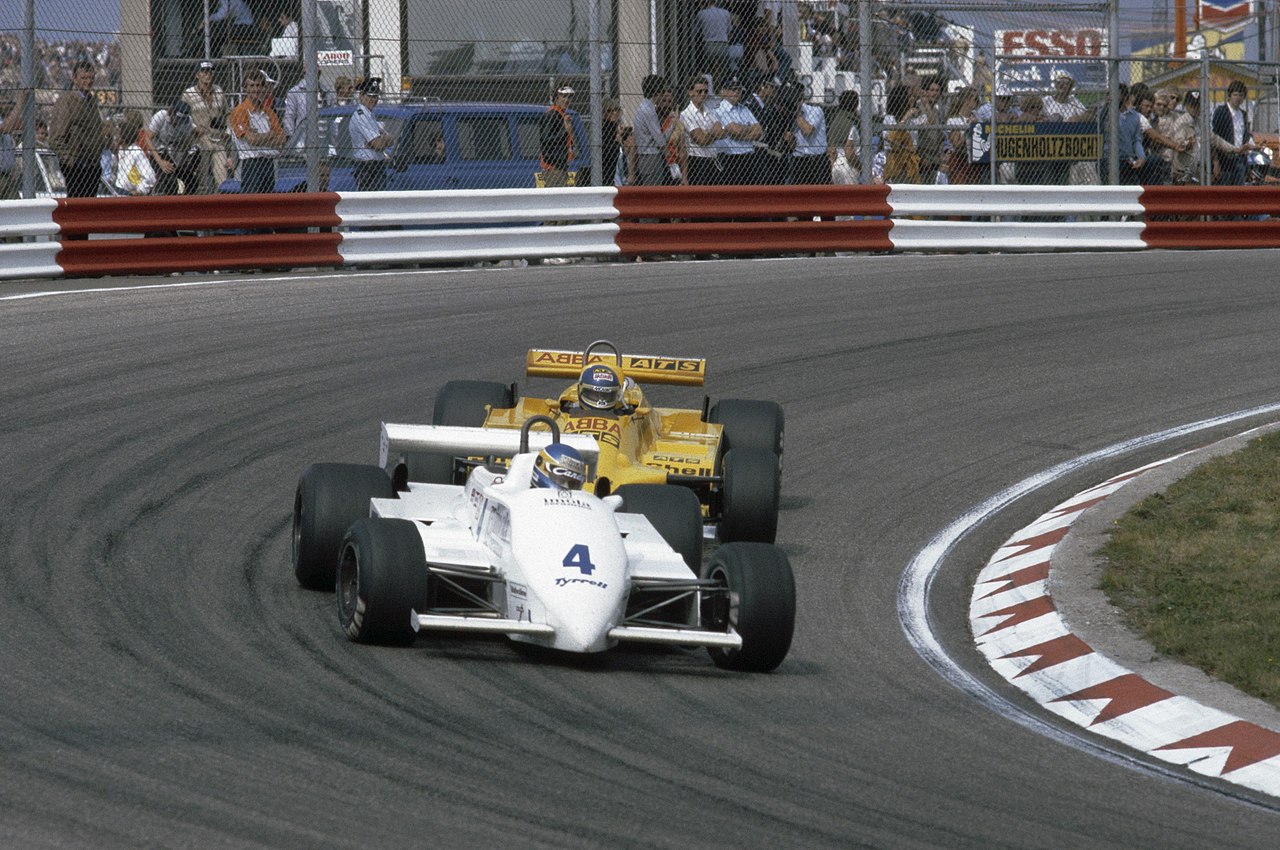
10 Images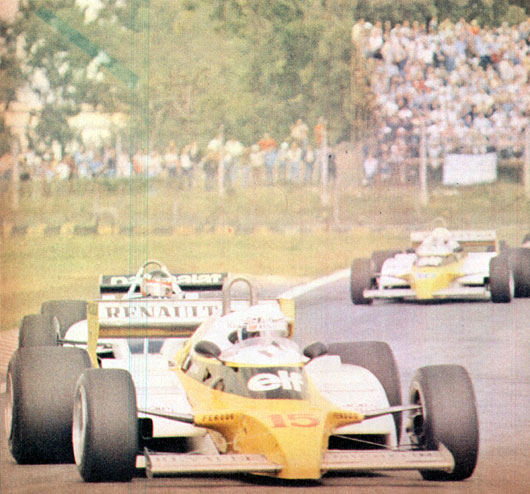



Technical and sporting context
The year sat in a transitional era of grand prix design: ground-effect aerodynamics remained central to car performance while turbocharged engines were beginning to assert themselves as a competitive alternative to conventional naturally aspirated powerplants. Teams experimented with chassis and aerodynamic solutions to gain marginal advantages, and race strategy, reliability and driver consistency all proved decisive across the season.
Teams and rivals
Established constructors competed with familiar line-ups. Brabham emerged with a championship-winning effort, and drivers from teams such as Williams, Ferrari, Renault, McLaren and Lotus were regularly in contention. Drivers including Carlos Reutemann and Alan Jones were among Piquet's principal rivals in a season notable for close point margins and multiple race winners.
Championship progression and significance
The championship unfolded over a sequence of Grands Prix in which podium positions and accumulated points determined the final standings. Races produced a variety of winners and showcased both driver skill and mechanical development. Piquet's title marked the arrival of a new multiple-time world champion and helped to raise his reputation within the sport.
Notable aspects and legacy
- Competitive balance: A small group of drivers and teams exchanged victories, keeping the championship tightly contested.
- Technical evolution: The season reflected ongoing changes in aerodynamics and engine technology that would influence subsequent years.
- Career impact: The title launched or consolidated the leading status of its winner—see Nelson Piquet for more on his career.
Overall, the 1981 championship is remembered for its closely fought title race, the interplay between emerging technologies and driving talent, and its role in shaping the early 1980s era of Formula One.
Author
AlegsaOnline.com 1981 Formula One World Championship Leandro Alegsa
URL: https://en.alegsaonline.com/art/133553