
1973 Atlantic hurricane season
A relatively quiet Atlantic hurricane season that ran from June 1 to November 30, 1973, with few notable storms and limited landfall impacts compared with more active years.
Overview
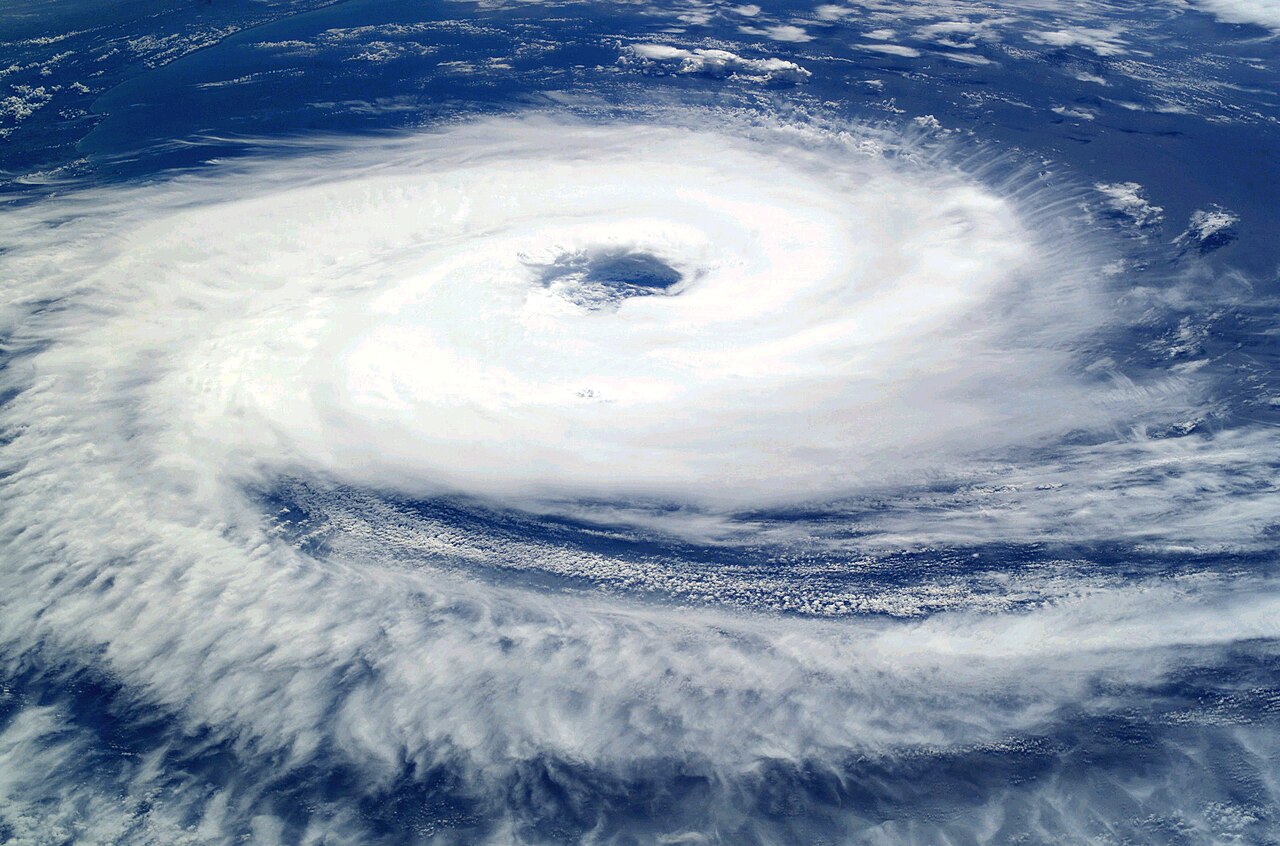
The 1973 Atlantic hurricane season was a relatively inactive period in the basin's recorded history. The season followed the conventional Atlantic window for tropical cyclone formation and produced fewer headline-making storms than more active years. Contemporary summaries describe it as quiet, with little widespread destruction compared with major seasons of the 20th century.
Image gallery
10 Images






Dates and temporal pattern
The season officially began on June 1, 1973, and ended on November 30. As with many seasons, some weak disturbances — including possible tropical depressions — may have formed shortly before the official start date; historical records suggest up to four short-lived systems developed prior to June but did not grow into widely recognized storms.
Characteristics and meteorology
Several factors differentiate a quiet season from an active one. In quieter years the large-scale environment typically features stronger vertical wind shear, drier mid-level air, or atmospheric patterns that hinder the development of organized convection. Tropical cyclones that did form in 1973 tended to be short-lived or remained over open water, limiting both their development and the opportunities for landfall.
Impacts and examples
- There were no storms during this season that became broadly famous or catastrophic on the scale of major hurricanes in other years.
- Impacts were generally limited, with fewer significant coastal strikes and lower overall damages reported than in active seasons.
Significance and context
Although lacking dramatic events, a quiet season like 1973 is of meteorological interest because it helps researchers understand the atmospheric conditions that suppress tropical cyclone formation. Analyses of such seasons contribute to improved seasonal forecasting and to distinguishing natural variability from longer-term trends in tropical cyclone activity.
Notable facts
Historical notes on 1973 emphasize its comparative calm rather than memorable storms. Records from the period are used alongside later reanalyses to refine the historical hurricane database and to clarify whether brief early-season depressions were truly tropical in nature.
Author
AlegsaOnline.com 1973 Atlantic hurricane season Leandro Alegsa
URL: https://en.alegsaonline.com/art/133538