
1958 Atlantic hurricane season
The 1958 Atlantic hurricane season produced ten named storms and one pre-season tropical depression. It occurred in the pre-satellite era, relying on ship and aircraft reconnaissance to detect and track systems.
Overview
The 1958 Atlantic hurricane season produced ten named tropical storms and included one pre-season tropical depression. As with other mid‑20th‑century seasons, it unfolded before meteorological satellites were available, so detection and tracking depended largely on ships, land observations and aircraft reconnaissance. The season followed the familiar annual pattern: activity rose through August and peaked in September before declining into autumn.
Image gallery
10 Images
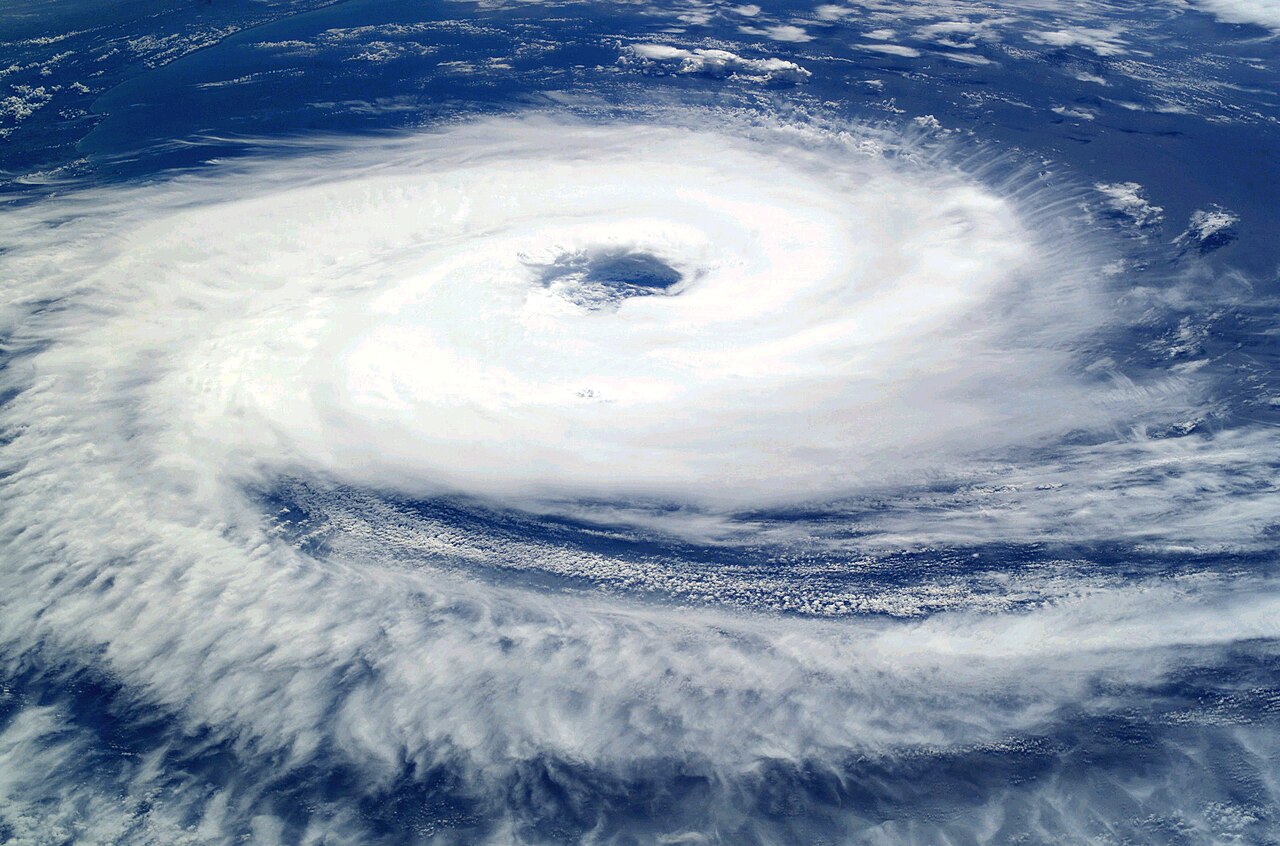


Characteristics and formation
Storms in the 1958 season developed from the same climatological mechanisms that drive Atlantic tropical activity: African easterly waves, warm sea surface temperatures, and favorable upper‑level wind patterns. Some systems formed in the open Atlantic and remained maritime, while others moved toward the Caribbean, Gulf of Mexico or the eastern seaboard of the United States, posing threats to coastal areas.
Meteorology and observation
Because this season occurred before routine satellite imagery, weather services relied on ship reports, coastal radar, radiosonde data and aircraft reconnaissance to confirm and follow disturbances. Reconnaissance flights were especially important for locating centers and estimating intensities. These methods improved storm warnings compared with earlier decades, but many short‑lived or ocean‑confined systems could still go undetected.
Impacts and importance
Several storms during the season affected populated areas, generating coastal hazards such as high surf, beach erosion and heavy rain. Even storms that did not make direct landfall could disrupt shipping and cause localized flooding. The season contributed to ongoing improvements in forecasting practice and public warning systems during the 1950s.
Notable distinctions
Key contextual points for the 1958 season include the use of female personal names for tropical storms (the practice adopted in the Atlantic in the early 1950s), the reliance on reconnaissance aircraft for intensity estimates, and the broader limitation that many storms remained under‑observed without satellite coverage. The season is one example of the mid‑century transition in hurricane monitoring that paved the way for the satellite era.
Further context
When evaluating historical hurricane seasons like 1958, researchers consider not only storm counts but also observational capability and reporting practices of the time. Reanalysis efforts in later decades have sometimes revised historical records as additional data and methods became available, underscoring that pre‑satellite seasons require careful interpretation.
Author
AlegsaOnline.com 1958 Atlantic hurricane season Leandro Alegsa
URL: https://en.alegsaonline.com/art/133520