
1910 Atlantic hurricane season
A concise account of the unusually quiet 1910 Atlantic hurricane season, when only five tropical storms were recorded, and the historical limitations that shaped the record.
Overview
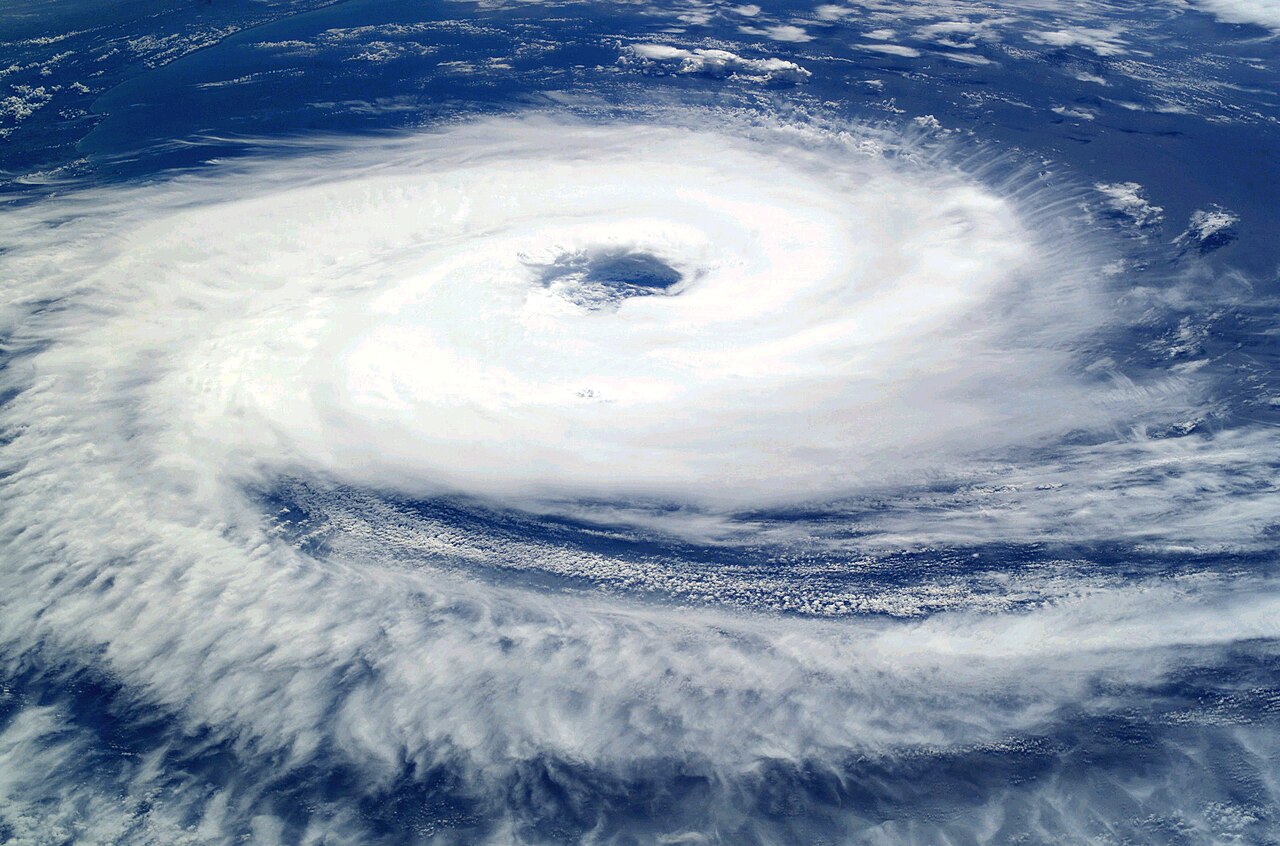
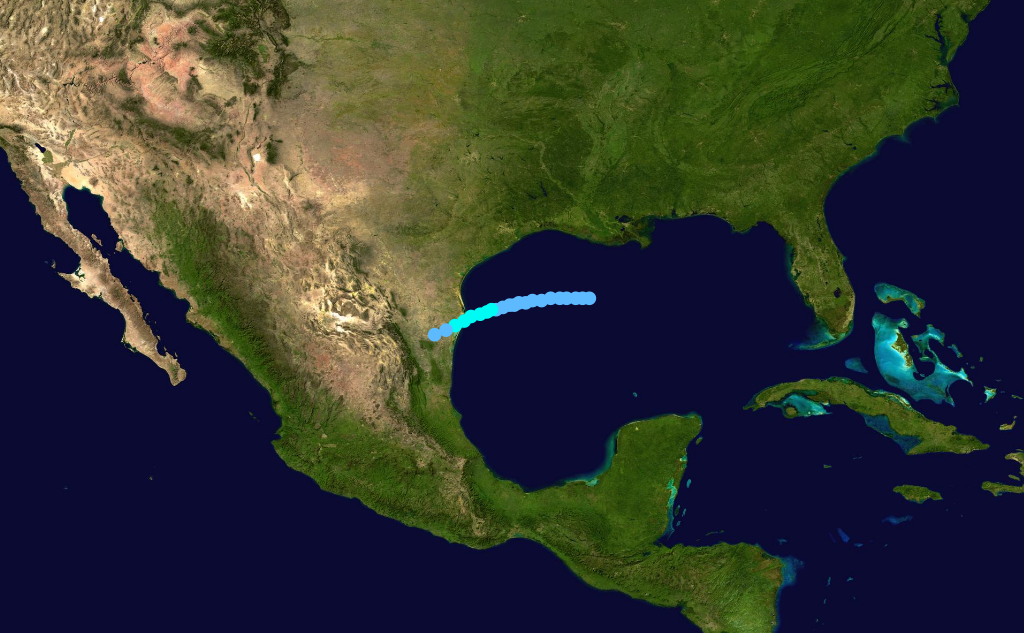
The 1910 Atlantic hurricane season took place during the customary warm months of the year and is remembered as a quiet season: contemporary records list only five tropical storms. These systems developed during the summer and the early autumn, the period when sea surface temperatures and atmospheric conditions most commonly support tropical cyclone formation in the Atlantic basin.
Image gallery
10 Images





Characteristics and observational limits
Storm detection in 1910 depended on ship reports, coastal weather stations and telegraphed news. There were no satellites, aircraft reconnaissance, or modern remote-sensing tools, so weaker or short-lived storms that formed far from shipping lanes often went unnoticed. The surviving logs and weather maps from 1910 therefore reflect both genuine meteorological inactivity and the observational limitations of the era.
Recordkeeping and reanalysis
Because storm naming was not practiced and records were sparse, early-twentieth-century seasons have been re-examined by later researchers using archived observations. Such reanalysis can adjust counts and intensities when additional evidence is found, but for 1910 the consensus remains that only five tropical cyclones were reliably documented in the Atlantic basin for that year.
Impacts and examples
Most of the systems recorded in 1910 stayed over open water, posing hazards primarily to shipping through heavy seas and squalls. When storms approached land they could produce strong winds, coastal surge, and localized flooding, as modern hurricanes do; however, the historical reports from 1910 show relatively limited and localized impacts compared with more active seasons.
Notable facts and context
- The low count for 1910 contrasts with modern multi-decade averages, which record significantly more named storms per year.
- Undercount bias is common in pre-satellite records: many early storms were missed if they did not affect ships or coasts.
- Technological advances since 1910—radar, aircraft reconnaissance and satellites—have greatly improved detection, tracking and intensity estimates.
In short, the 1910 season stands out as subdued in the historical record. Its primary relevance today lies in illustrating how observational capabilities influence our understanding of past tropical cyclone activity and why historical counts are interpreted cautiously by climatologists and meteorologists.
Author
AlegsaOnline.com 1910 Atlantic hurricane season Leandro Alegsa
URL: https://en.alegsaonline.com/art/133507